
Random Thoughts
I can talk about anything. I often write about running shoes here, but I cover a wide range of running topics. Sometimes I take it more seriously, and sometimes I’m just messing around. You’ll find all sorts of things here, like running trivia, analyses, a few words about health, clothing, electronics, books, and a little bit more.
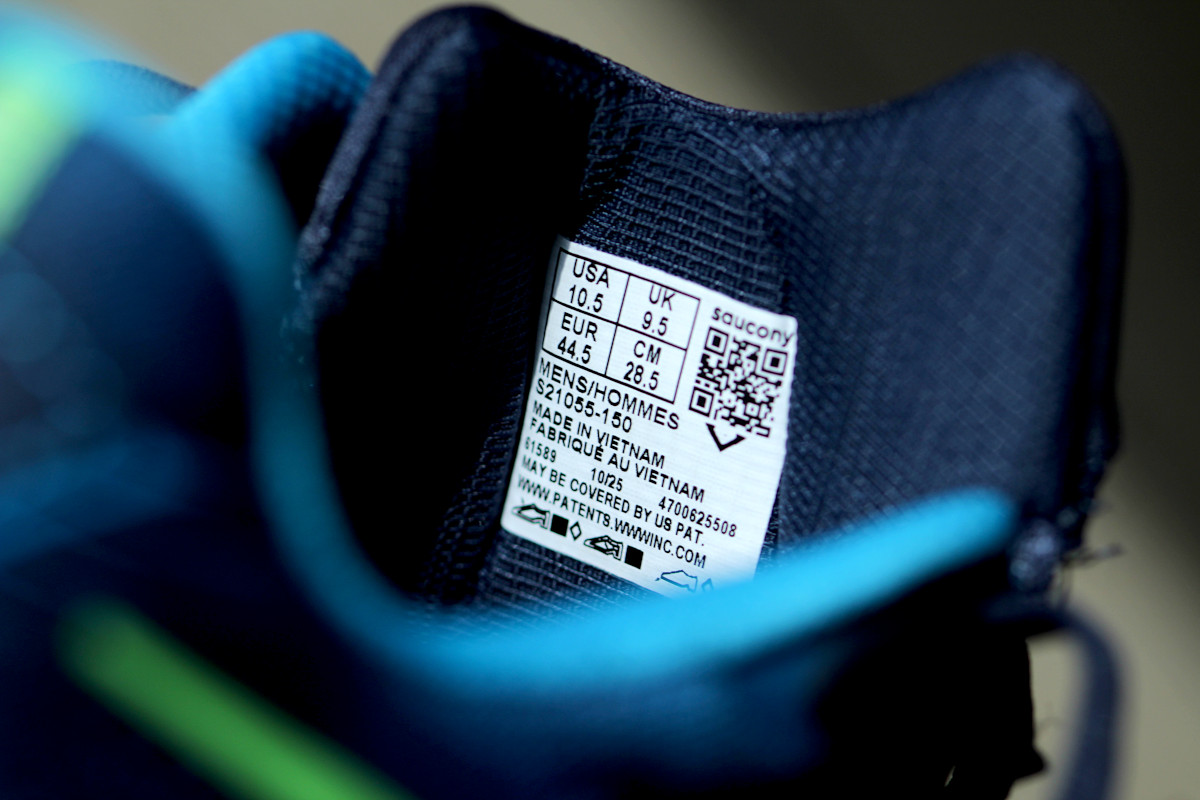
I run in shoes ranging from size 45.5 to 47.5. And no, I don’t just buy random sizes. They all fit me well. Sounds absurd? Only at first glance. This perfectly illustrates just how far European sizing for running shoes can be from reality.

Many runners assume that the faster they train, the faster they’ll improve their times. In practice, the opposite is often true. Paradoxically, slowing down during most workouts may be the easiest way to set a new personal best and… run faster. Here are six reasons why it’s worth taking your foot off the gas sometimes.

Are you just starting to run and don’t understand half the conversations in running groups? Someone posts a “personal best,” talks about “warming up” or “running in the red,” and you’re wondering what it all means? Don’t worry. The world of running, like any other, has its own language. Some terms come from sports training. Others are typical runner slang. Below you’ll find a practical running glossary for beginners. Short, to the point, and without unnecessary complications.

There are days when running feels easy and natural, and days when even putting on your shoes feels hard. Those tougher days often determine whether you develop a habit or give up. Some runners stick to their plan no matter what, while others skip the workout entirely. But there’s a third option: just go out, even if it’s a short run. Instead of ten kilometers, run two or three. It still counts as a run. Simple often works best.

If you run regularly, sooner or later you’ll come across a running singlet – a technical tank top shirt. It’s the simplest and lightest form of running apparel. Minimal fabric. Maximum functionality. At first glance, it looks unassuming. Many runners skip it at the start. Until their first training session in the heat or a faster race. A running singlet isn’t just a matter of style. It’s a real improvement in comfort. Better ventilation. Less overheating. Greater freedom of movement. In practice – you can run longer and faster under the same conditions.

A marathon isn’t just about physical fitness. It’s the sum of your decisions. You can be 100% prepared. Your plan is set. Your training is done. And then you still mess it up. With a single decision. With a single “oh, I’ll give it a try.” I’ve done that too. I’ve also ruined my own marathon by my own choice. Here are five situations from the course. These cost me time or energy. These are lessons that would have been better to learn during training, not during a crucial race.

Mountain ultras are where chaos costs the most – time, energy, and your head. Instead of improvising, it pays to show up with a clear plan and a proven checklist. This guide keeps everything structured: from pre-race prep, through gear and drop bags, to execution on the course. Go through it once in advance, and on race day you can focus on running.

Most runners focus solely on results and personal bests. Then, they wonder why their motivation disappears at the start. The problem is rarely a lack of willpower; it often stems from the wrong approach to the goal. In this article, I will explain why the traditional SMART method only works temporarily and how external goals differ from internal ones. You will learn how to set goals that will help you maintain your running habit for years to come. This perspective may change the way you think about training.

According to Murphy’s most famous law, if something can go wrong, it will eventually go wrong. It’s a half-joke, half-observation of life. It works surprisingly often. You can see it in large projects, office work, and completely ordinary activities, such as morning hygiene routines. Running is no exception. Based on my experience with training and competitions, I decided to examine how Murphy’s laws apply to our sport. It turns out that runners encounter these laws more often than they would like to admit.

Autumn and winter are times when your motivation to run is put to the test. Temperatures drop, days get shorter and the dampness and rain can make you reluctant to leave the house. That’s when the familiar excuses start to appear. “It’s too cold.” It’s too dark. “I don’t have the right shoes for winter.” I’m afraid I’ll get sick.” Sound familiar? In this article, I examine the most common excuses that arise in the fall and winter, determining how much truth there is to them and how much they are just convenient excuses to skip training.

How much weight do your feet really bear when you run? Every run involves thousands of repetitive movements that accumulate load. In this article, I perform some simple calculations using three hypothetical runners of different weights. I examine how many kilograms pass through their feet at various distances. From short runs to long runs. No complicated formulas necessary. The numbers are truly impressive.
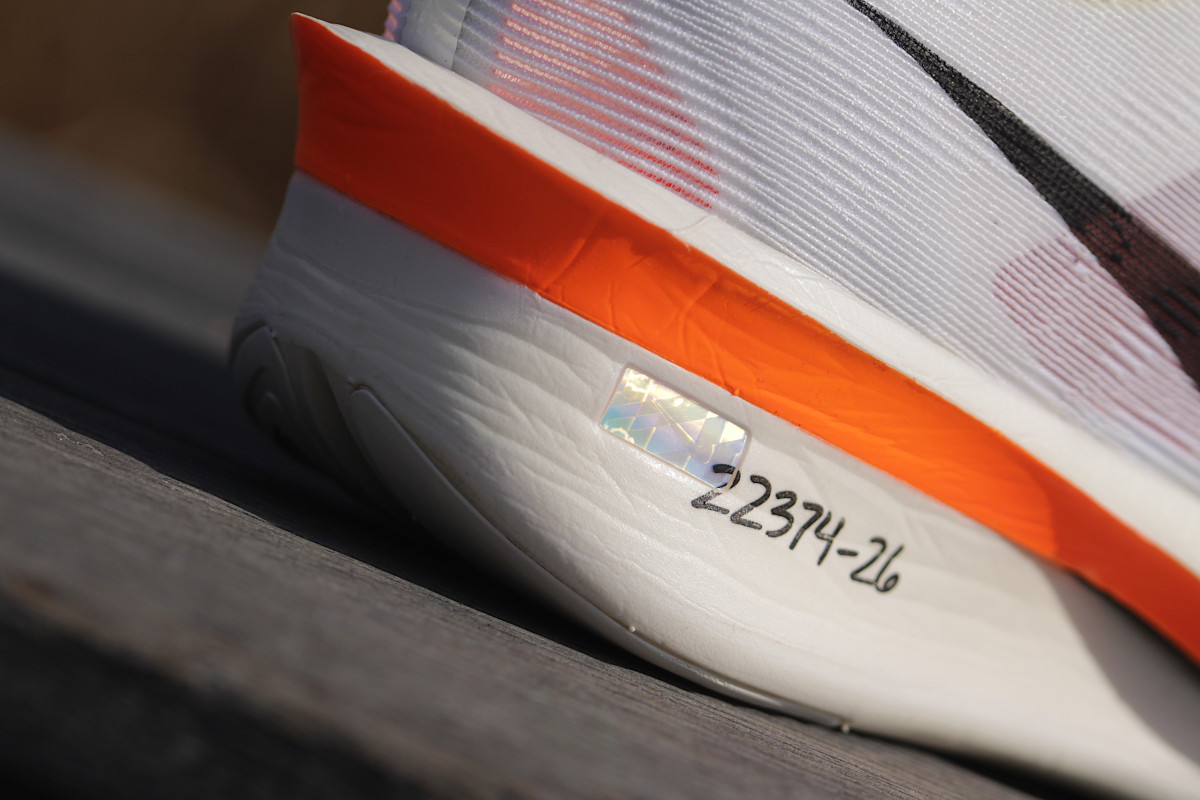
Running shoes are technologically advanced footwear designed to support the foot during intense movement. Their construction takes into account various elements such as the outsole, midsole and insole, which together provide cushioning, traction and stability. The upper and its components, in turn, affect comfort and convenience. Each of these elements can and does affect the characteristics of the shoe and can improve comfort and training effectiveness. What are these elements?

“Where there’s failure, there’s an excuse” – runners have mastered this to perfection. Especially when the finishing time is far from what they dreamed of at night. A list of reasons? An entire encyclopedia! Everyone who takes part in competitions has at least a few of them to their name. Here are the greatest classics – excuses that you have probably used yourself after a failed start. And if not? Don’t worry, everything is still ahead of you!

When were the first running shoes made? It is difficult to say, but the history of the brands that produce them goes back over 100 years. Which was the first? Which were made together? Which was the first to introduce EVA foam shoes and what were the other key moments in the history of running shoes as we know them today?
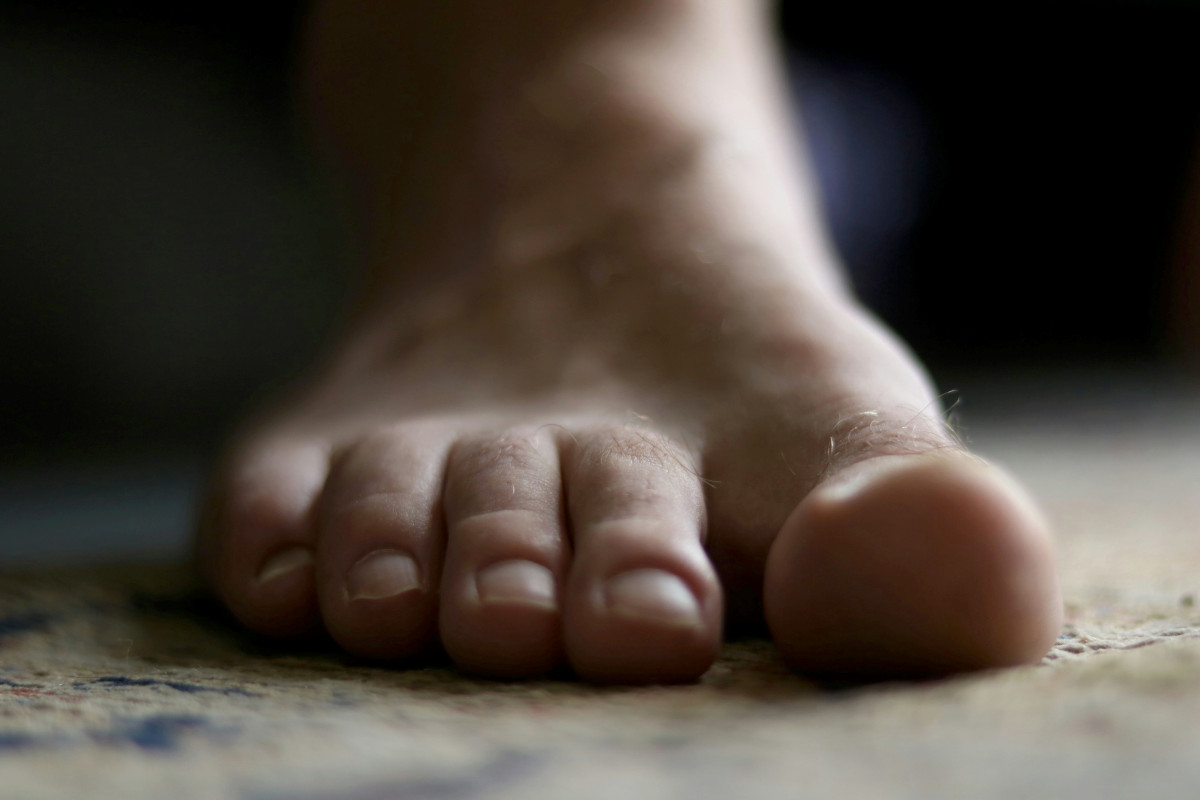
Without feet, we would not be able to stand, walk or run. Although these are relatively small parts of our body, they support its entire weight. If we take a closer look at them, we will notice that they have an extremely complex construction. Using both my own knowledge and the Internet, I have collected some interesting facts about our feet, which show how extraordinary our feet are and how much we owe them.

Asics, Nike, Altra, Saucony… each of these names and their associated logos has its own history, some more significant than others. Some are better known, others less so. Some names are based on stories or acronyms, others are named after manufacturers or… rivers. The same goes for logos, which often refer to characteristics with which the brand wants to be associated.