
Running Shoes
Running shoes are a runner’s basic equipment. It is often said that you can save on clothing and other accessories, but not on shoes. It pays to know which running shoes to choose. Training shoes for easy everyday running, trail shoes for off-road running, or racing shoes for fast training sessions and competitions.
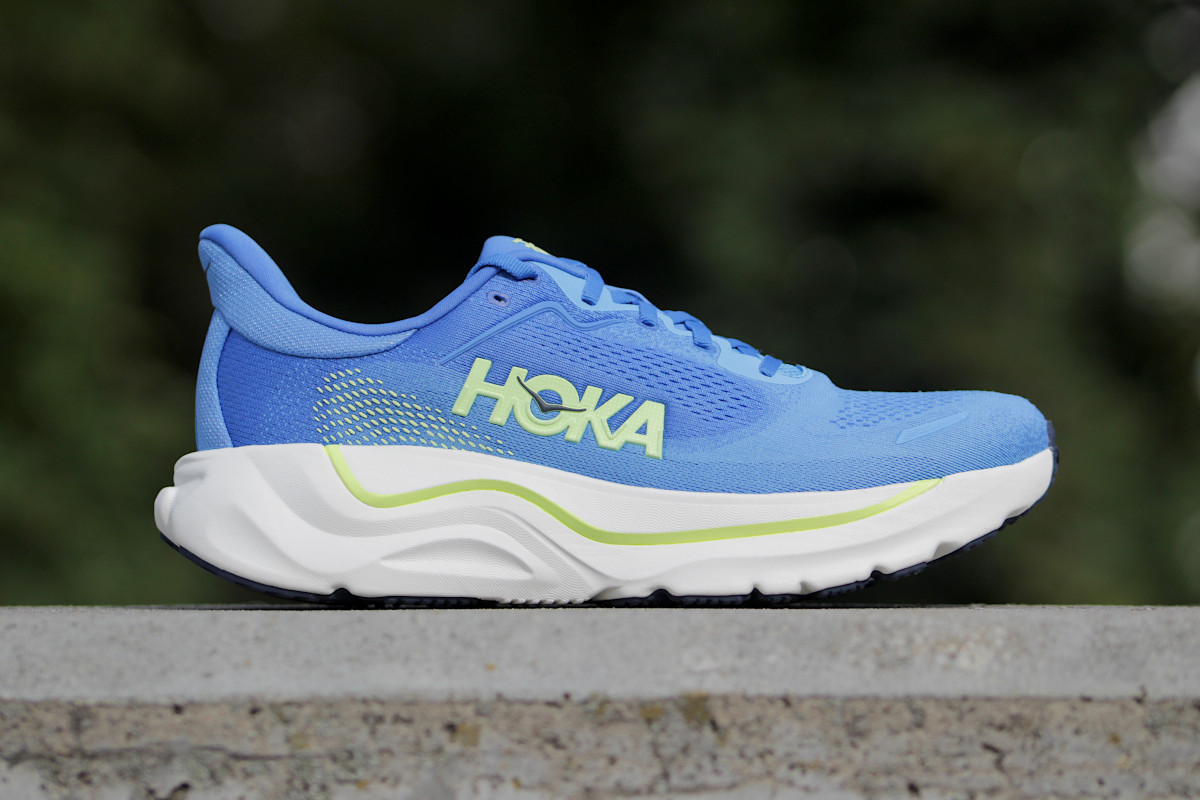
The Hoka Arahi 9 is the latest edition of one of the most recognizable stability models in Hoka’s lineup. For this generation, the producer opted not for a revolution but for a very subtle evolution. Underfoot, you’ll find the same, well-known construction concept, and the changes mainly concern the upper and fit. However, these aren’t major changes. If you enjoyed running in the “8s,” you’ll feel almost right at home here.
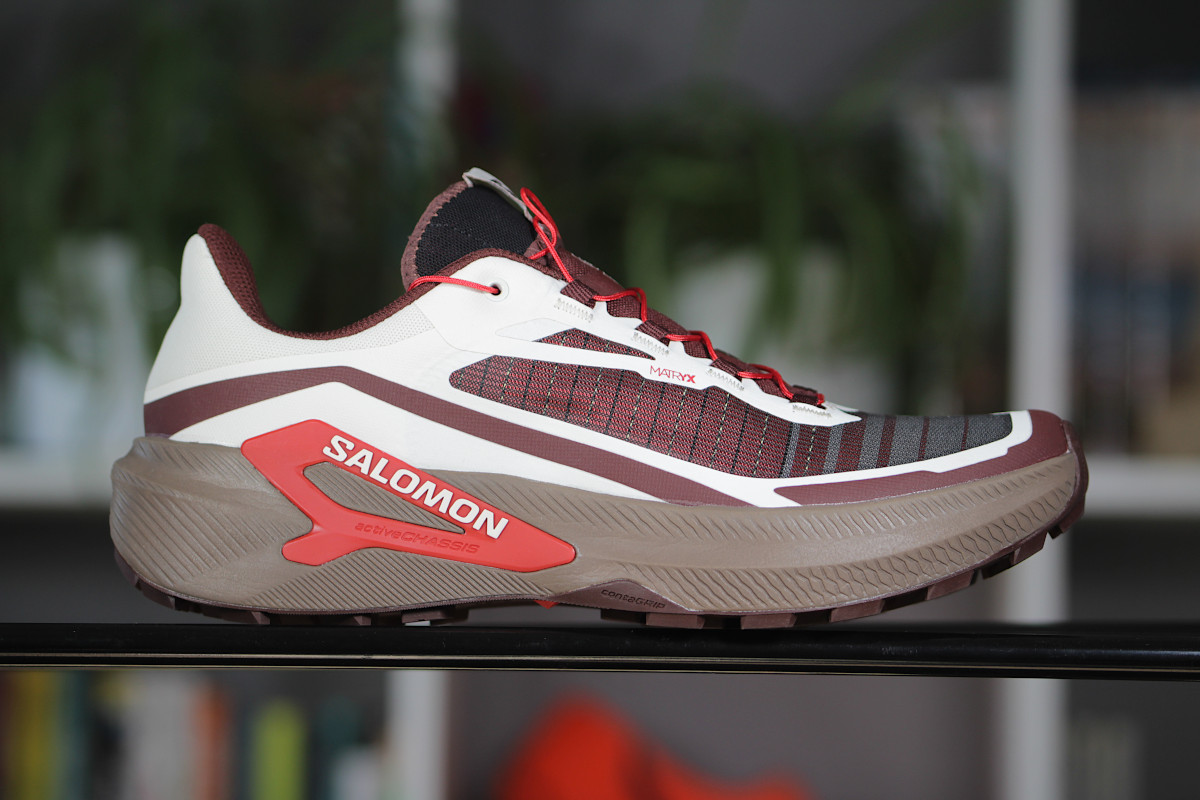
The Salomon Genesis 2 is a trail running shoe that prioritizes stability, control, and secure foot placement over maximum softness and cushioning. It’s best suited for shorter, technical trails where a good feel for the ground and precision on uneven sections are key. It’s a fairly stiff construction, but this provides a lot of control and works well when the trail demands extra attention. The Genesis 2 thus offers a different approach to the modern trail running shoe—instead of pampering the runner with softness, it gives them greater control over what’s happening underfoot.
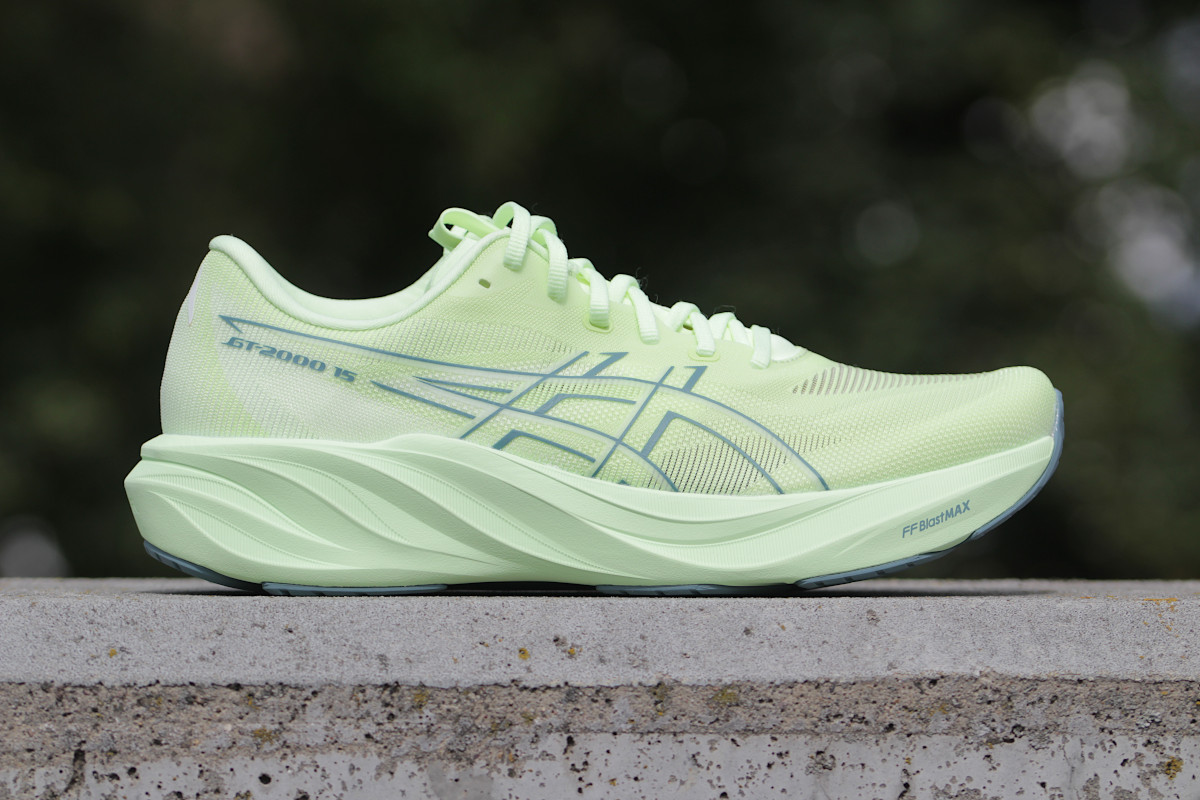
The Asics GT-2000 15 is a shoe for runners who need stability but don’t want to run in a heavy, clunky shoe. The new version combines a higher sole with a lighter construction and FF Blast MAX foam, and foot guidance is provided primarily by the shoe’s geometry rather than very stiff elements in the sole. The result is a well-cushioned, stable shoe for everyday running that retains quite a bit of freedom and performance.
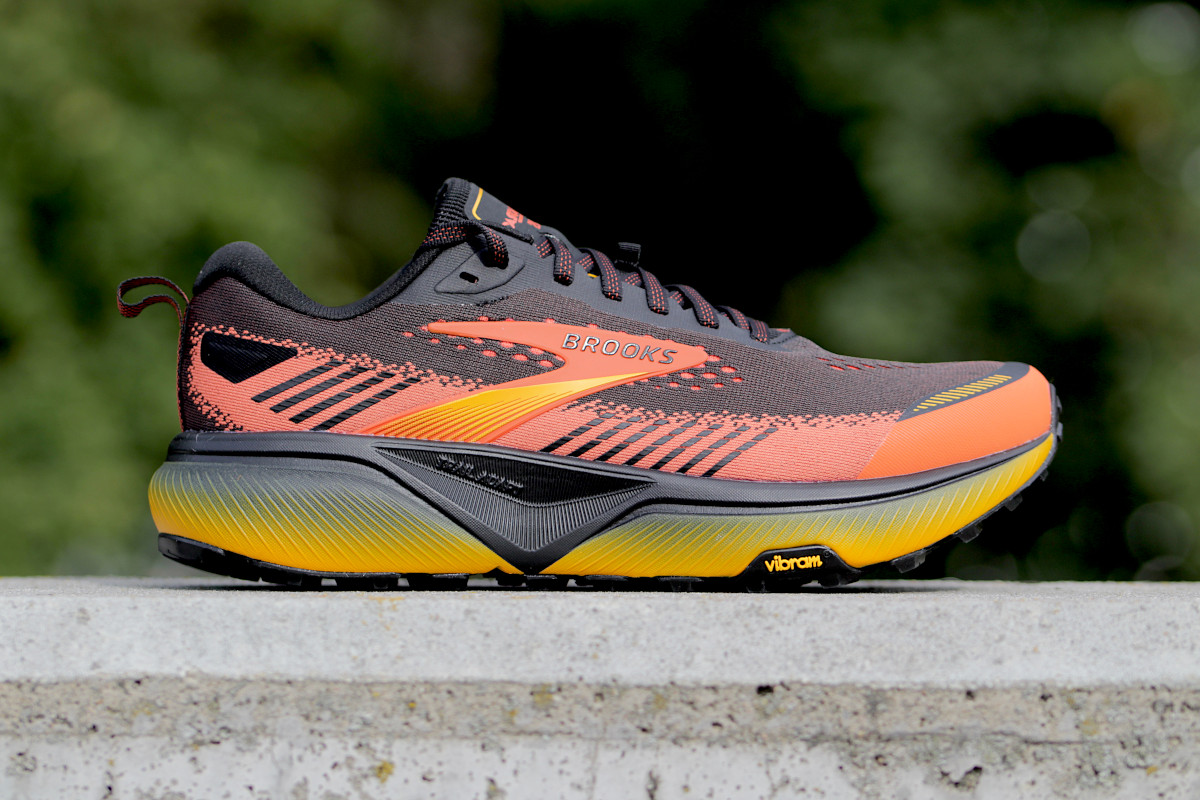
The Brooks Cascadia 20 is the latest iteration of one of the most recognizable trail running shoes on the market. This time, the changes are more significant than a simple generational update would suggest. Brooks has raised the platform, incorporated the new DNA FLASH v2 foam, and – for the first time in the model’s history – has opted for a Vibram Megagrip outsole. The result is more cushioning, better traction, and a more modern feel while running. At the same time, the Cascadia 20 retains its most important strength – a stable and predictable construction built to tackle a variety of trails.
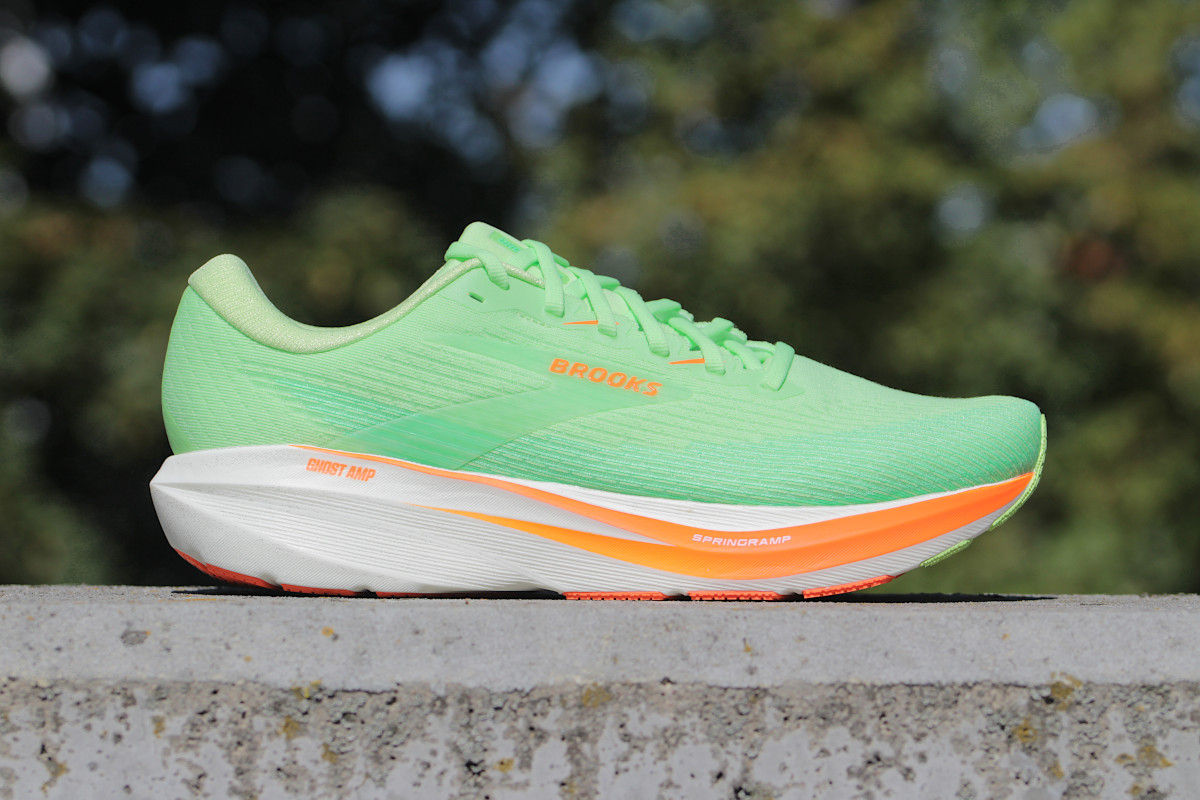
The Brooks Ghost AMP is a new, more dynamic version of Brooks’ popular training shoe. Instead of the classic Ghost characteristics, we get lightweight and springy DNA HYPE foam, a lower 6-millimeter drop, and SpringRamp geometry, which is designed to facilitate a faster roll and push-off. It’s still a versatile training shoe, but its character has shifted toward faster running. We’re checking to see if the Ghost AMP is truly the right choice for those who find the usual Ghost too conservative.
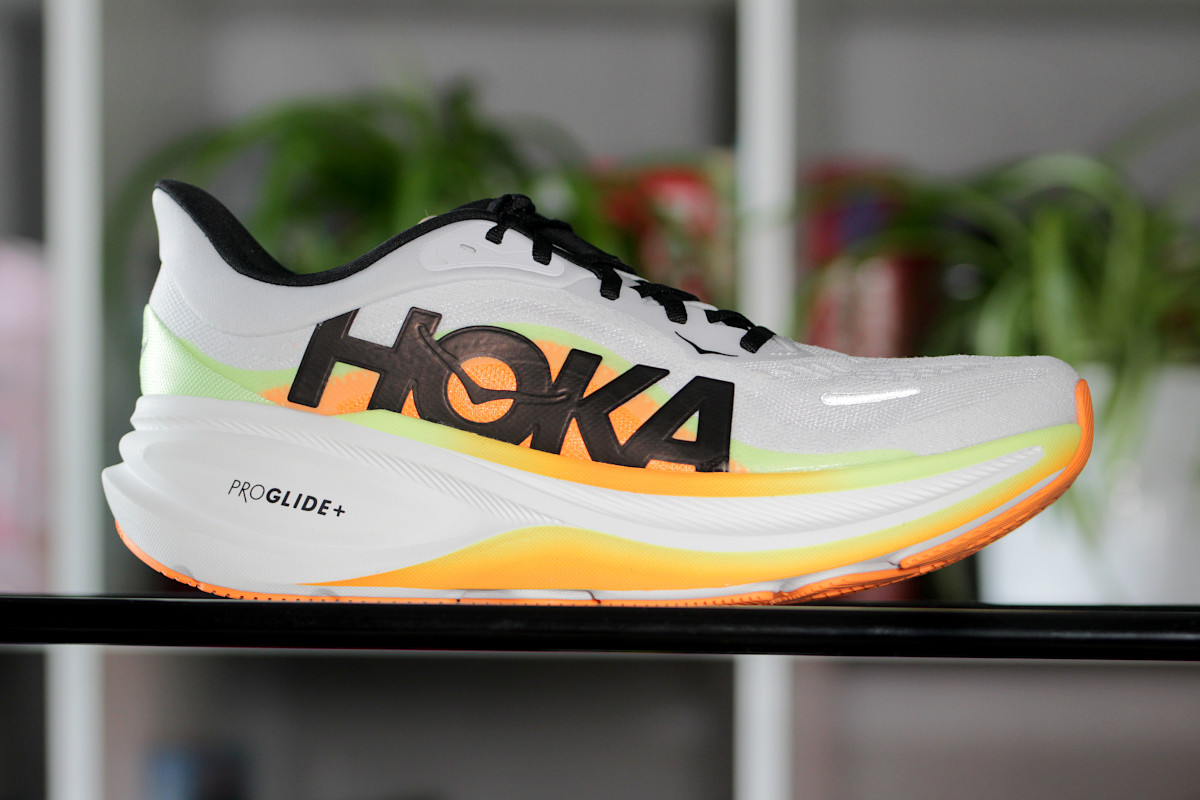
The Hoka Clifton Pro is a model that takes the well-known concept of the comfortable Clifton and gives it a more dynamic character. The thick sole still provides plenty of cushioning, but the new foam and a more pronounced rocker make the Pro respond much better when you pick up the pace. However, this isn’t just another super trainer or race shoe. It’s a comfortable training shoe designed to help you run faster. It’s an interesting choice for runners who expect more from the Clifton than just comfort.
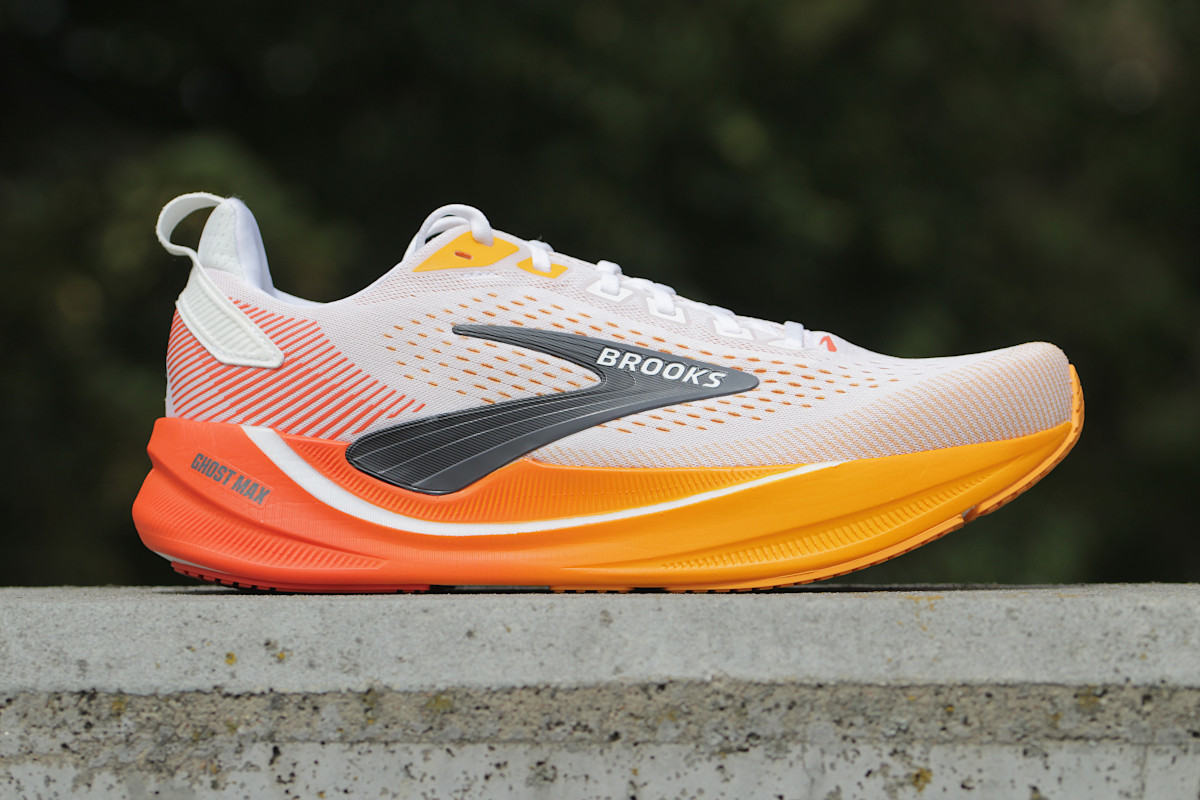
The Ghost Max 4 builds on the concept of a highly cushioned training shoe, but doesn’t try to change it at all costs. The high DNA LOFT v3 foam midsole, wide platform, and subtle rocker continue to create a construction focused primarily on protection and stability. The new generation introduces only a few significant changes, the most important of which is a noticeable reduction in weight. As a result, the Ghost Max 4 remains a shoe for relaxed, long training runs, but it has become a more versatile option for everyday running.
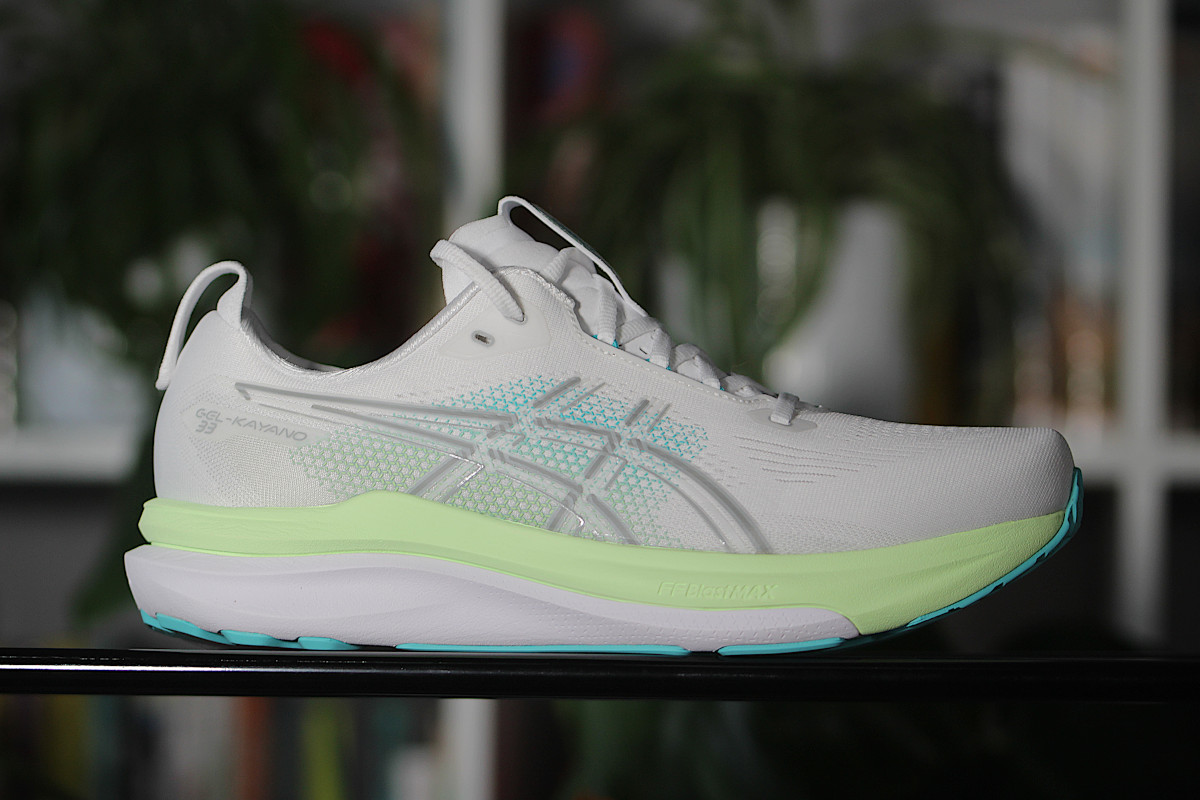
The Gel-Kayano series has long been the benchmark for stability running shoes. With the Asics Gel-Kayano 33, however, the producer is adopting a new approach to support. Instead of stiffer sole components, it utilizes optimized sole geometry, the new FluidSupport system, and dual-layer cushioning. This is designed to provide more versatile stability without compromising comfort. Will this change make the iconic model even better? Is this shoe only for overpronators?
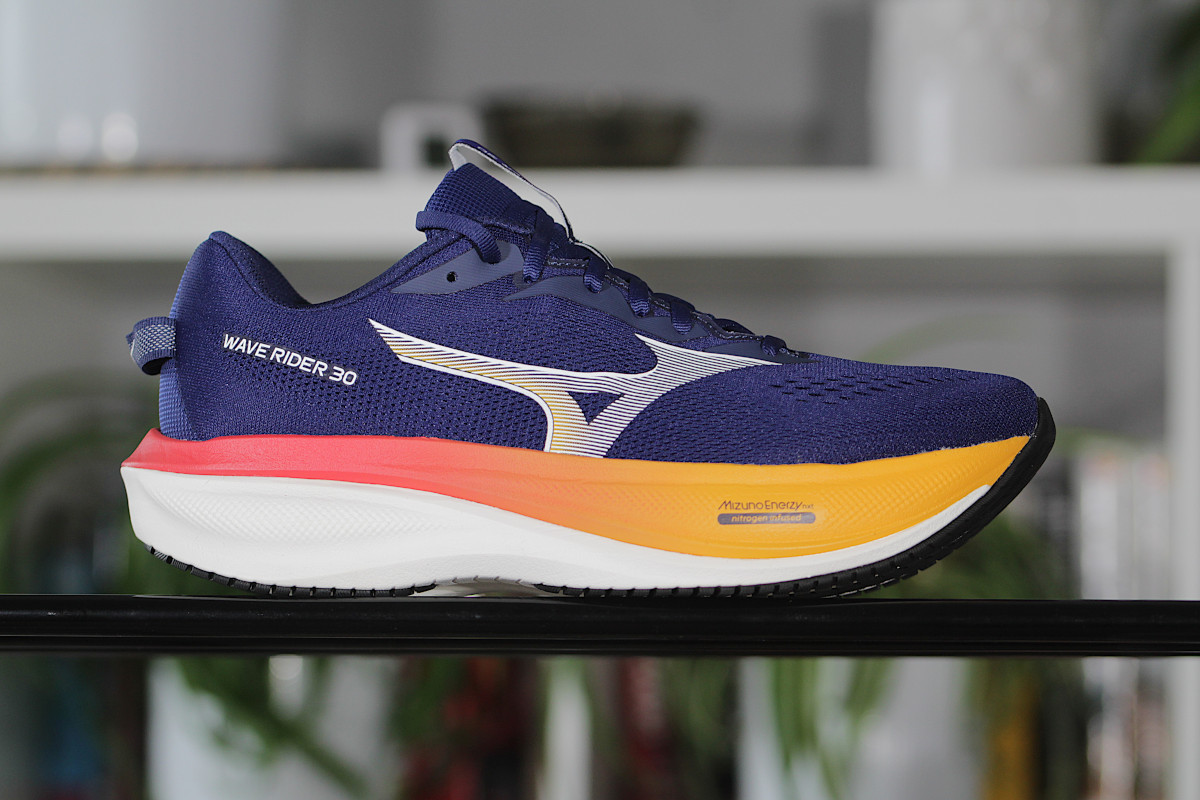
Some new releases introduce just a few tweaks. Others change everything. The Wave Rider 30 definitely falls into the latter category. Mizuno has completely rebuilt its iconic model from the ground up, retaining only its name. With new geometry, a completely redesigned outsole, and a totally different approach to cushioning, this isn’t just another Rider. It’s a shoe that’s been created from scratch.
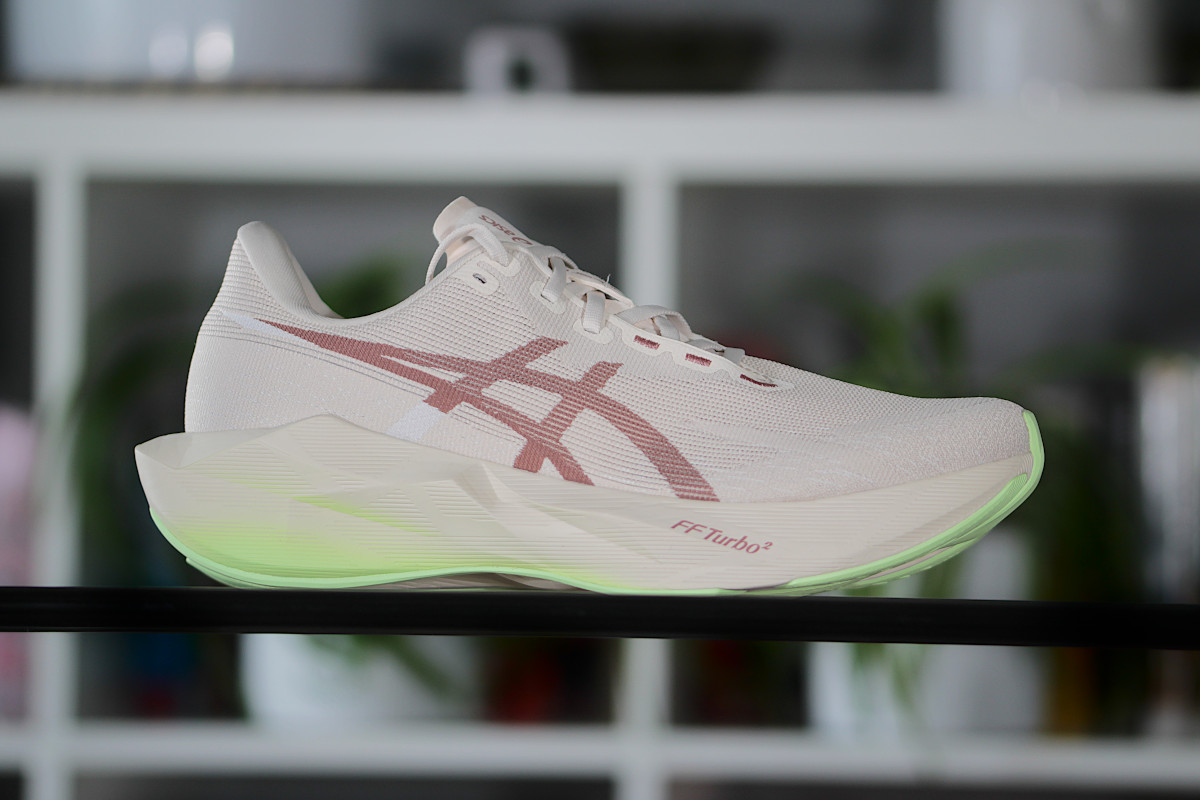
The Asics Novablast 6 continues the legacy of one of the most sought-after training shoes of recent years. The producer isn’t changing the familiar and proven design, but is incorporating features typically found in higher-end models. The result is an even more responsive bounce and greater versatility during daily workouts. It remains the shoe that sets the standard for responsiveness in the training shoe segment.
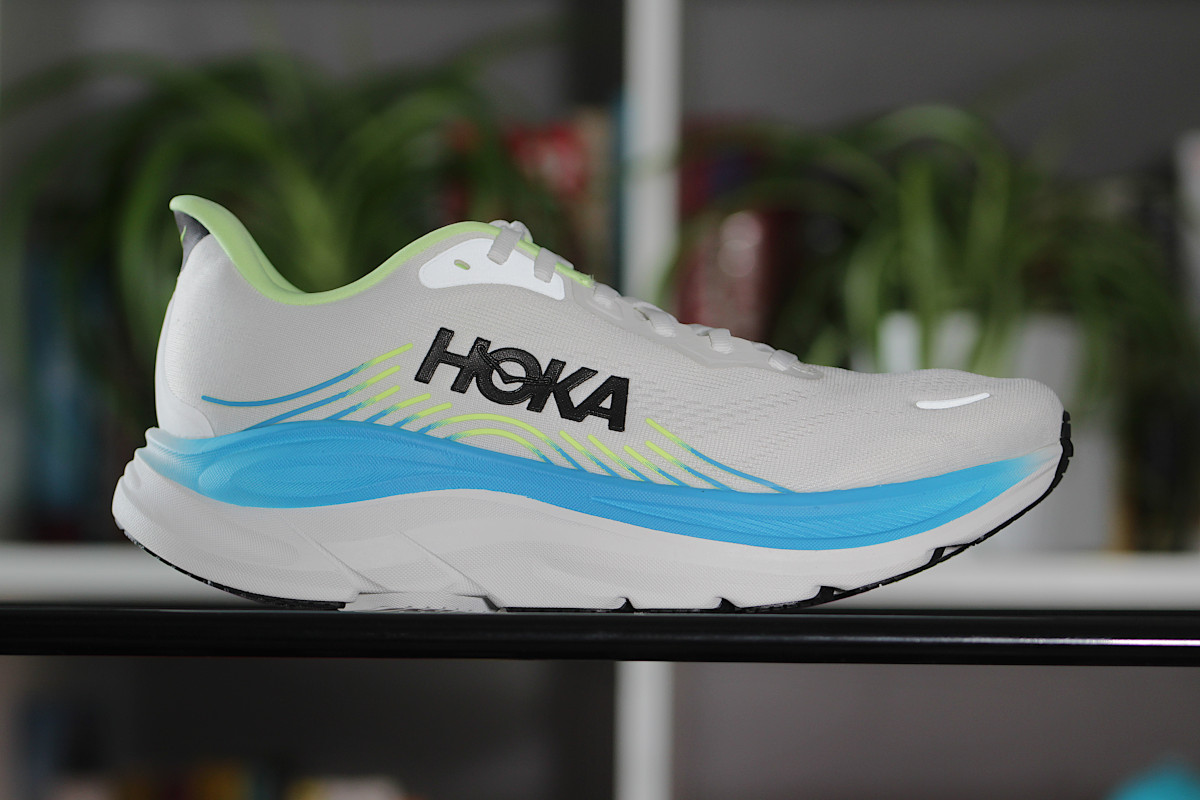
The Clifton has remained one of the cornerstones of Hoki’s lineup for years and is one of the most popular shoes for daily training. The eleventh iteration doesn’t bring any revolutionary changes. The producer has opted to refine the proven construction, focusing primarily on subtle changes to the comfort of the upper. Let’s see what has actually changed compared to the Clifton 10 and whether the new version is worth checking out.
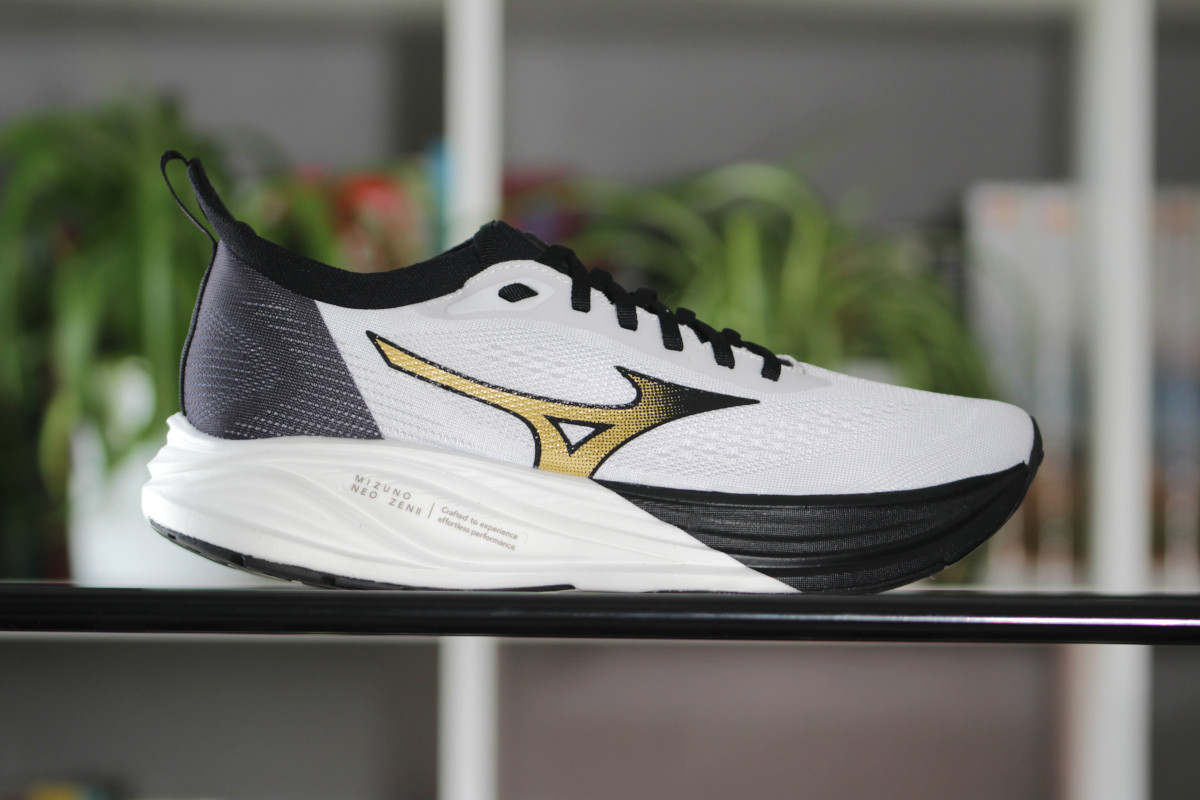
The first generation of the Mizuno Neo Zen earned acclaim for its exceptionally soft and springy cushioning. In the second iteration, however, the producer focused not only on enhancing these features but also on improving stability and refining the upper’s fit. The result is a shoe designed to compete with models such as the adidas Adizero EVO SL, Asics Novablast, and NB Rebel. I’m taking a closer look at what Mizuno’s latest training shoe has to offer and which runners it’s best suited for.
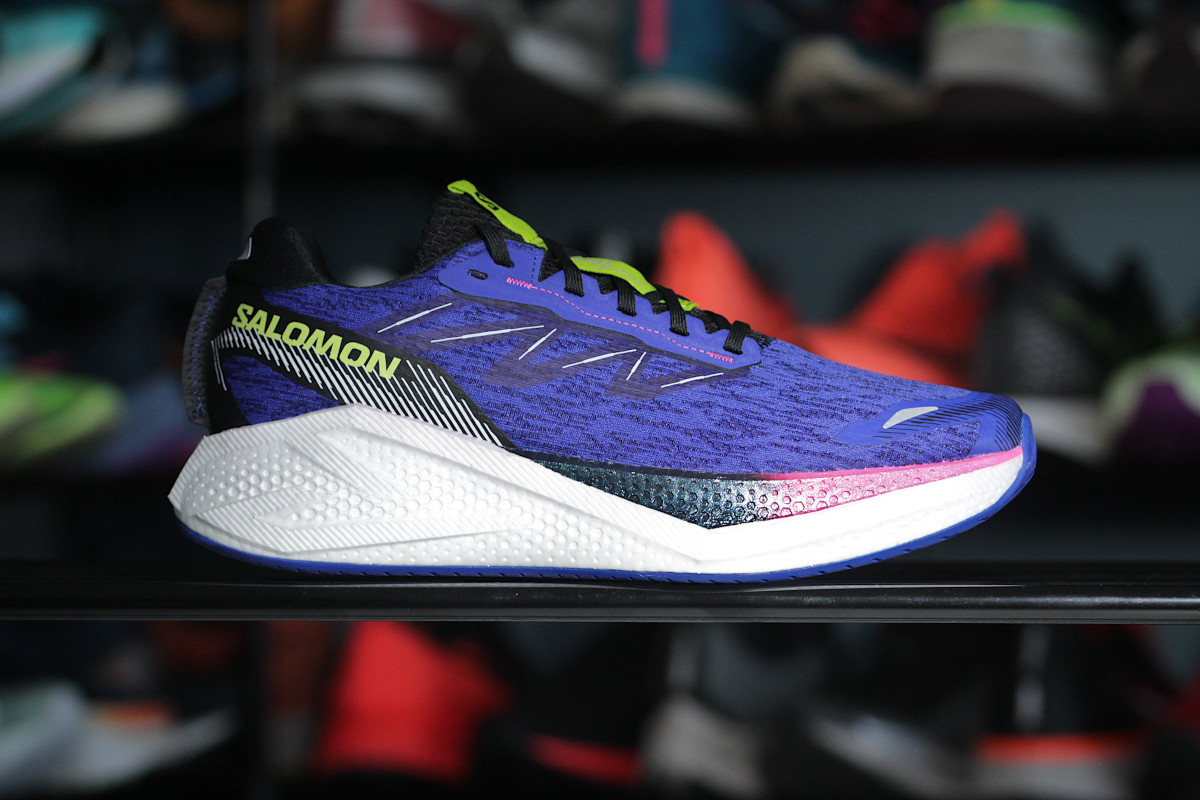
Just a few years ago, Salomon was primarily associated with trail running. Today, the brand is increasingly asserting itself among the best road running shoes, and the Aero Glide 4 is becoming an ever-stronger contender in this category. It’s a maximally cushioned model designed for daily training that prioritizes comfort without sacrificing performance. Not enough? It’s also worth noting that it’s a surprisingly lightweight shoe in the max cushion category. That makes it a model you shouldn’t pass up.
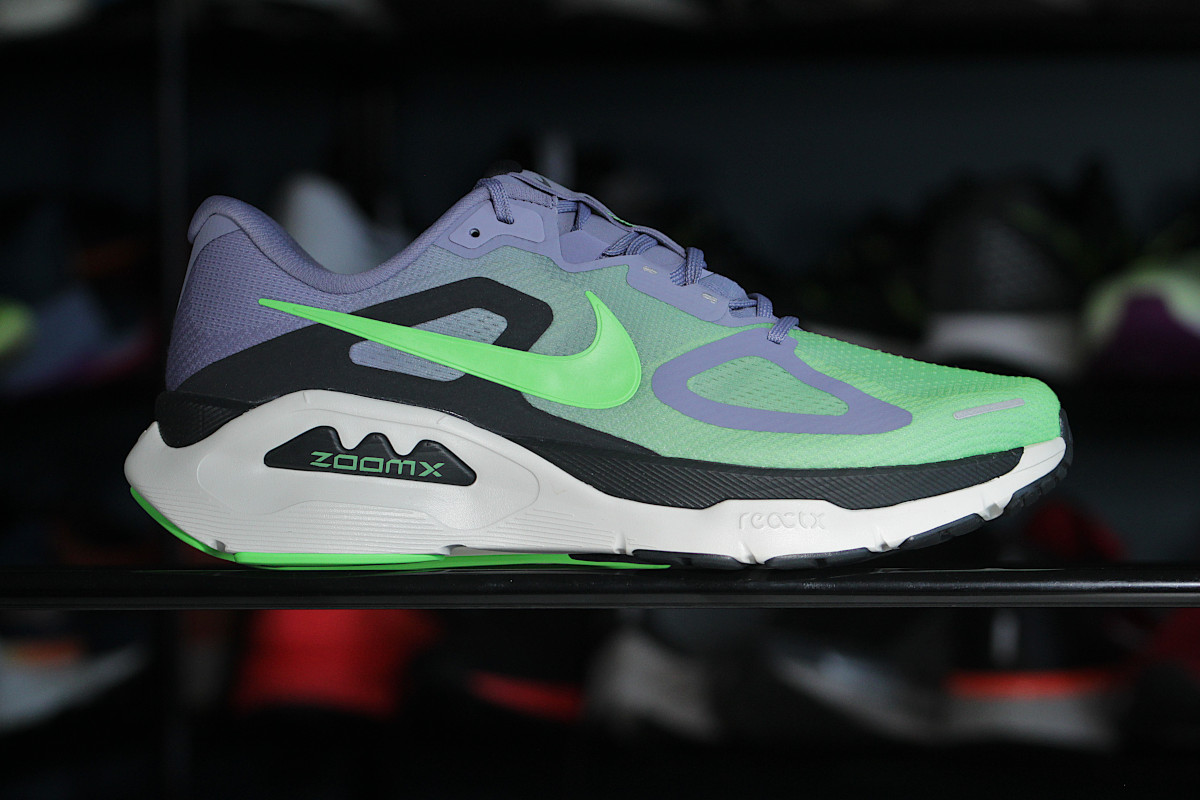
The Nike Structure Plus is the latest iteration of Nike’s running shoes, designed primarily to provide comfort, stability, and protection over long distances. It’s somewhat similar to the already familiar Nike Structure, but with significantly more cushioning and a softer feel. However, it retains the stabilizing character of this series. Is this a good choice for runners who weigh more than the “average” runner and are looking for a soft ride without sacrificing control and stability? Absolutely!
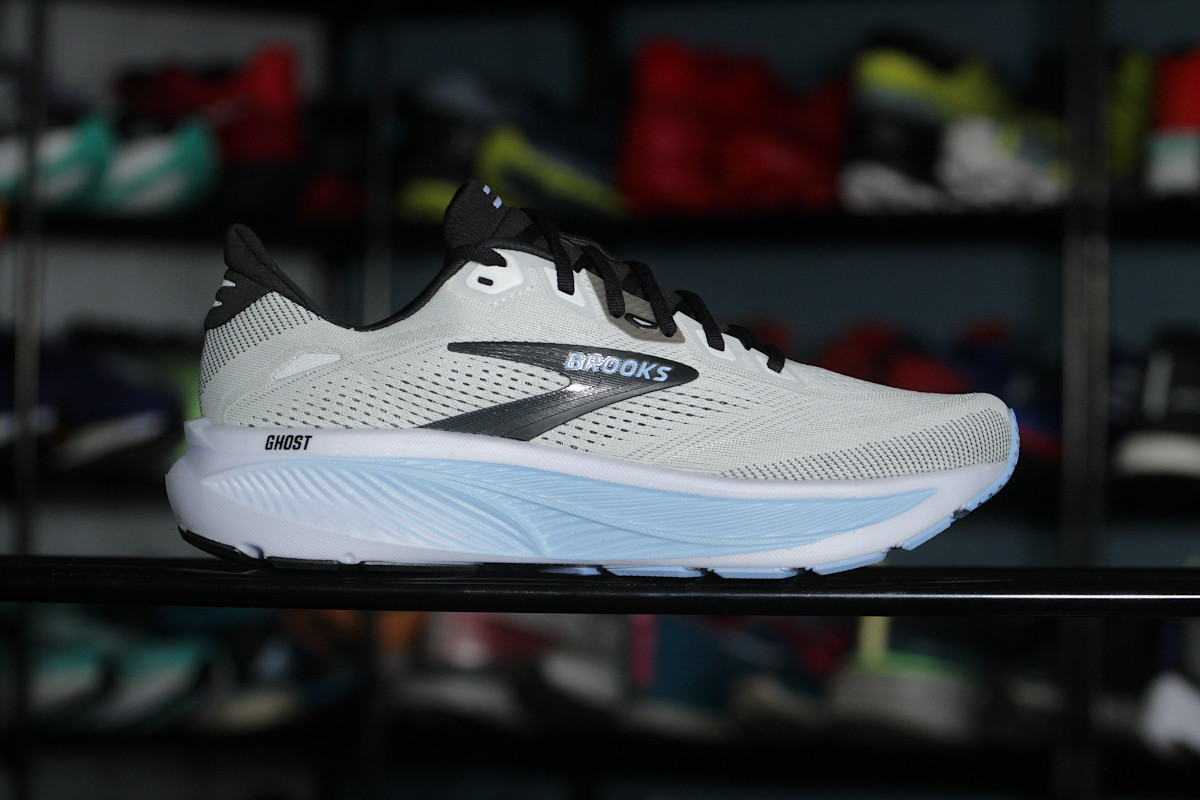
The Ghost 18 doesn’t try to pretend to be a new shoe. It’s more of a refinement of a familiar and much-loved model than a total revolution. It’s still an interesting shoe for those looking for balanced, yet not excessive, cushioning. It remains a soft, comfortable, and uncomplicated training shoe for everyday running. The differences are found only in the upper – new materials and a redesigned tongue are meant to improve fit and comfort while running. The result? Very familiar, but a little more snug.
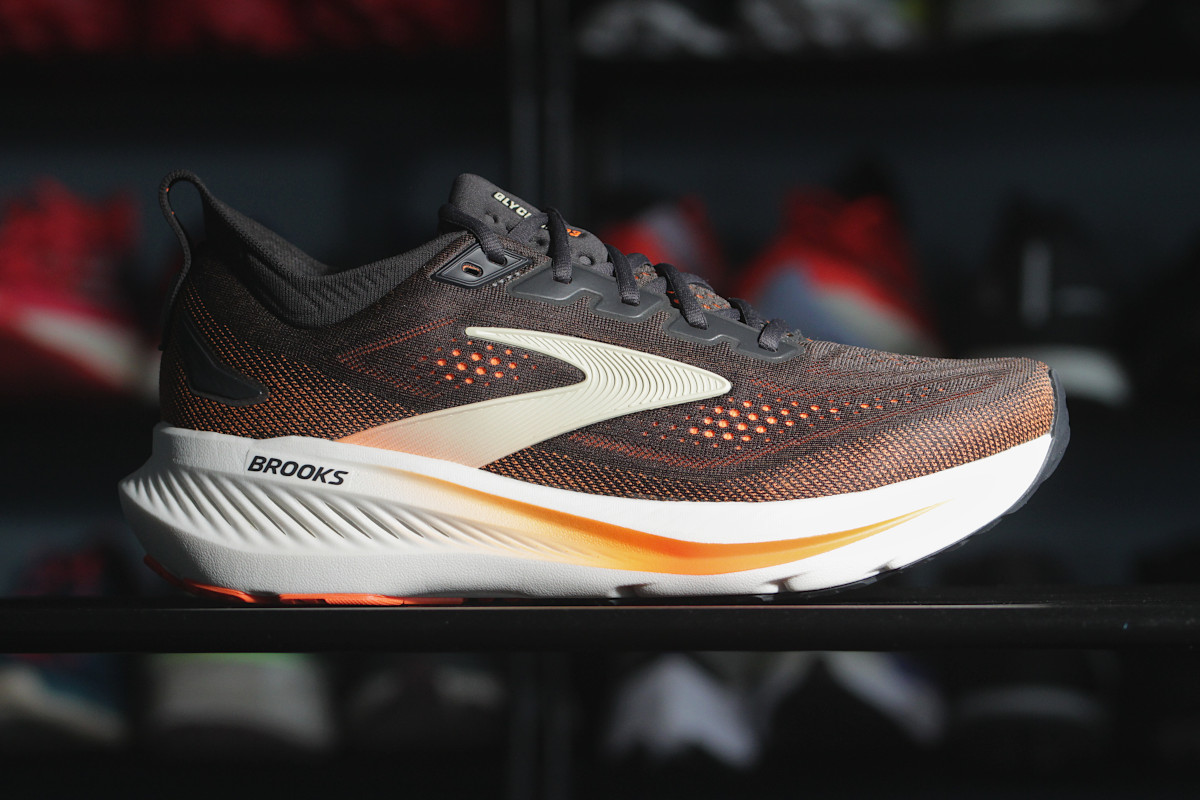
When you think of ultimate softness and unmatched comfort on long runs, you think of the Brooks Glycerin. The latest, 22nd edition of this legendary model is another step toward perfection! The new foam blend makes even more luxurious cushioning possible, and the redesigned upper ensures a perfect fit. As always, this is a shoe […]
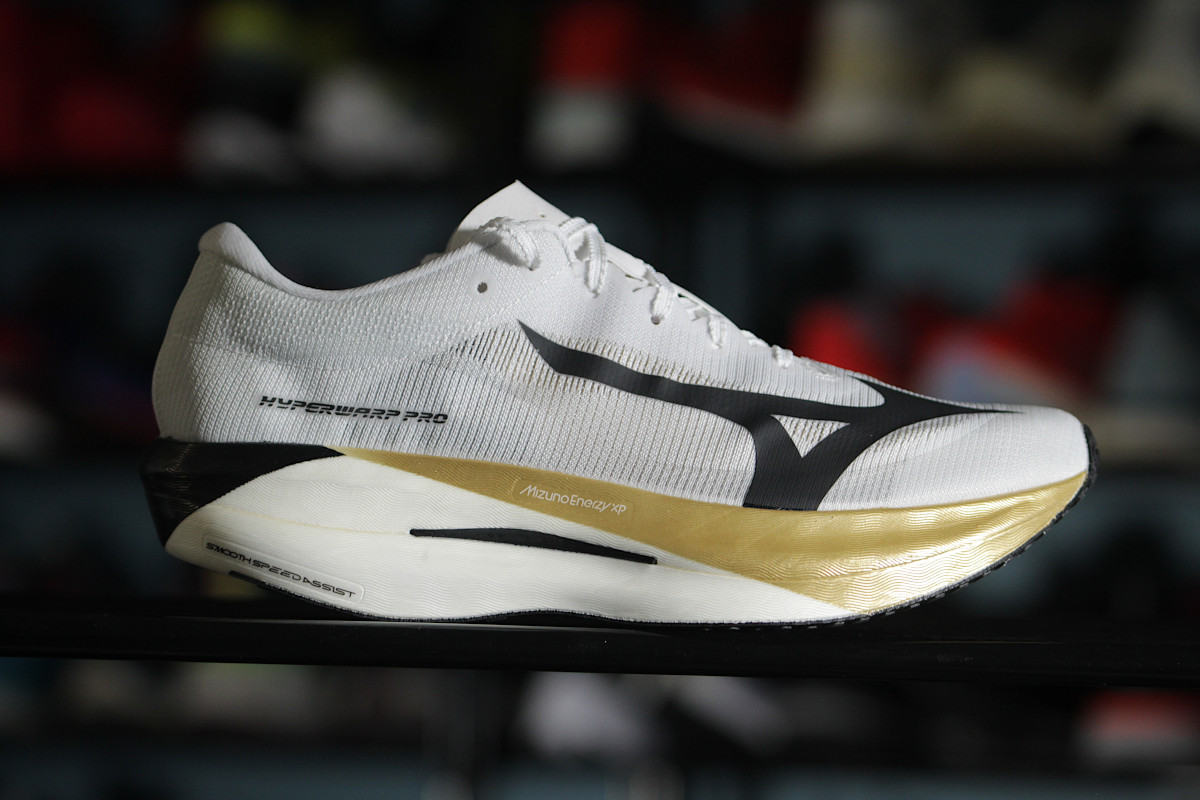
The Mizuno Hyperwarp Pro may be one of the biggest surprises in the world of performance running shoes. Instead of extremely aggressive geometry, we get something much more interesting here – an ultralight model focused on stability, smoothness, and control during long-distance runs. The Hyperwarp Pro doesn’t provide an exaggerated “trampoline” effect, but it does deliver a predictable roll, solid cushioning, and much greater confidence with each step than most high-performance racing shoes.
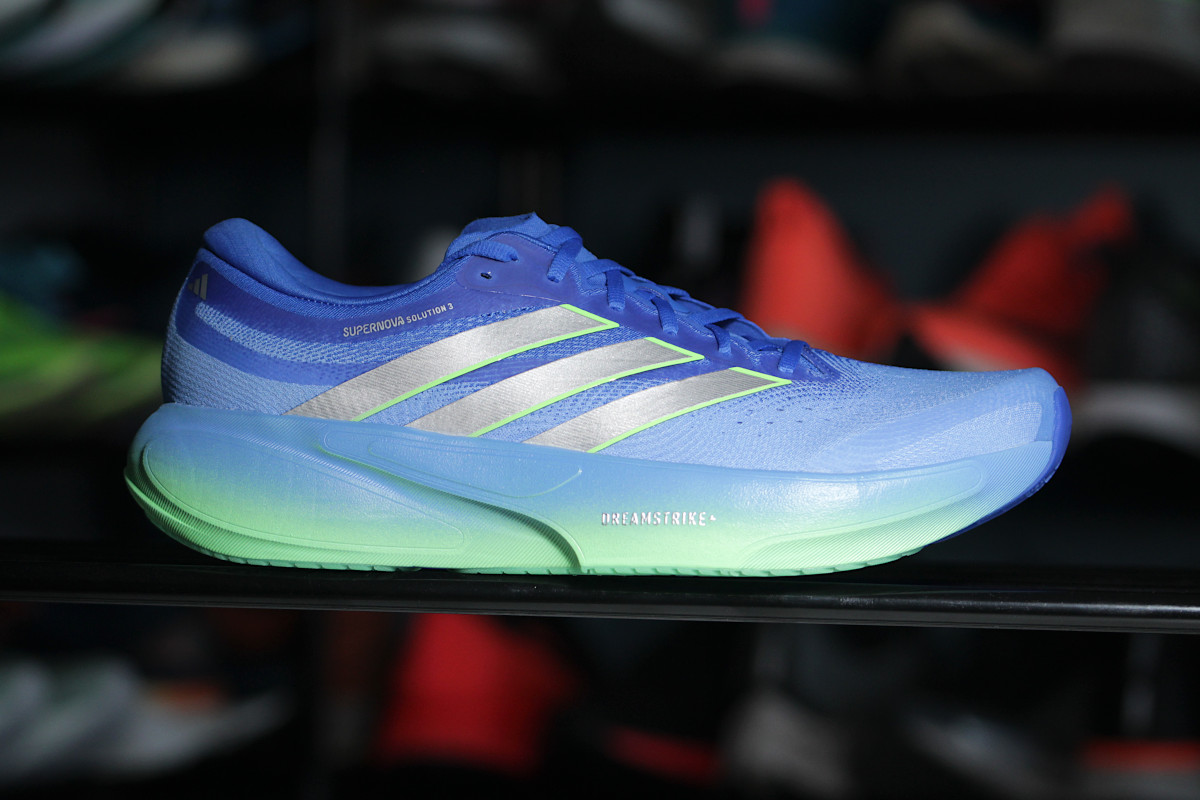
The Supernova Solution 3 is a running shoe for those who don’t like being told how to run. It’s soft and comfortable, but it also provides more guidance for your foot. However, this is done in a very subtle and unobtrusive way. It’s a shoe for those who like cushioning but don’t want the shoe to “float” under their foot. A shoe for those who both like and dislike being controlled by their shoe. The Solution delivers all of this without any fuss or surprises.