Top Picks
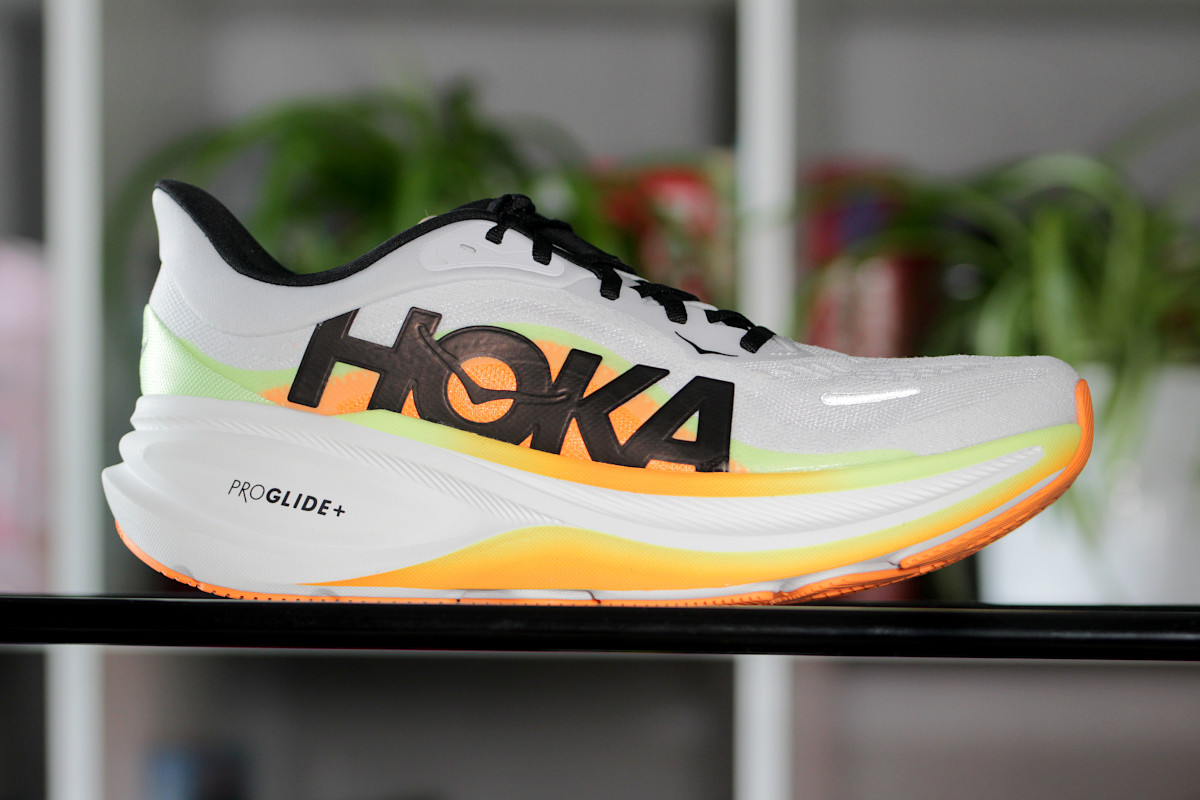
The Hoka Clifton Pro is a model that takes the well-known concept of the comfortable Clifton and gives it a more dynamic character. The thick sole still provides plenty of cushioning, but the new foam and a more pronounced rocker make the Pro respond much better when you pick up the pace. However, this isn’t just another super trainer or race shoe. It’s a comfortable training shoe designed to help you run faster. It’s an interesting choice for runners who expect more from the Clifton than just comfort.
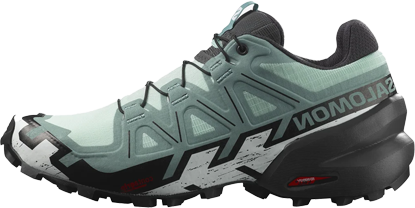
Not every run takes place on perfect road or in true off-road terrain. More and more routes are a mix – a stretch of sidewalk, some gravel, a park path, a dirt road outside the city. Door-to-trail shoes were designed precisely for these conditions. These are models meant to be comfortable on hard surfaces but adapt when the road ends. In fact, that’s when they really shine.
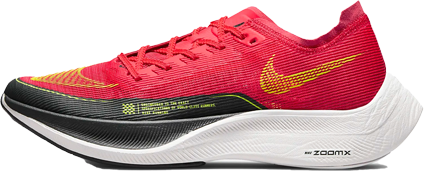
Racing shoes are designed to maximize speed by increasing the dynamics and efficiency of your stride. At the same time, they provide the cushioning you need to feel safe and reduce muscle fatigue during intense workouts. The perfect choice for fast runs and competitions where every second counts! But with so many models on the market, which one is right for you? Check out the overview!
Do your legs want softness with every step? Maybe you train longer than the average runner, run with a heavier load, or just want to feel like you’re floating off the ground? If so, you’ve come to the right place! In this selection, you will find running shoes that combine maximum cushioning with exceptional comfort – ideal for those who want to protect their joints, enjoy long workouts, and get the most out of running. Check out what the manufacturers have in store for you!
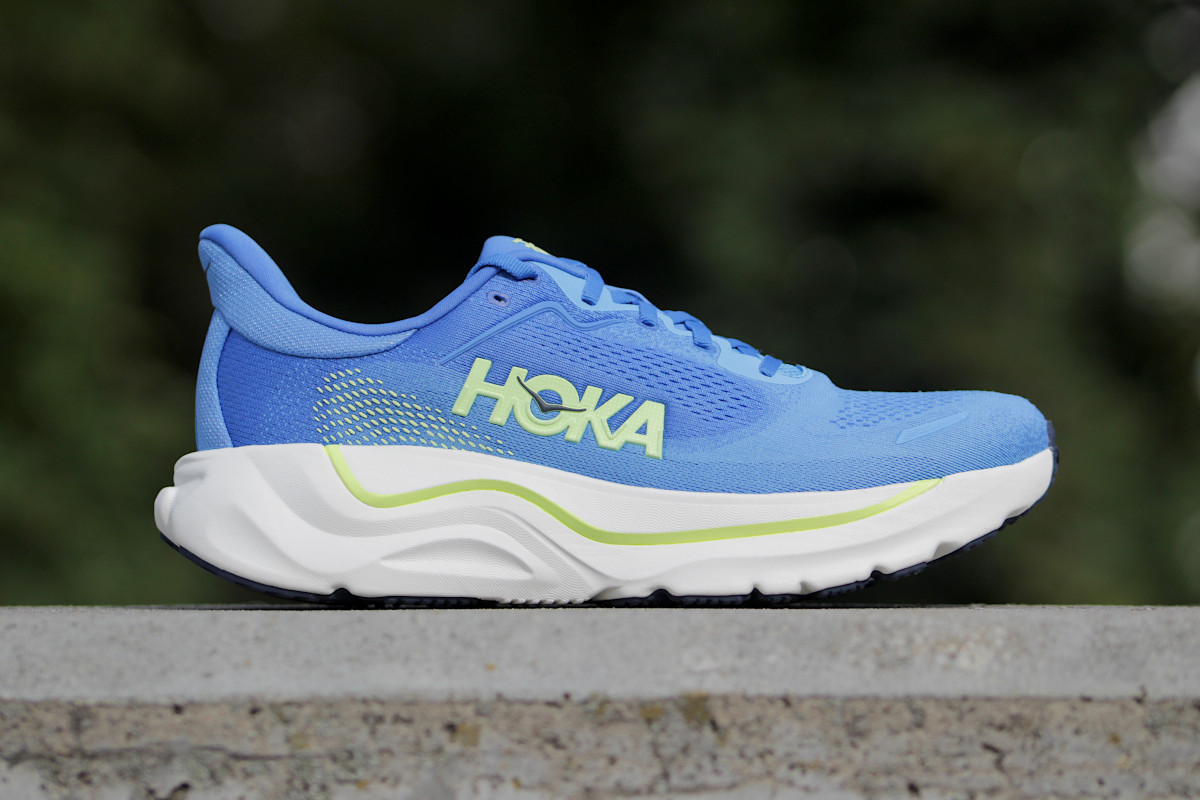
The Hoka Arahi 9 is the latest edition of one of the most recognizable stability models in Hoka’s lineup. For this generation, the producer opted not for a revolution but for a very subtle evolution. Underfoot, you’ll find the same, well-known construction concept, and the changes mainly concern the upper and fit. However, these aren’t major changes. If you enjoyed running in the “8s,” you’ll feel almost right at home here.
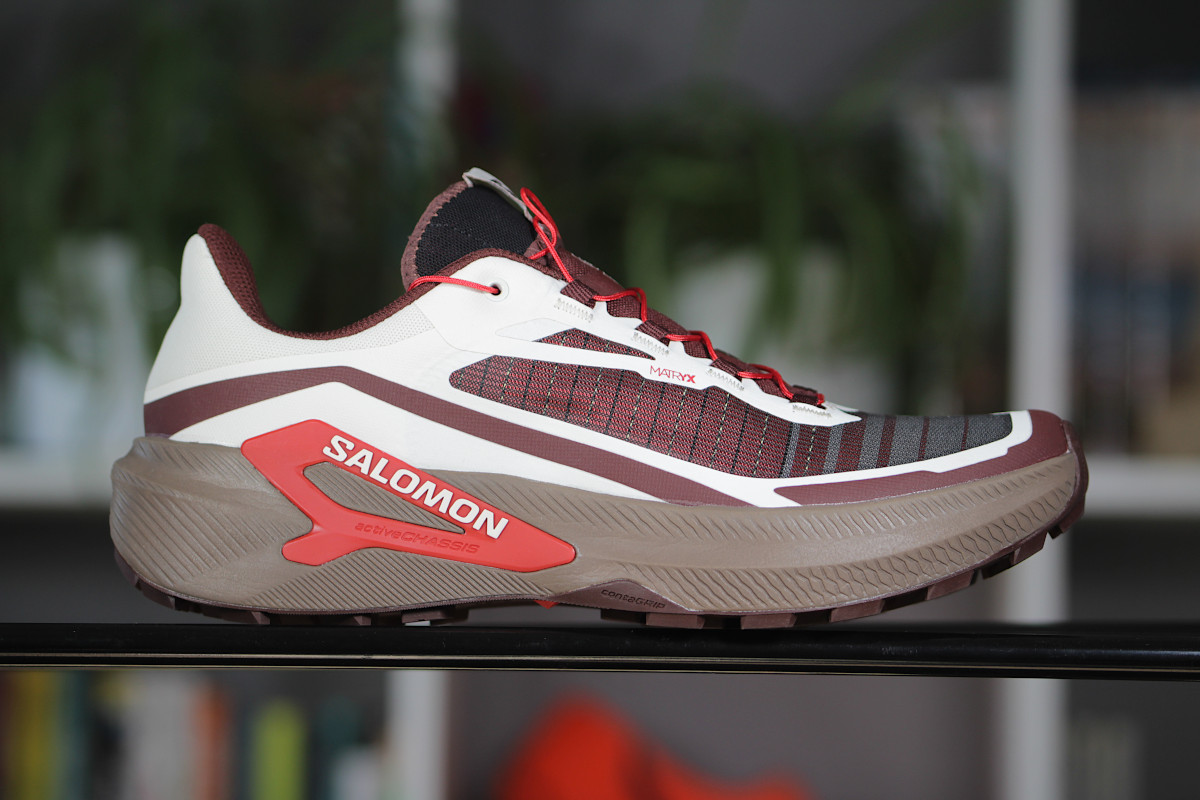
The Salomon Genesis 2 is a trail running shoe that prioritizes stability, control, and secure foot placement over maximum softness and cushioning. It’s best suited for shorter, technical trails where a good feel for the ground and precision on uneven sections are key. It’s a fairly stiff construction, but this provides a lot of control and works well when the trail demands extra attention. The Genesis 2 thus offers a different approach to the modern trail running shoe—instead of pampering the runner with softness, it gives them greater control over what’s happening underfoot.
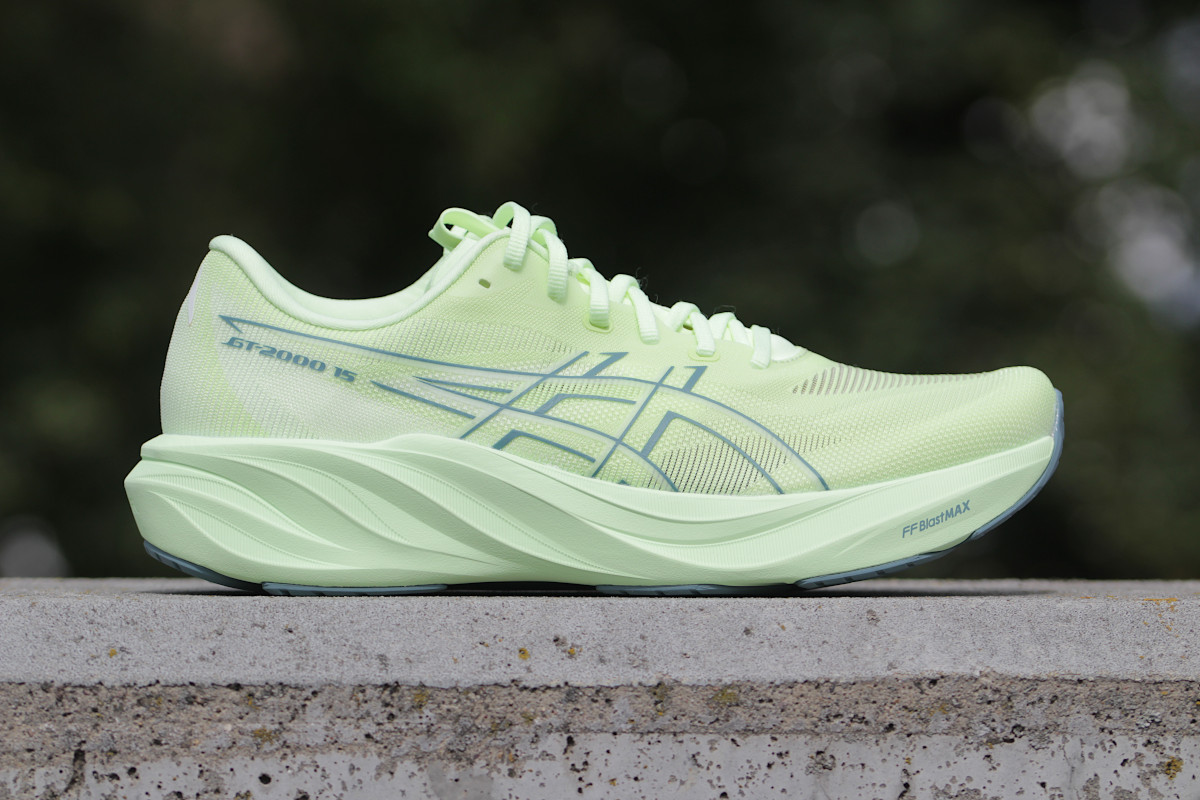
The Asics GT-2000 15 is a shoe for runners who need stability but don’t want to run in a heavy, clunky shoe. The new version combines a higher sole with a lighter construction and FF Blast MAX foam, and foot guidance is provided primarily by the shoe’s geometry rather than very stiff elements in the sole. The result is a well-cushioned, stable shoe for everyday running that retains quite a bit of freedom and performance.
Not every run takes place on perfect road or in true off-road terrain. More and more routes are a mix – a stretch of sidewalk, some gravel, a park path, a dirt road outside the city. Door-to-trail shoes were designed precisely for these conditions. These are models meant to be comfortable on hard surfaces but adapt when the road ends. In fact, that’s when they really shine.

Mizuno is a Japanese sports brand with over 100 years of tradition, known for its innovative running shoes. Its flagship technology is the Wave system, which provides cushioning and stability. The lineup includes soft training shoes, fast racing models, and sturdy trail running shoes, so every runner can find a pair of Mizuno shoes that suits their running style.
Racing shoes are designed to maximize speed by increasing the dynamics and efficiency of your stride. At the same time, they provide the cushioning you need to feel safe and reduce muscle fatigue during intense workouts. The perfect choice for fast runs and competitions where every second counts! But with so many models on the market, which one is right for you? Check out the overview!
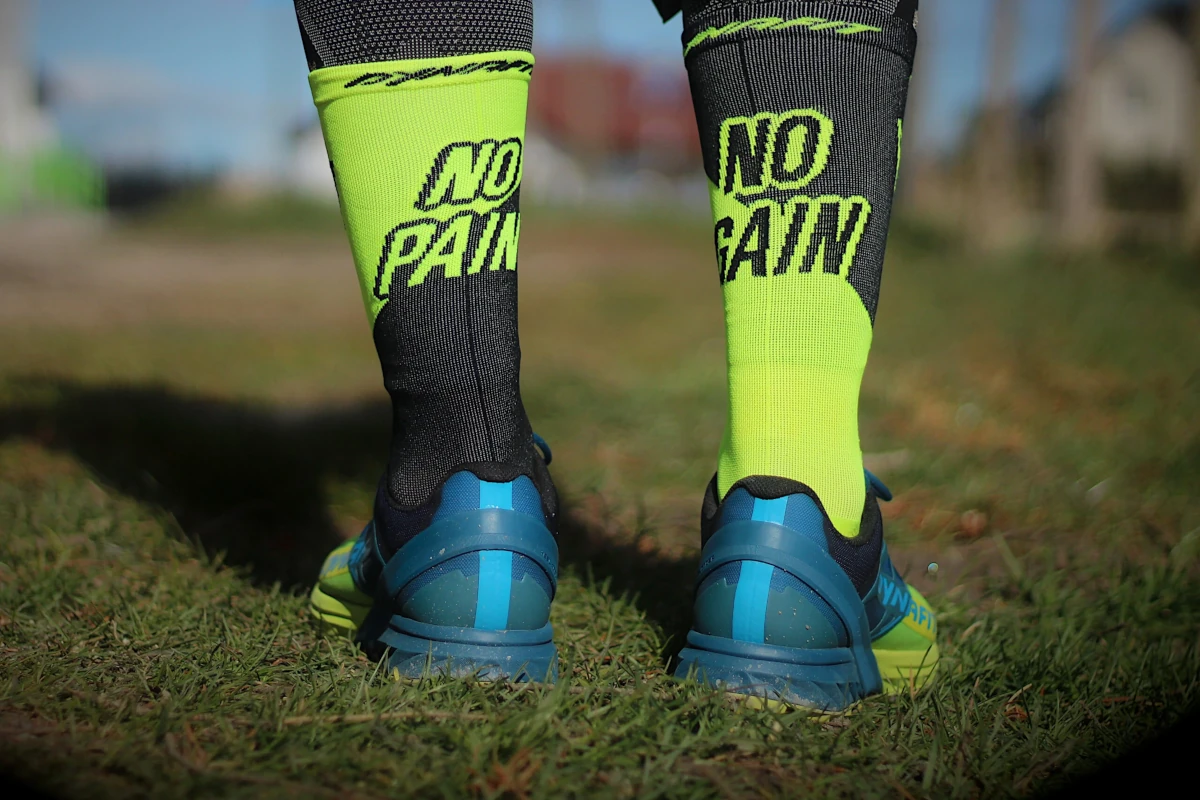
The best running socks are these: you quickly forget you’re wearing them. They don’t slip down, they don’t pinch, they don’t cause chafing, and they manage moisture well. They simply let you focus on your run. Although we often treat socks as a minor part of our running gear, there are dozens of different models on the market that vary in material, thickness, height, fit, and the technologies used. So what should you look for?
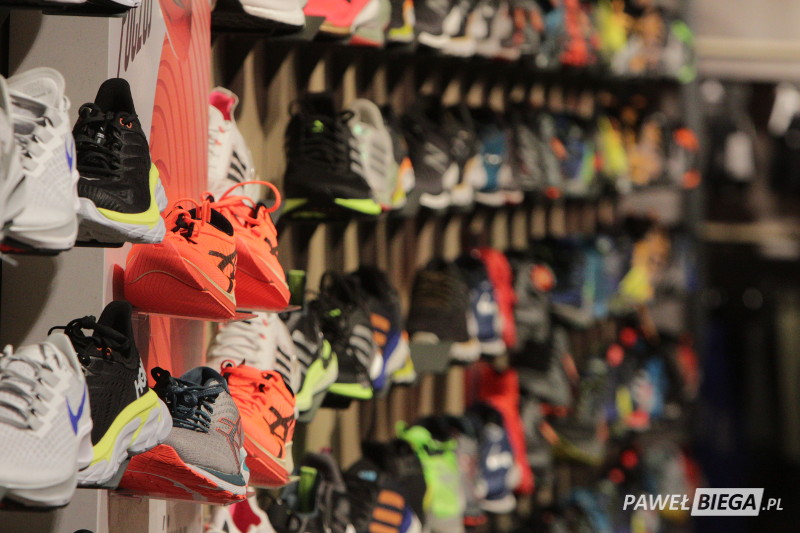
Running shoes seem like the perfect gift. They’re practical, stylish, and every runner needs them. The problem is that choosing the right model is much harder than it might seem. Even if you know their favorite brand or shoe size, it’s very easy to buy a pair that just won’t fit.
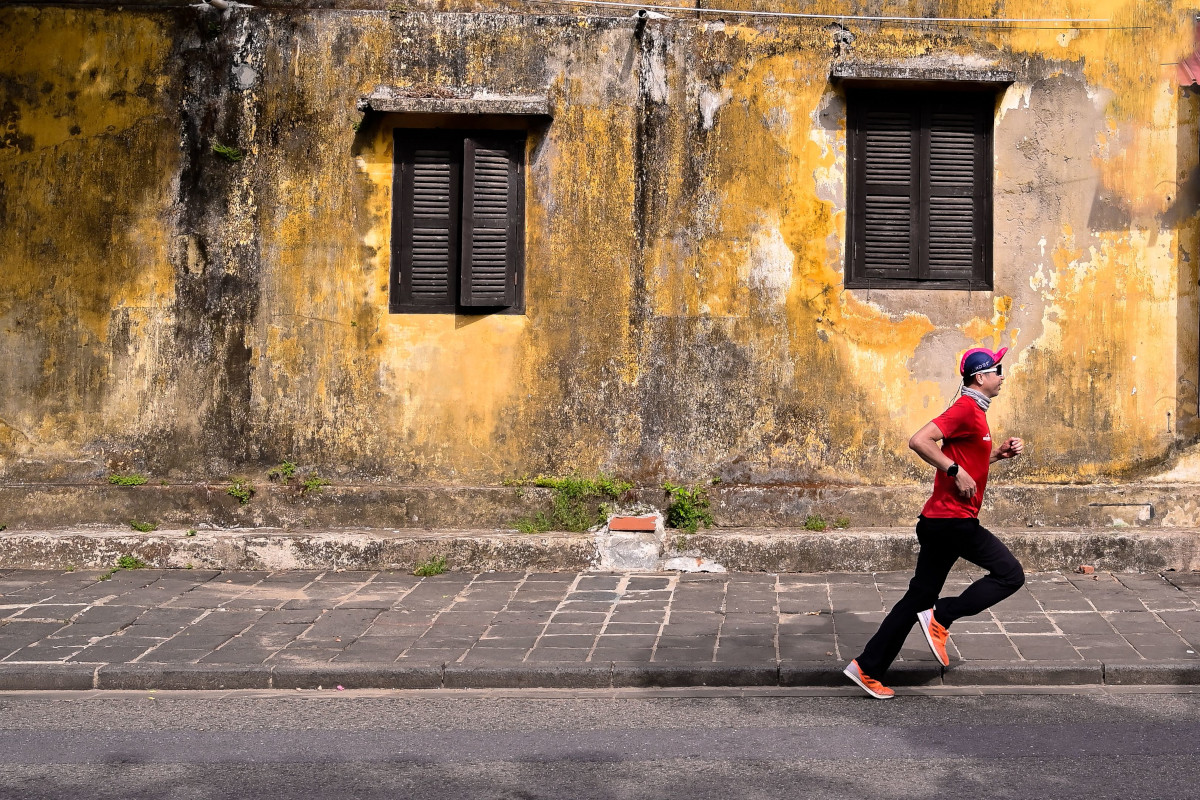
Strides are one of the simplest ways to improve your running form and prepare your body to run faster. Although they last only a dozen or so seconds – or up to several dozen seconds – they are a staple of training plans for both beginners and more advanced runners. In this article, I explain what strides are, what benefits they offer, and how to perform them correctly so that they become a valuable addition to your running training.
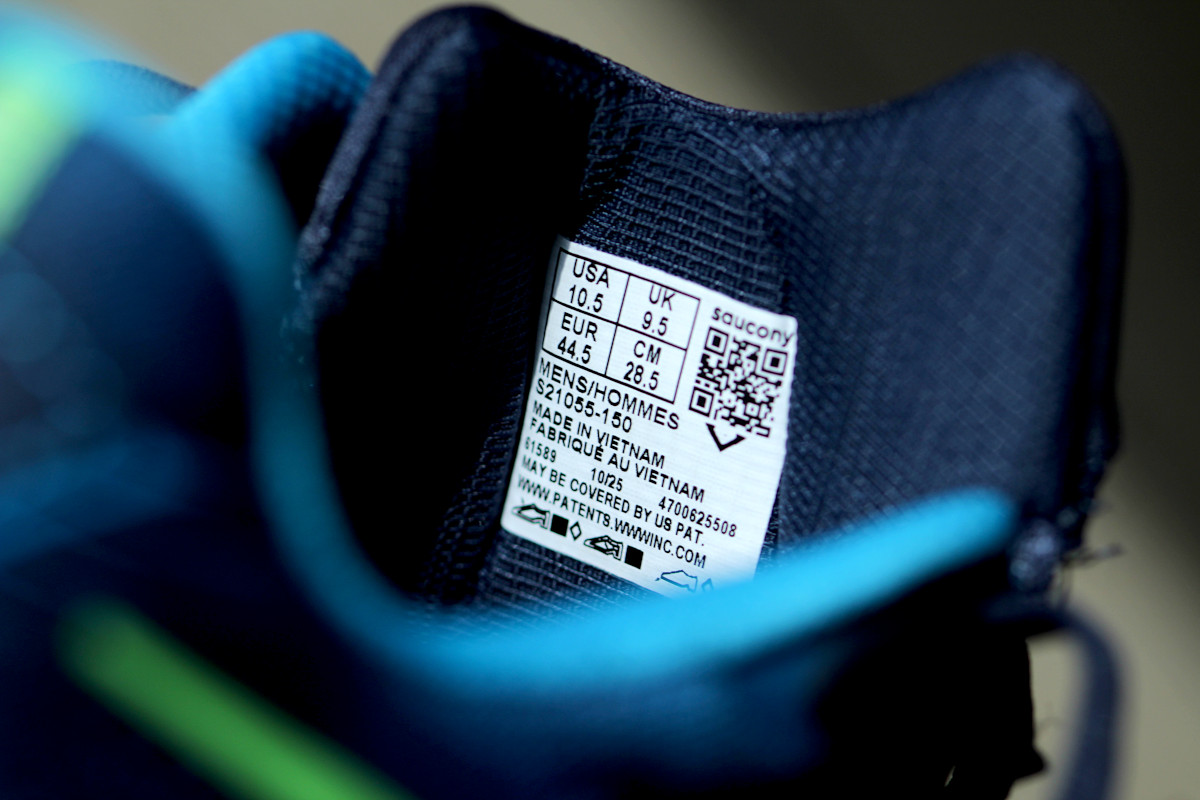
I run in shoes ranging from size 45.5 to 47.5. And no, I don’t just buy random sizes. They all fit me well. Sounds absurd? Only at first glance. This perfectly illustrates just how far European sizing for running shoes can be from reality.
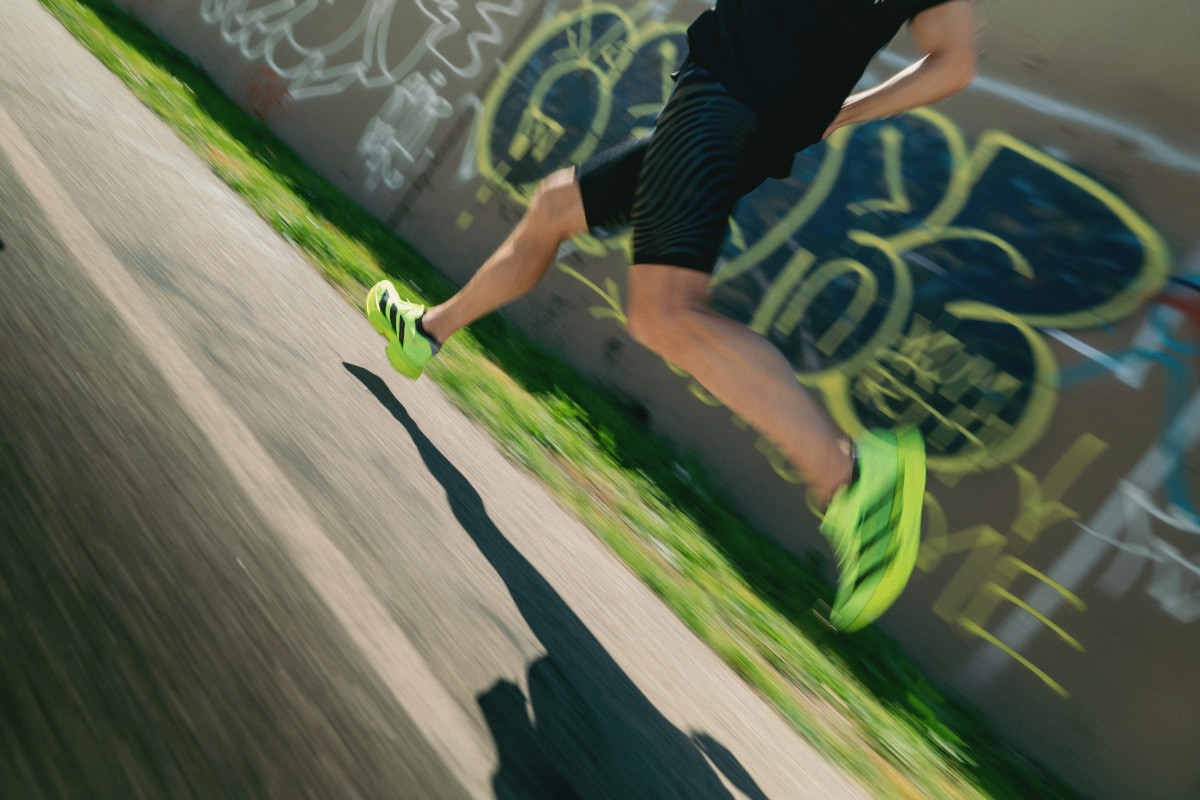
Many runners assume that the faster they train, the faster they’ll improve their times. In practice, the opposite is often true. Paradoxically, slowing down during most workouts may be the easiest way to set a new personal best and… run faster. Here are six reasons why it’s worth taking your foot off the gas sometimes.

Are you just starting to run and don’t understand half the conversations in running groups? Someone posts a “personal best,” talks about “warming up” or “running in the red,” and you’re wondering what it all means? Don’t worry. The world of running, like any other, has its own language. Some terms come from sports training. Others are typical runner slang. Below you’ll find a practical running glossary for beginners. Short, to the point, and without unnecessary complications.
Hi, I’m Pawel
I have been running and choosing the right running shoes for several years. I am a runner who has competed in many different races, from 1000-meter treadmill races to ultra-marathons in the mountains. Since 2011, I have been writing pawelbiega.pl, one of the most frequently read blog about running and running shoes in Poland. Now I invite you to its English-language version, pawelruns.com.