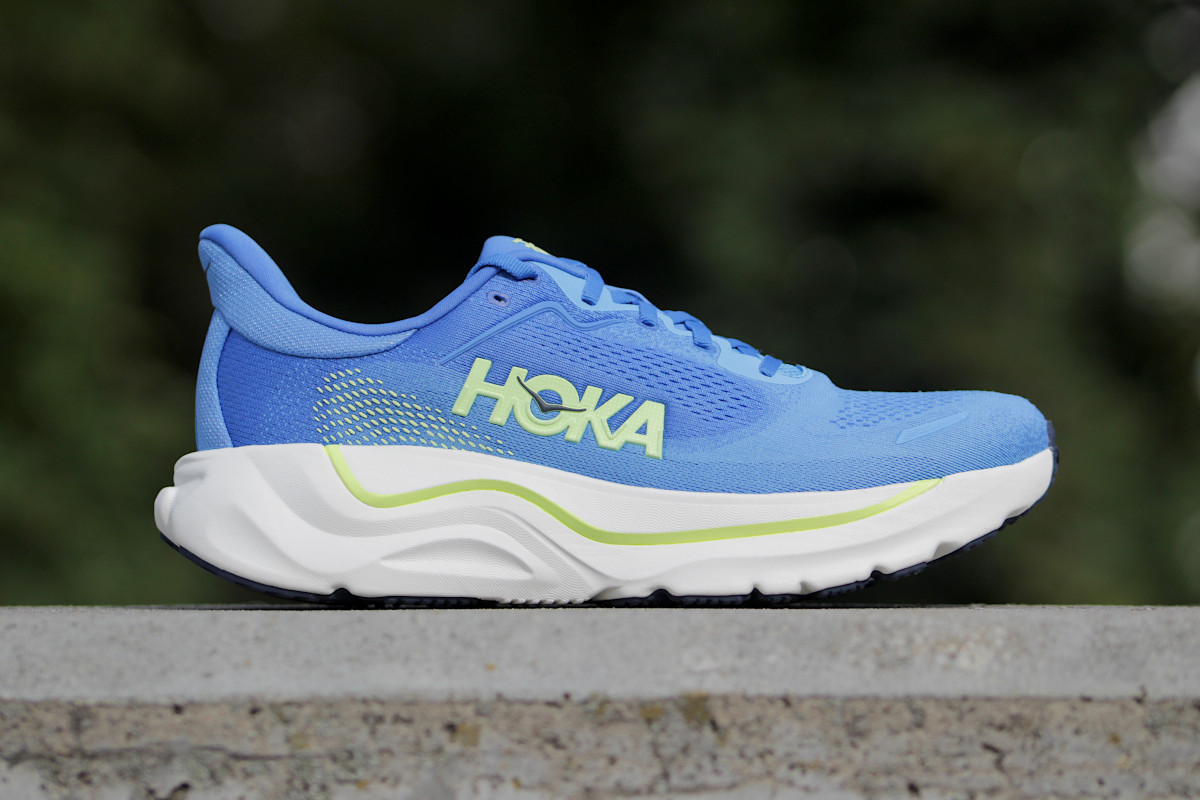
The Hoka Arahi 9 is the latest edition of one of the most recognizable stability models in Hoka’s lineup. For this generation, the producer opted not for a revolution but for a very subtle evolution. Underfoot, you’ll find the same, well-known construction concept, and the changes mainly concern the upper and fit. However, these aren’t major changes. If you enjoyed running in the “8s,” you’ll feel almost right at home here.
Basic Info
Tech Specs
Best For
The Hoka Arahi 9 is a well-cushioned training shoe designed primarily for running on hard surfaces. It performs best on roads, sidewalks, and urban routes, but thanks to its good ground isolation, it can also be used on compacted dirt trails. This is a stability shoe designed for runners who need extra support during the foot roll. Like its predecessor, it combines a stable construction with the comfort needed for daily training.
Pros
- very good cushioning
- non-invasive stabilization
- soft upper with a standard width
- one of the lighter options among stabilizing shoes
Cons
- the sole without an outsole may wear out quickly
- this isn’t the best choice for fast running
Key Features – What’s New in the Latest Edition
| ARAHI 9 | ARAHI 8 | |
|---|---|---|
| Stack height | 39/31mm | 39/31mm |
| Drop | 8mm | 8mm |
| Weight men’s | 276g | 276g |
| Weight women’s | 233g | 218g |
| Upper | technical mesh | double jacquard mesh |
| Midsole | CMEVA + H-Frame | CMEVA + H-Frame |
| Outsole | abrasion-resistant rubber | abrasion-resistant rubber |
Hoka Running Shoes – Lineup
The Hoka Arahi 9 is a close cousin of the popular Clifton, but with enhanced stability. The new version features the H-Frame system, which helps control overpronation. At the same time, the Arahi 9 retains Hoka’s signature high cushioning and smooth foot roll.
On the other hand, this model is positioned below the maximalist Gaviota. The Arahi 9 is a good choice for runners who need extra support but don’t want to sacrifice a lightweight feel. The Gaviota, meanwhile, remains the go-to option for those seeking even greater protection and a softer, more stable stride.
You can find out more about all the models in the Hoka running shoe guide.
| NEUTRAL & BOUNCY | NEUTRAL SHOES | STABILITY SHOES | |
|---|---|---|---|
| maximum cushioning | 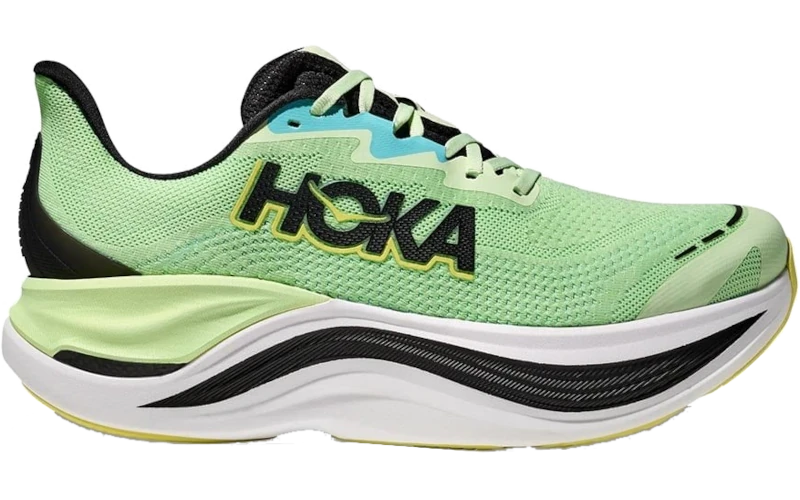 Skyward X  Bondi 9 | 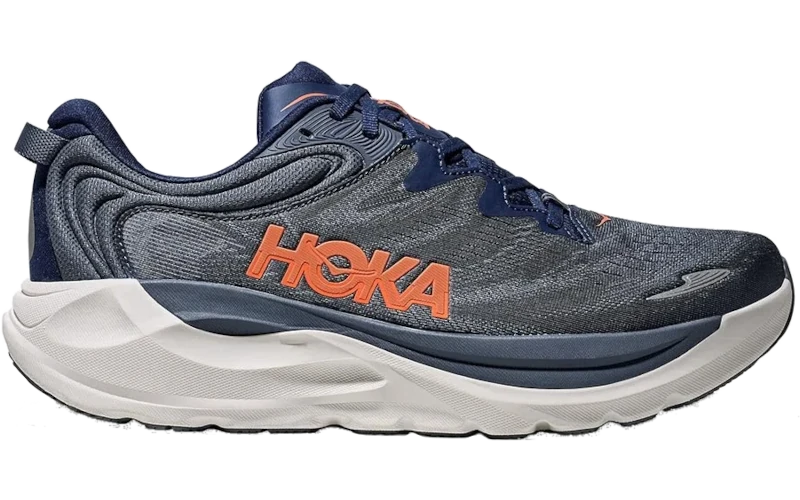 Gaviota 6 | |
| very high cushioning | 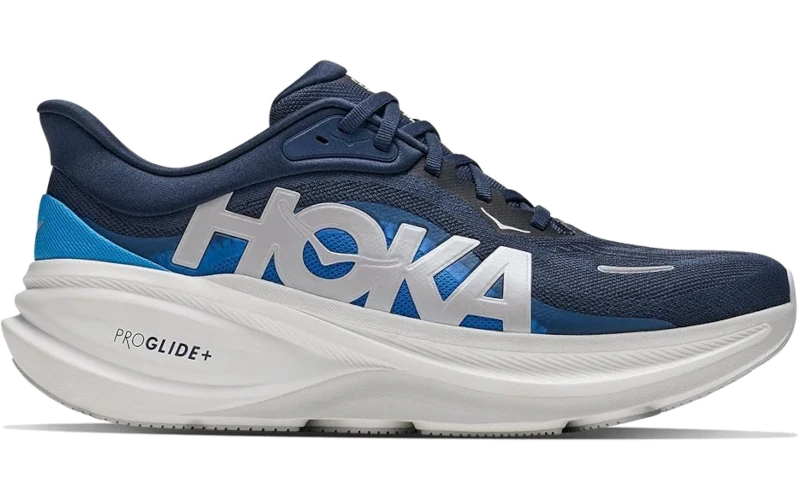 Clifton Pro | 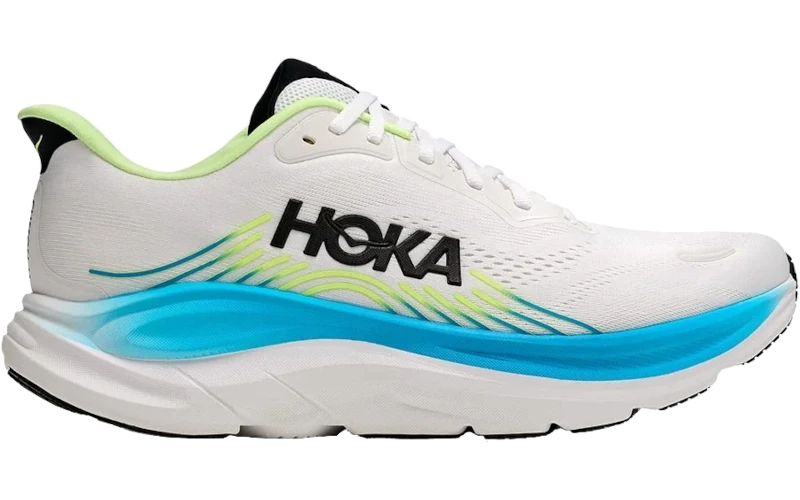 Clifton 11  Skyflow | 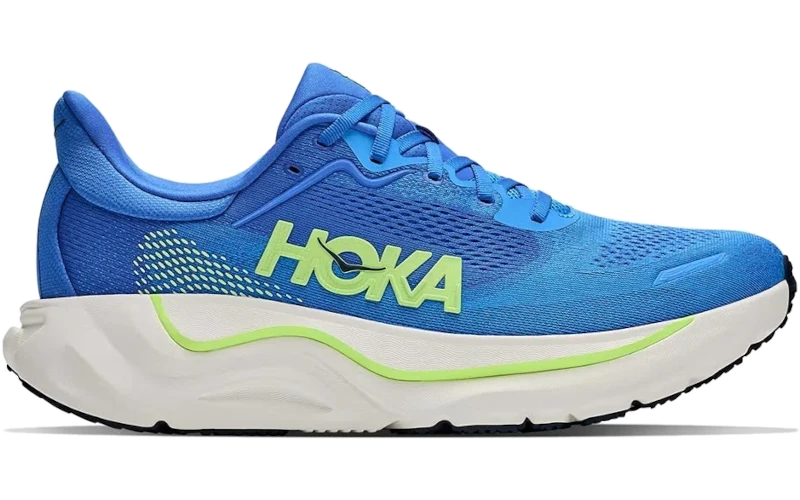 Arahi 9 |
| high cushioning | 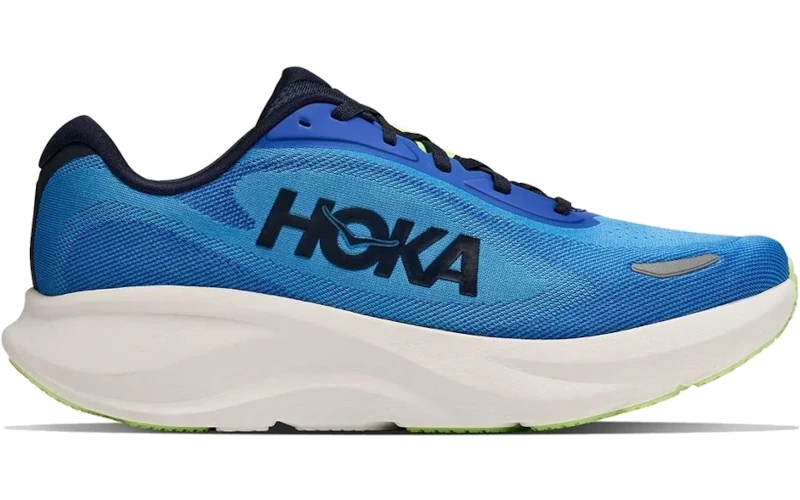 Rincon 5 |
Role in the Running Shoe Rotation
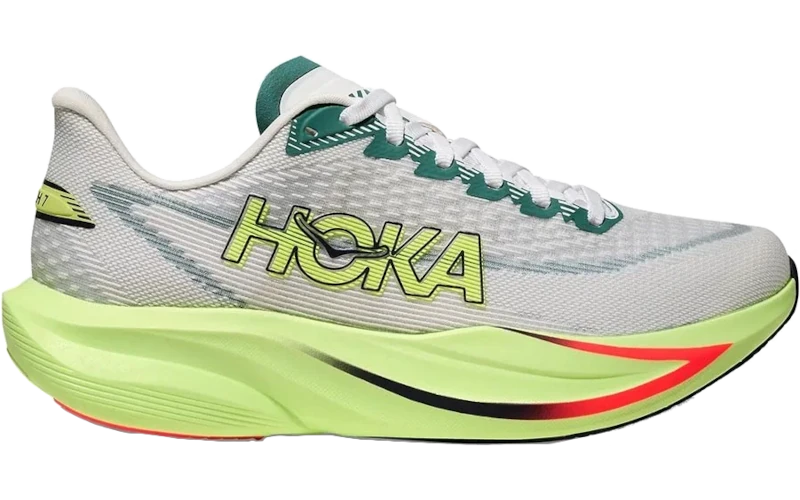
Arahi 9 can serve as your primary training shoe in your rotation for relaxed, everyday running. To complement it, consider a lighter and more dynamic model, such as the Hoka Mach 7, which is better suited for faster workouts, strides, or tempo runs. A third option could be a trail running shoe, such as the Hoka Speedgoat 7, which makes traction and protection significantly better on unpaved trails. This setup allows you to use the Arahi 9 as a stable foundation for your daily runs, while selecting the other two models based on the nature of your workout and the surface you’re running on.
| MACH 7 | ARAHI 9 | SPEEDGOAT 7 |
|---|---|---|
 | |  |
| speed training, tempo runs | easy, everyday road run | trail running |
Similar to Hoka Arahi 9
The Hoka Arahi 9 primarily competes with other stability training shoes designed for everyday running. Among the most interesting alternatives are the Asics GT-2000 15, Brooks Adrenaline GTS 25, and New Balance 860 v15. All of them offer additional support, but they differ in how they provide it and in their running characteristics. The Arahi 9 stands out for its high cushioning, rocker, and relatively light, smooth foot roll. You can read more about these and other stability shoes in the shoe guide for stability training models.
| MODEL | STACK HEIGHT (mm) | DROP (mm) | WEIGHT MEN'S (grams) | WEIGHT WOMEN'S (grams) | REGULAR PRICE (€) |
|---|---|---|---|---|---|
| adidas Supernova Solution 3 | 37/29 | 10 | 295 | 237 | 150 |
| Asics GT-2000 15 | 38/30 | 8 | 252 | 221 | 160 |
| Asics Gel-Kayano 33 | 40/32 | 8 | 298 | 259 | 200 |
| Brooks Adrenaline GTS 25 | 35.5/23.5 | 12 | 283 | 249 | 150 |
| Brooks Glycerin GTS 22 | 38/28 | 10 | 289 | 252 | 180 |
| Hoka Arahi 9 | 42/34 | 8 | 276 | 233 | 150 |
| Hoka Gaviota 6 | 36/30 | 6 | 310 | 257 | 170 |
| Mizuno Wave Inspire 22 | 37/27 | 10 | 281 | 241 | 160 |
| New Balance 860 v14 | n/a | 10 | 309 | 243 | 160 |
| New Balance Vongo v6 | n/a | 6 | 303 | 243 | 180 |
| Nike Zoom Structure 26 | n/a | 8 | 322 | 243 | 130 |
| Nike Structure Plus | 42/32 | 10 | 309 | 248 | 180 |
| Saucony Guide 19 | 35/27 | 8 | 275 | 252 | 150 |
| Saucony Hurricane 25 | 38/32 | 6 | 302 | 280 | 160 |
CMEVA and H-Frame – Soft Cushioning with Pronation Control
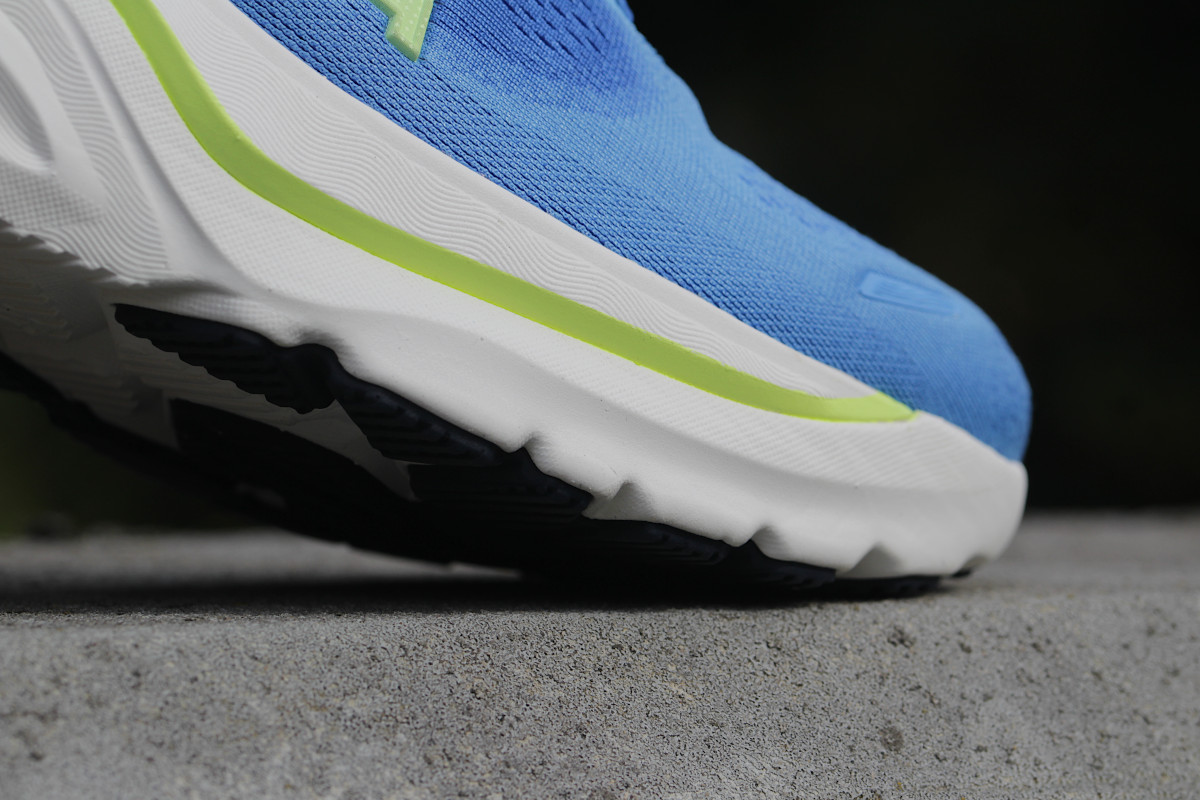
The Hoka Arahi 9 features a dual-density, pressure-molded EVA midsole. Its construction is combined with an improved H-Frame system, which provides stability to the shoe. Unlike solutions that focus support exclusively on the medial side, the H-Frame creates a wider, “H”-shaped structure that stabilizes the entire sole. This is intended to limit overpronation while remaining a fairly versatile solution.
The Arahi 9 also offers a soft and well-cushioned ride. Since the eighth generation, Hoka has shifted this model toward comfort, so it is not a typical, stiff stability shoe. The generous amount of foam makes for good isolation from the ground, and the wide base further enhances the feeling of stability. This is a shoe that combines high—though not maximum—cushioning with a stable construction and will be suitable for runners weighing up to about 90 kilograms.
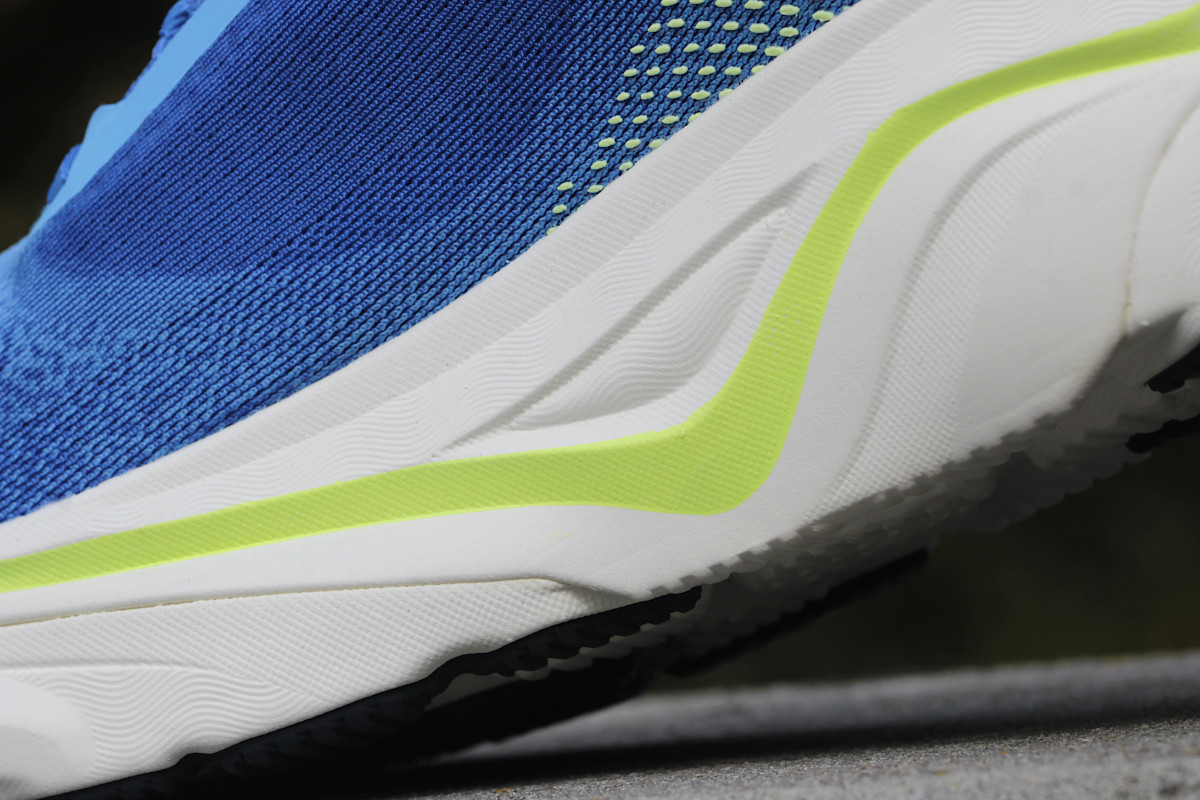
The Arahi 9 retains an 8 mm drop and a sole with a stack height of 42 mm under the heel and 34 mm under the forefoot. The sole’s geometry is also slightly contoured, which promotes a smooth roll of the foot. Add to that the shoe’s light weight—which I’ll discuss further below—and you get a shoe that’s quite pleasant to run “a bit faster” in. Of course, this isn’t a typical shoe for fast running, but for a stabilizing shoe, it’s quite comfortable at slightly faster paces.
In practice, the Arahi 9 remains a shoe for runners who need additional foot movement control but don’t want to sacrifice soft cushioning and a lightweight feel. The stability is moderate and doesn’t overpower the shoe’s ride. Thanks to this, the Arahi 9 can also work well for runners with neutral feet who simply prefer a more stable construction during their daily workouts.
An Outsole Designed for Roads
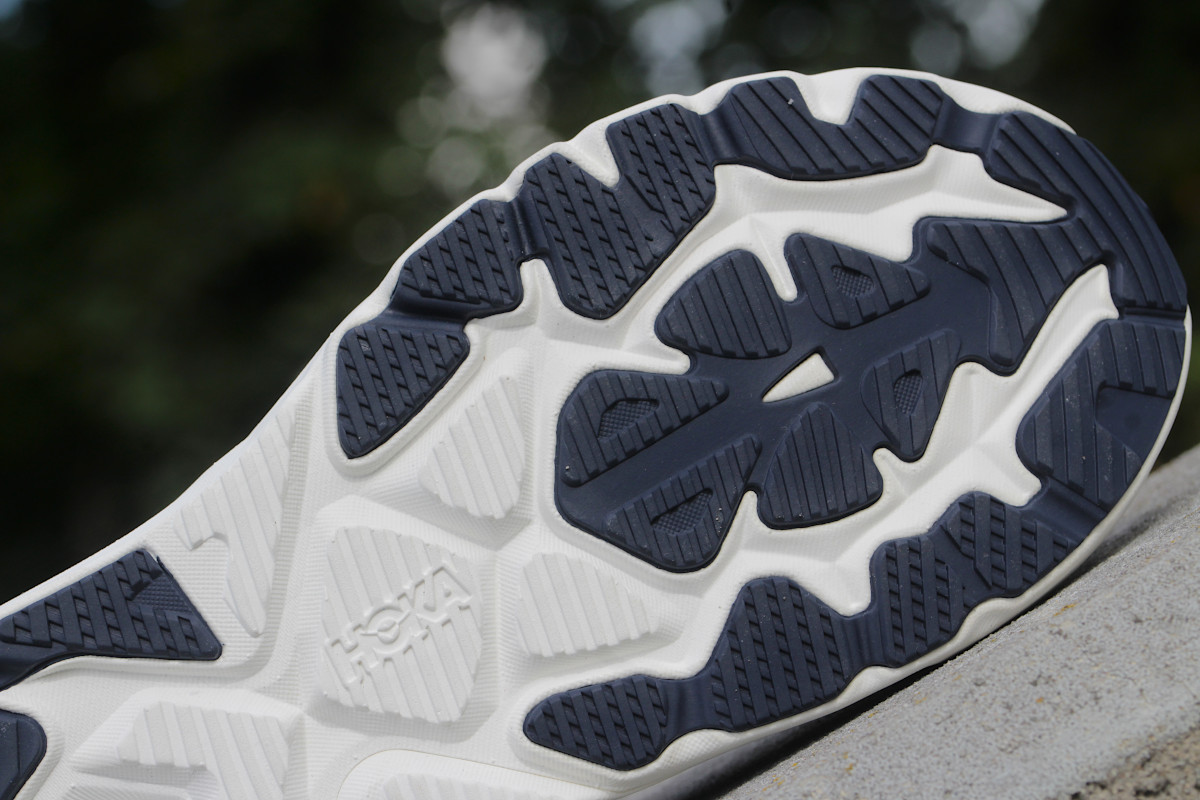
The outsole on the Hoka Arahi 9 is still primarily designed for hard surfaces. You won’t find the aggressive lug pattern typical of trail shoes here. The outsole performs well on roads, sidewalks, and other urban surfaces, making it possible to achieve traction for everyday running. The construction also allows you to easily run on paved gravel roads or compacted forest trails.
However, the Arahi 9 isn’t a shoe you’ll want to take on more demanding trails. On loose gravel, mud, or wet, natural surfaces, the limited outsole depth will quickly become apparent. Additionally, part of the sole remains exposed, so regular running on gravel can accelerate foam wear. If you cover most of your kilometers on road, however, sole durability shouldn’t be a major issue.
Redesigned Mesh – More Support on the Medial Side
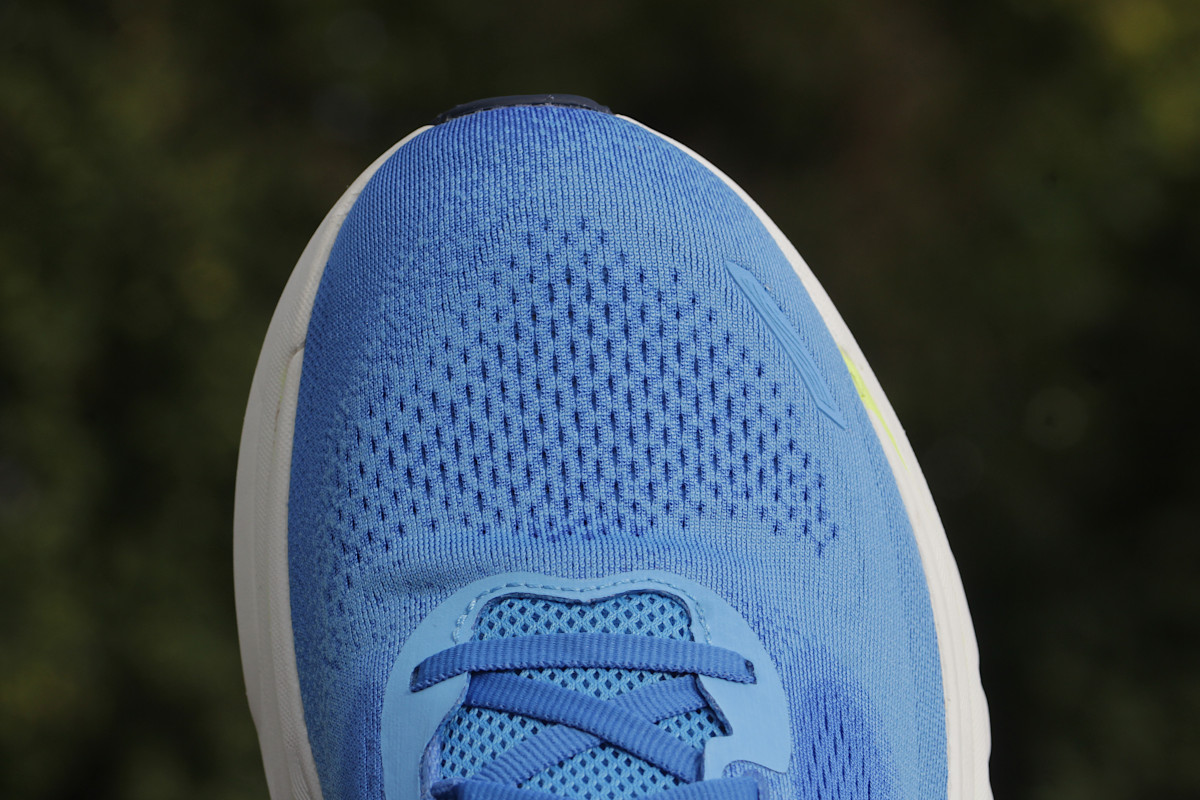
The Hoka Arahi 9 features a redesigned jacquard mesh upper. The construction still uses double jacquard mesh, but the material has been arranged differently in various parts of the shoe. On the medial side, the mesh is denser, making it possible to provide additional support and help keep the foot more secure while running. It’s a small detail, but one that aligns with the characteristics of stabilizing running shoes. The rest of the upper prioritizes breathability and comfort. The material is lightweight, flexible, and thinner in certain areas than in its predecessor, so the shoe should make comfort more noticeable in hot weather.
The Arahi 9 makes moderate toe box space available, but compared to its predecessor, it’s slightly better—that is, wider. The measured width at the widest point is 105 mm, which is 2 mm wider than the previous model. It also feels roomier, and for most feet, this will provide sufficient space. However, if that’s not enough, this model is also available in a Wide version. This is an important advantage for people who need more room in the forefoot.
The tongue also deserves praise. It’s softly padded and tightly integrated with the upper, which feels great in practice. At the same time, the tongue shouldn’t shift side-to-side while running, and its softness ensures that the pressure from the laces is evenly distributed across the midfoot.
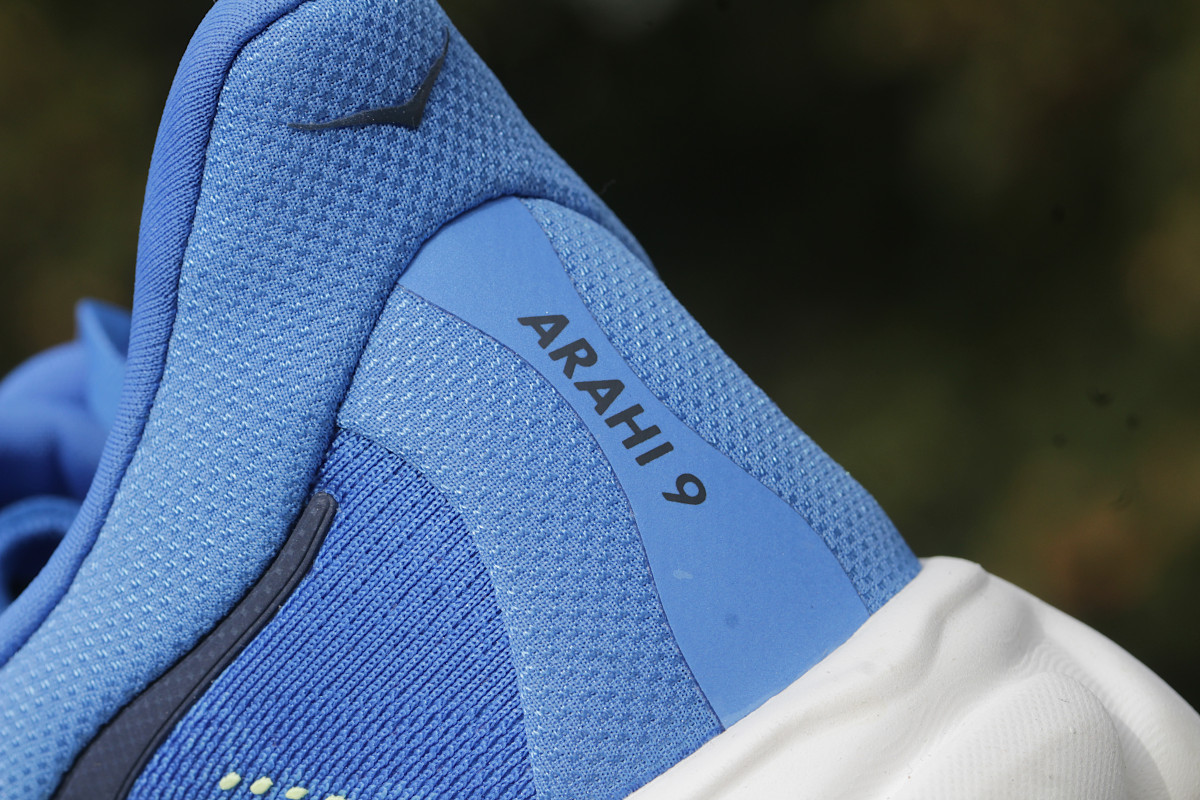
The heel counter of the Hoka Arahi 9 is clearly stiff and provides good support for the back of the foot. It’s not too wide, nor is it too narrow. Nor is the construction excessively high or too aggressive in holding the heel. It works well with the rest of the shoe as a stabilizing element for the foot. The amount of foam inside the heel counter is moderate but sufficient to ensure comfort. The way it fits around the heel is also quite typical for road training shoes. It should suit most runners—not just those who need greater ankle stability.
Lightweight for a Stability Shoe
According to the producer’s data, the men’s version of the Hoka Arahi 9 weighs about 283 grams, and the women’s version about 232 grams. That’s still a good result for a stability shoe with a thick sole, although the Arahi 9 is slightly heavier than its predecessor. In size 12 US, the weight is about 318 grams, which is 11 grams more than the Arahi 8. The difference itself isn’t significant, but it shows the direction of the changes. The Arahi 9 is increasingly prioritizing stability and comfort over the lightest possible weight.
In practice, it’s still a relatively lightweight stability shoe, especially considering the stack and amount of cushioning. However, it’s no longer one of the lightest models in its category.
Summary
The Hoka Arahi 9 continues the direction set by the previous generation but places a clearer emphasis on stability, comfort, and everyday practicality. The dual-layer foam makes a fairly high level of cushioning available, and the improved H-Frame system controls foot movement without the heavy stiffness characteristic of older stability shoes. Another key element of the construction is the redesigned upper with a denser mesh on the medial side. Above all, this is a versatile shoe for daily training for runners who need extra support but don’t want an overly heavy or bulky shoe on their feet.