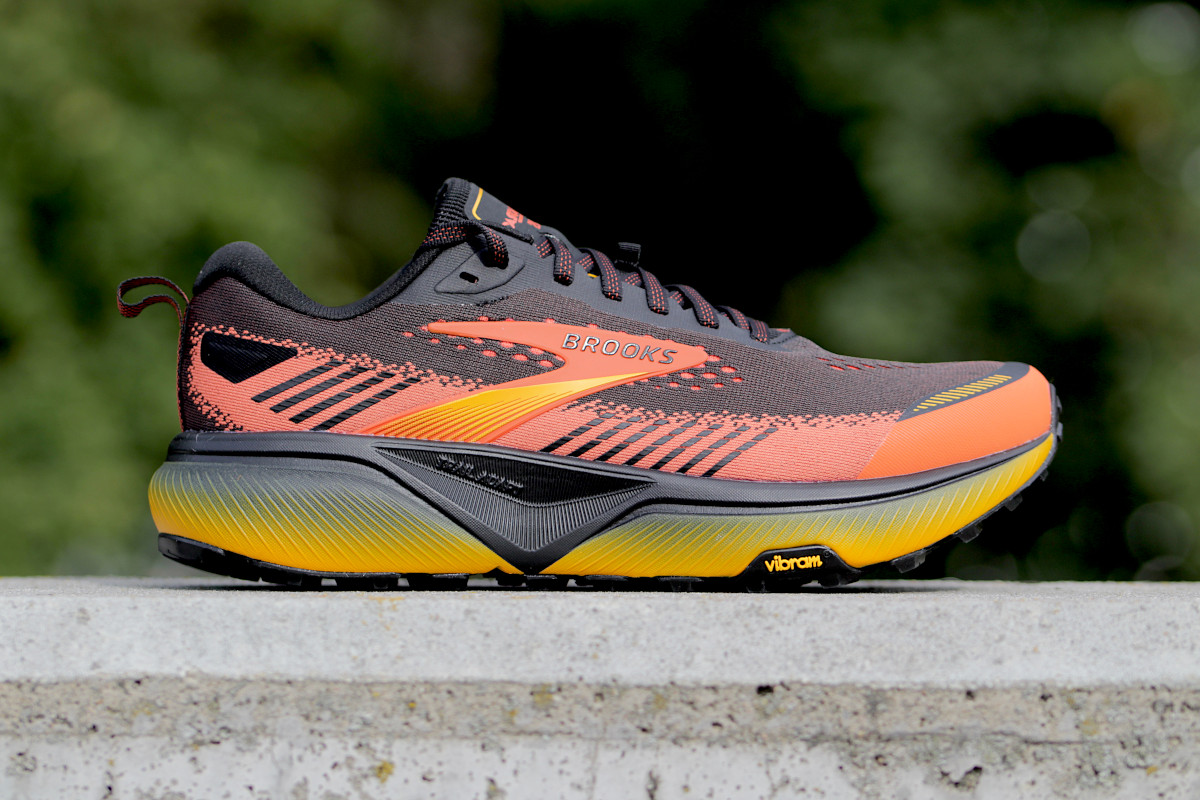
The Brooks Cascadia 20 is the latest iteration of one of the most recognizable trail running shoes on the market. This time, the changes are more significant than a simple generational update would suggest. Brooks has raised the platform, incorporated the new DNA FLASH v2 foam, and – for the first time in the model’s history – has opted for a Vibram Megagrip outsole. The result is more cushioning, better traction, and a more modern feel while running. At the same time, the Cascadia 20 retains its most important strength – a stable and predictable construction built to tackle a variety of trails.
Basic Info
Tech Specs
Best For
The Brooks Cascadia 20 is a versatile trail running shoe that combines ample cushioning, stability, and excellent foot protection. It performs well on both technical mountain trails and during long runs on less demanding routes.
The biggest advantage of this model is its versatility. The Cascadia 20 handles rocky trails, roots, and uneven terrain well, but it also performs reliably on forest roads and gravel trails. Thanks to its high platform and Vibram Megagrip outsole, it can also be a good choice for long trail runs and ultra distances. This model is for runners who want a single, stable shoe that provides good foot protection for most off-road applications.
Pros
- very good Vibram Megagrip traction
- very good stability
- good isolation from rocks,
- very good foot protection
- a sturdy, versatile boot
Cons
- heavy weight
- lacks a distinctly dynamic character
- fairly stiff construction
- above-average ventilation
Key Features – What’s New in the Latest Edition
| CASCADIA 20 | CASCADIA 19 | |
|---|---|---|
| Stack height | 38/32mm | 35/29mm |
| Drop | 6mm | 6mm |
| Weight men’s | 306g | 303g |
| Weight women’s | 275g | 266g |
| Upper | Air Mesh | Mesh |
| Midsole | DNA FLASH v2 – supercritical, nitrogen-infused foam | DNA LOFT v3 – nitrogen-infused foam |
| Outsole | Vibram MegaGrip | TrailTack Green |
Brooks Running Shoes – Lineup
Brooks’ trail collection isn’t overly extensive, but each model has a clearly defined purpose. Cascadia 20 is the most versatile option. It combines ample cushioning, stability, and foot protection, making it well-suited for both forest trails and demanding, technical trails. The Catamount 4 has a completely different character, prioritizing lighter weight, performance, and speed. This model is for runners who want to run in the mountains at a more athletic pace or compete in races. The Brooks lineup also includes more specialized constructions, such as the Cascadia Elite, designed for racing, and models geared toward greater cushioning and long runs, like the Caldera.
You can find a complete shoe guide for Brooks trail running shoes in our Brooks running shoe review.
| TRAIL SPEED | TRAIL COMFORT | MIXED TERRAIN | |
|---|---|---|---|
| maximum cushioning | 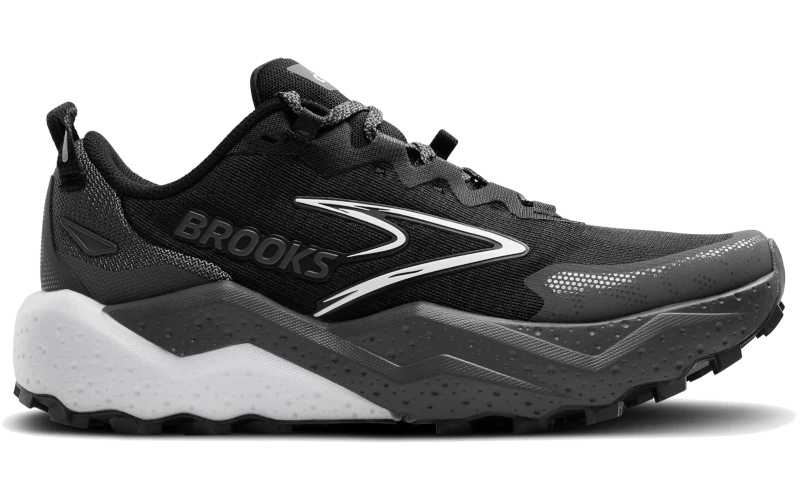 Caldera 8 | ||
| very high cushioning | 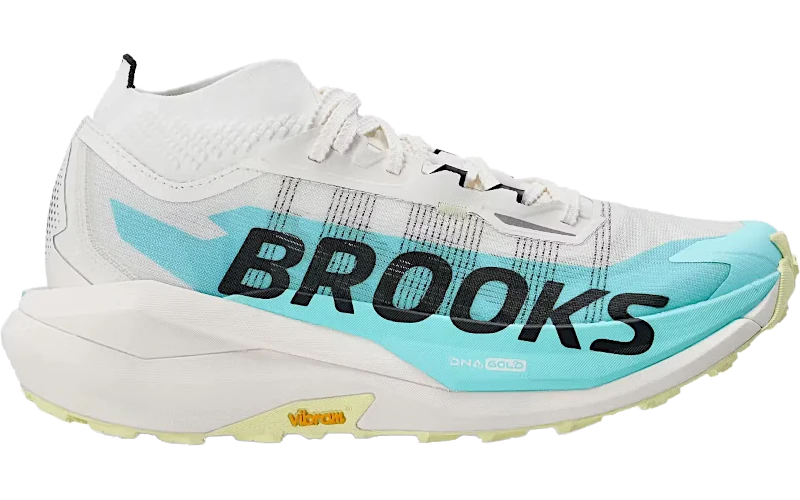 Cascadia Elite | 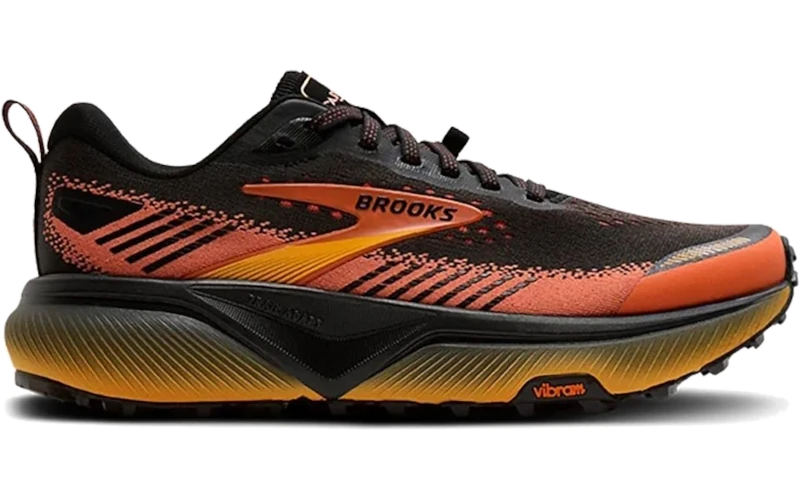 Cascadia 20 | 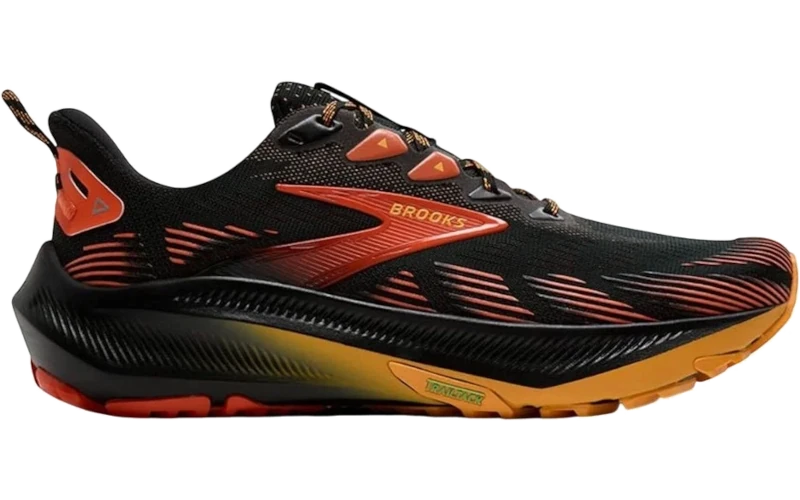 Ghost Trail |
| high cushioning | 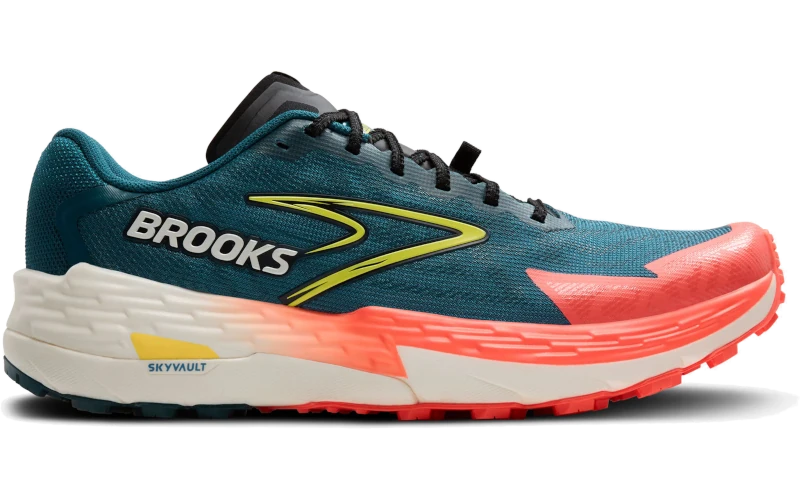 Catamount 4 |
Role in the Running Shoe Rotation
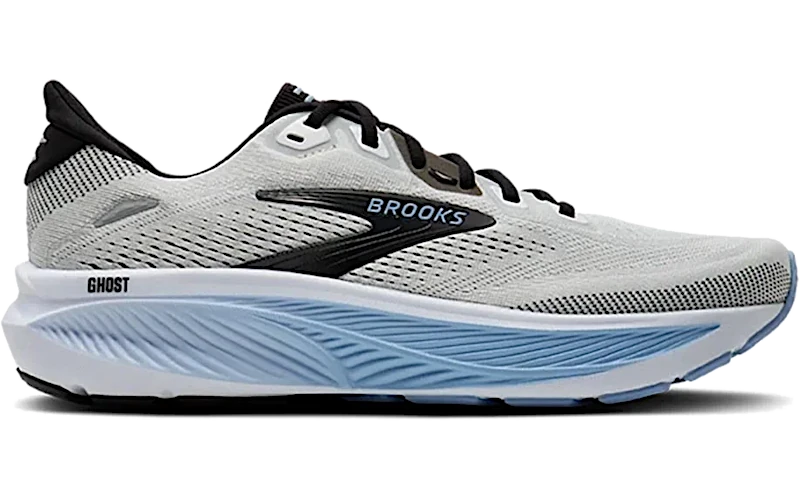
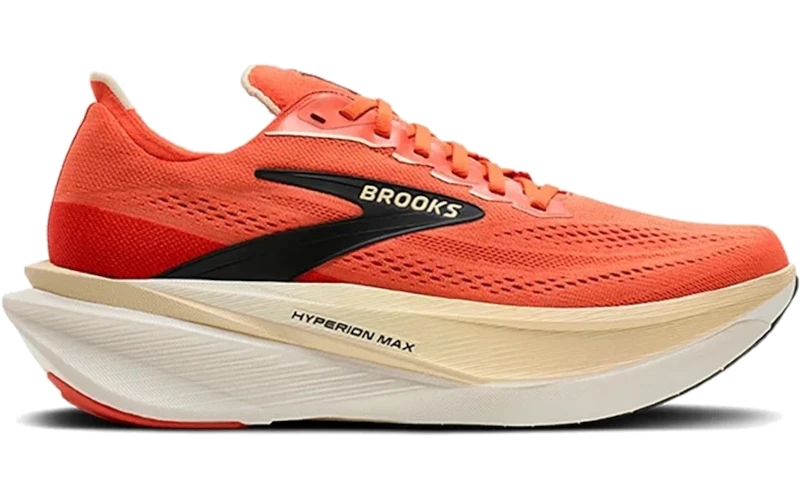
The Cascadia 20 works well as a versatile trail shoe in a running rotation. So it’s a good idea to pair it with two models designed for running on road. The Ghost 18 can serve as your primary daily trainer for easy, longer runs, while the Hyperion Max 4 handles faster sessions, such as tempo runs or intervals. The Cascadia 20 then becomes your go-to shoe for forest trails, gravel paths, and more challenging mountain trails. This rotation covers virtually the entire spectrum of daily training – from easy runs, through faster intervals, all the way to trail running.
| CASCADIA 20 | GHOST 18 | HYPERION MAX 4 |
|---|---|---|
|  |  |
| trail running, mountain | daily running | speed training, races |
Similar to Brooks Cascadia 20
The Brooks Cascadia 20 belongs to the most versatile segment of trail running shoes. These are models designed to handle everything from forest trails and gravel paths to more demanding, technical routes. If you’re looking for a similarly versatile shoe, you should definitely check out the Hoka Speedgoat, Asics Trabuco, or Salomon Genesis. However, individual models differ in terms of foot guidance, cushioning, and running feel. The Cascadia 20 remains one of the more stable and predictable options in this group. That said, it isn’t particularly lightweight or designed for fast running, so those looking for a more dynamic trail shoe may want to consider lighter constructions.
Another alternative could be the Saucony Peregrine if a better feel for the ground and a more athletic ride are your priorities. On the other hand, runners who prioritize maximum cushioning should look at models with an even higher midsole. The Cascadia 20, however, remains a very good compromise between comfort, protection, stability, and versatility.
| MODEL | STACK HEIGHT (mm) | DROP (mm) | WEIGHT MEN'S (grams) | WEIGHT WOMEN'S (grams) | REGULAR PRICE (€) |
|---|---|---|---|---|---|
| Asics Trabuco 14 | 35/27 | 8 | 281 | 249 | 150 |
| Brooks Cascadia 20 | 38/32 | 6 | 306 | 275 | 150 |
| Hoka Challenger 8 | 31/26 | 5 | 266 | 232 | 160 |
| Hoka Speedgoat 7 | 37/33 | 5 | 275 | 235 | 160 |
| inov-8 Trailfly V2 | 28/22 | 6 | 281 | 281 | 160 |
| Nike Wildhorse 10 | n/a | 8 | 300 | n/a | 150 |
| Salomon Genesis | 30/22 | 8 | 269 | 242 | 160 |
| Saucony Peregrine 16 | 33/29 | 4 | 294 | 246 | 150 |
Cushioning: More Foam, More Possibilities
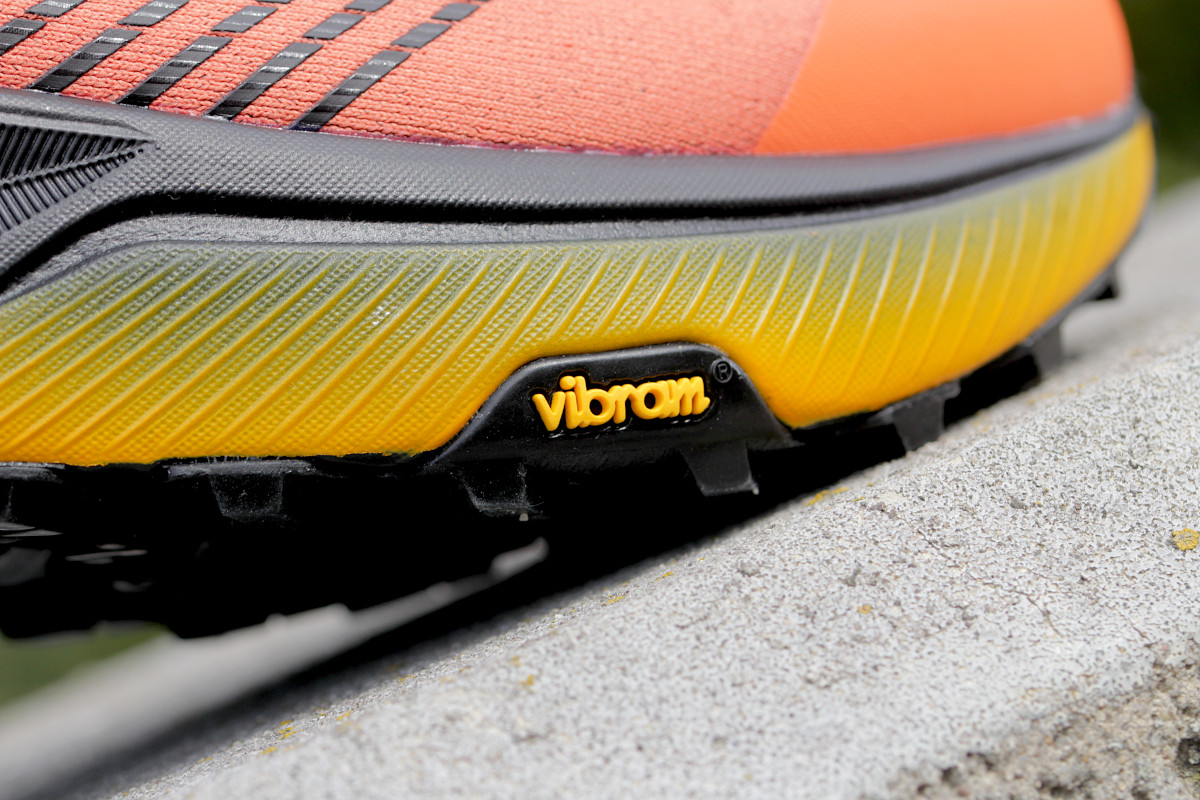
The Cascadia 20 features one of the biggest changes to the midsole construction in the model’s history. Brooks has incorporated DNA FLASH v2 – a lightweight, nitrogen-infused foam – which replaces the previously used DNA LOFT v3. At the same time, the stack height has been increased by 4 mm. The Cascadia 20 now measures 38 mm at the heel and 32 mm at the forefoot, while maintaining a 6-mm drop. This is significantly more cushioning than in the previous generation, but the shoe’s character remains far from that of a soft, deeply cushioned trail runner.
DNA FLASH v2 gives the Cascadia 20 a more springy and responsive feel. However, this foam isn’t primarily designed for performance. Its purpose is to combine protection, comfort, and adequate control on uneven terrain. The higher platform does a great job of isolating your foot from rocks and other uneven surfaces, which you’ll especially appreciate during long runs. At the same time, the sole remains relatively compact and stable. As a result, the Cascadia 20 doesn’t feel like a tall, unstable shoe.
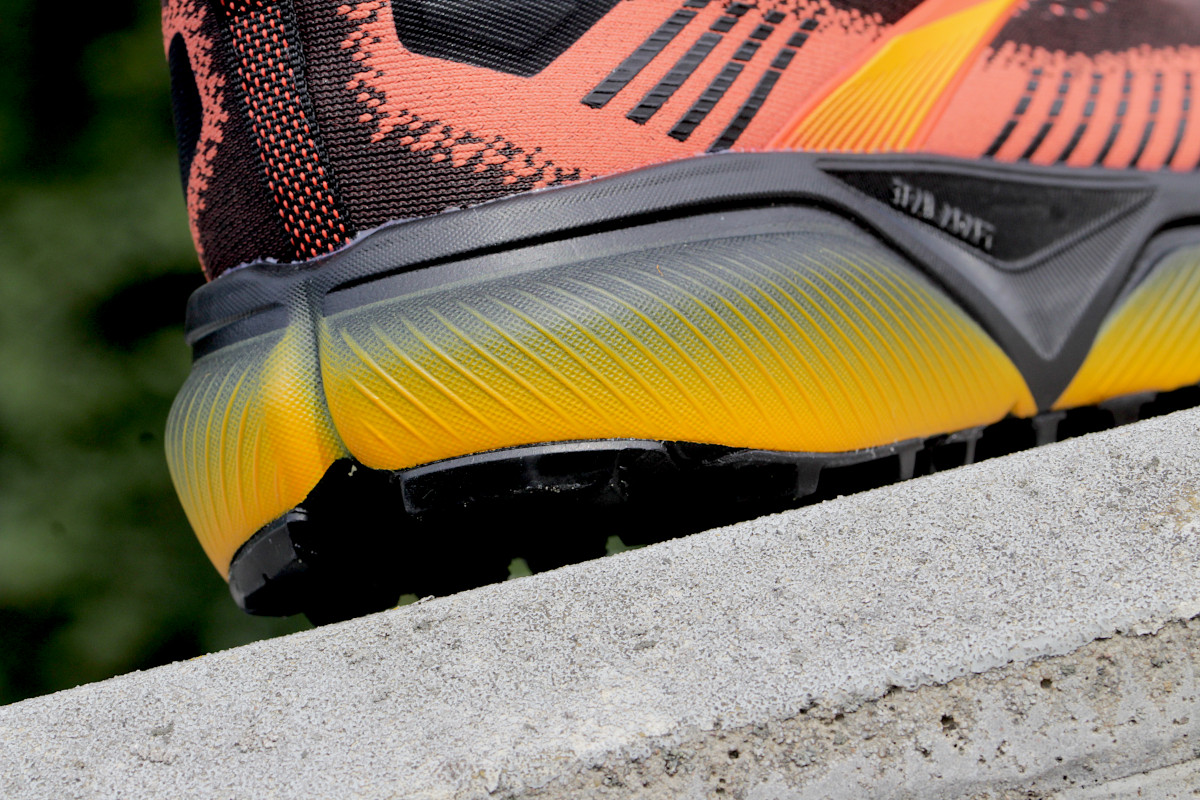
The way the shoe protects against hard terrain has also changed. Brooks has done away with the separate Ballistic Rock Plate in the forefoot. However, a greater amount of foam makes adequate isolation possible, and the more flexible construction allows the shoe to better adapt to uneven terrain. This solution fits well with the character of the Cascadia 20 – instead of stiffening the shoe with an additional component, Brooks utilizes a higher platform and the properties of the new foam.
The Cascadia 20 is still not a shoe that impresses with its performance. You won’t find an aggressive rocker here, nor a construction geared toward a fast foot roll. However, the new foam makes this version more responsive than its predecessors. As a result, we get a bit more comfort without sacrificing stability and control. This cushioning is designed primarily for long and varied trail running, not for breaking records on the trail.
An Outsole That Provides Confidence on the Trail
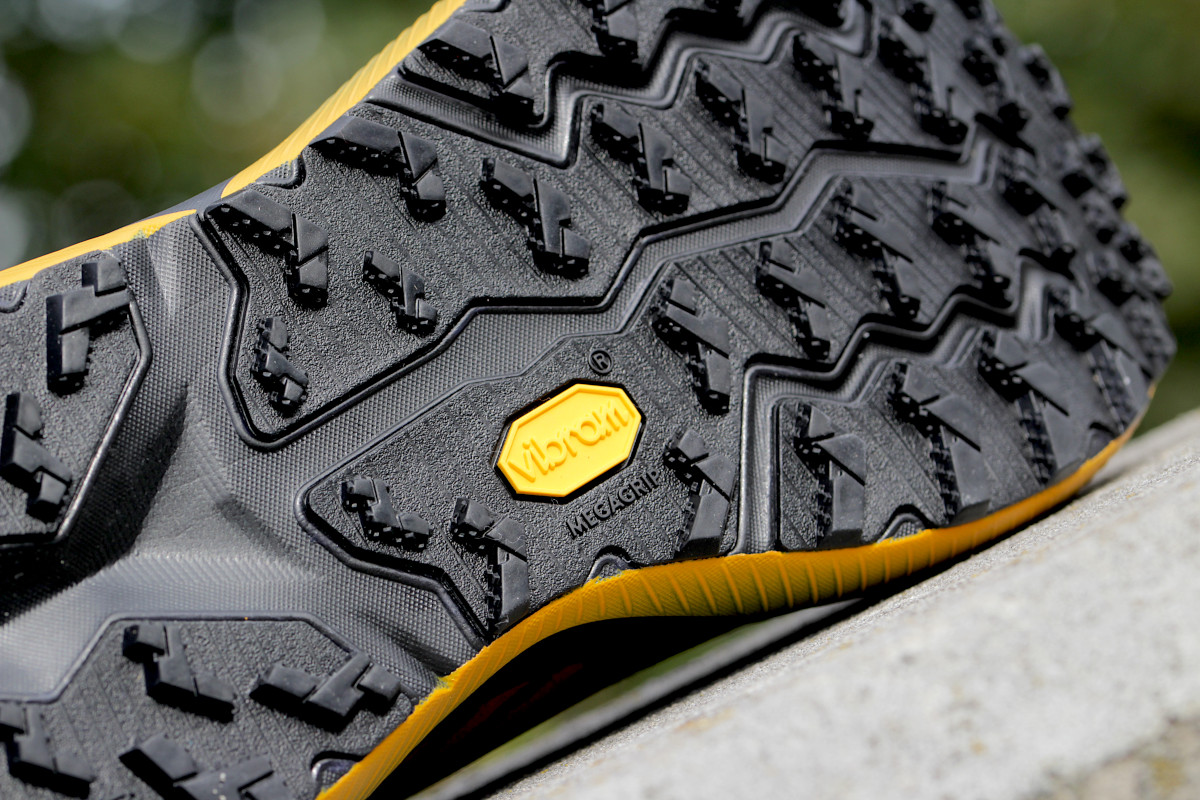
In the Cascadia 20, Brooks has used Vibram Megagrip for the first time, replacing the proprietary TrailTack Green compound used in the previous generation. This is one of the most significant changes in the new model. The outsole features 4-millimeter lugs, whose multidirectional arrangement is designed to provide traction during both hills and descents.
Vibram Megagrip is a great fit for the Cascadia 20’s character. The rubber makes excellent traction possible on hard and rocky surfaces, as well as on wet rocks and roots. At the same time, the 4-millimeter outsole isn’t overly aggressive. Thanks to this, the Cascadia 20 remains versatile and performs well on gravel, paved forest trails, and other flat, fast trail sections.
Durability is also important. Megagrip is one of Vibram’s most highly regarded compounds used in trail running shoes. In the Cascadia 20, it forms a solid protective layer underfoot and allows you to take advantage of the shoe’s high cushioning even on rockier trails. As a result, you get a very good balance between traction, versatility, and durability.
Upper: Secure Foot Support
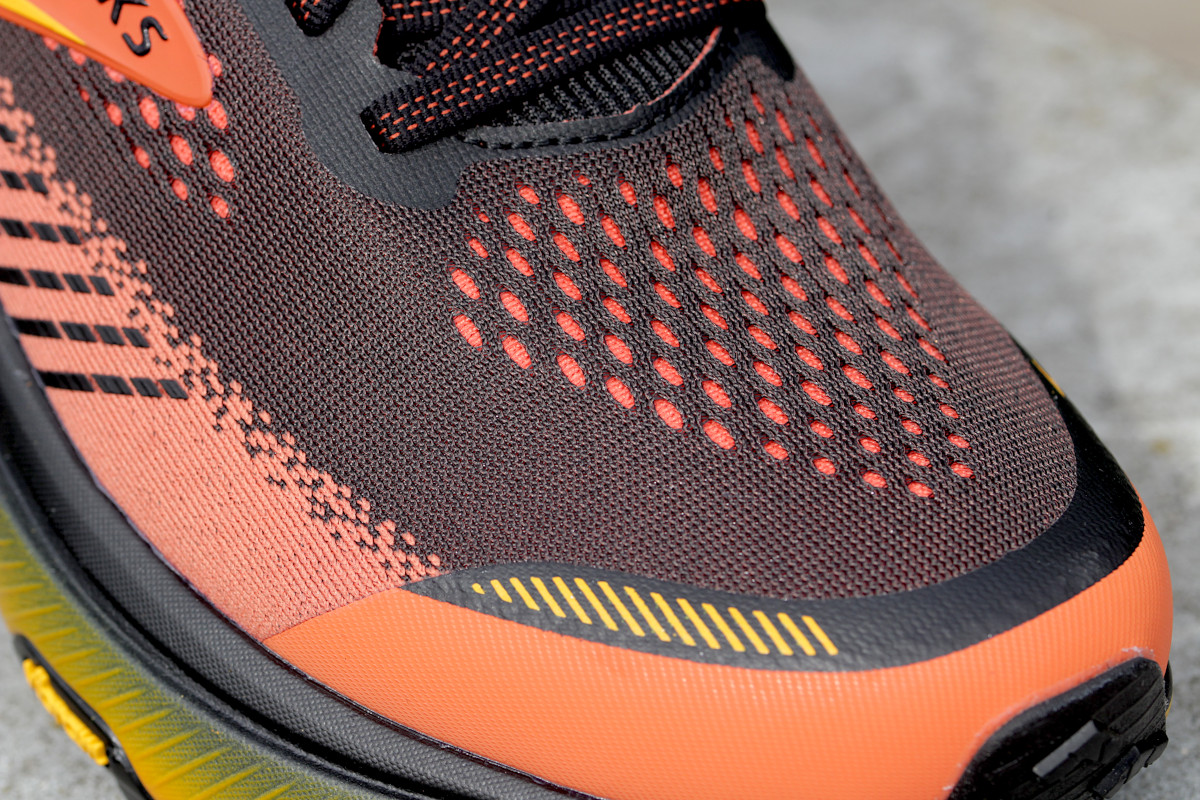
The Cascadia 20’s upper was designed primarily with a stable and secure fit in mind. Brooks used a breathable technical mesh and added reinforcements in areas prone to contact with the ground. The front of the shoe is protected by a sturdy “toecap” that shields the toes from impacts with rocks and roots. The design is complemented by a reinforced rand running around the base of the upper. The construction thus appears well-suited for regular contact with rough terrain.
Ventilation is decent, but the Cascadia 20 isn’t among the most breathable trail running shoes. The upper is relatively sturdy and features a lot of material, which improves protection and durability, but in very warm conditions, this can cause the foot to overheat. In cooler months, however, this characteristic is an advantage.
Compared to previous generations, the fit of the forefoot has changed significantly. The Cascadia 20 is relatively narrow in the toe box. This improves foot control on technical sections, but runners with wide feet may need more space. Brooks also offers a Wide 2E version of the Cascadia 20, which will be a better choice for runners who need more room.
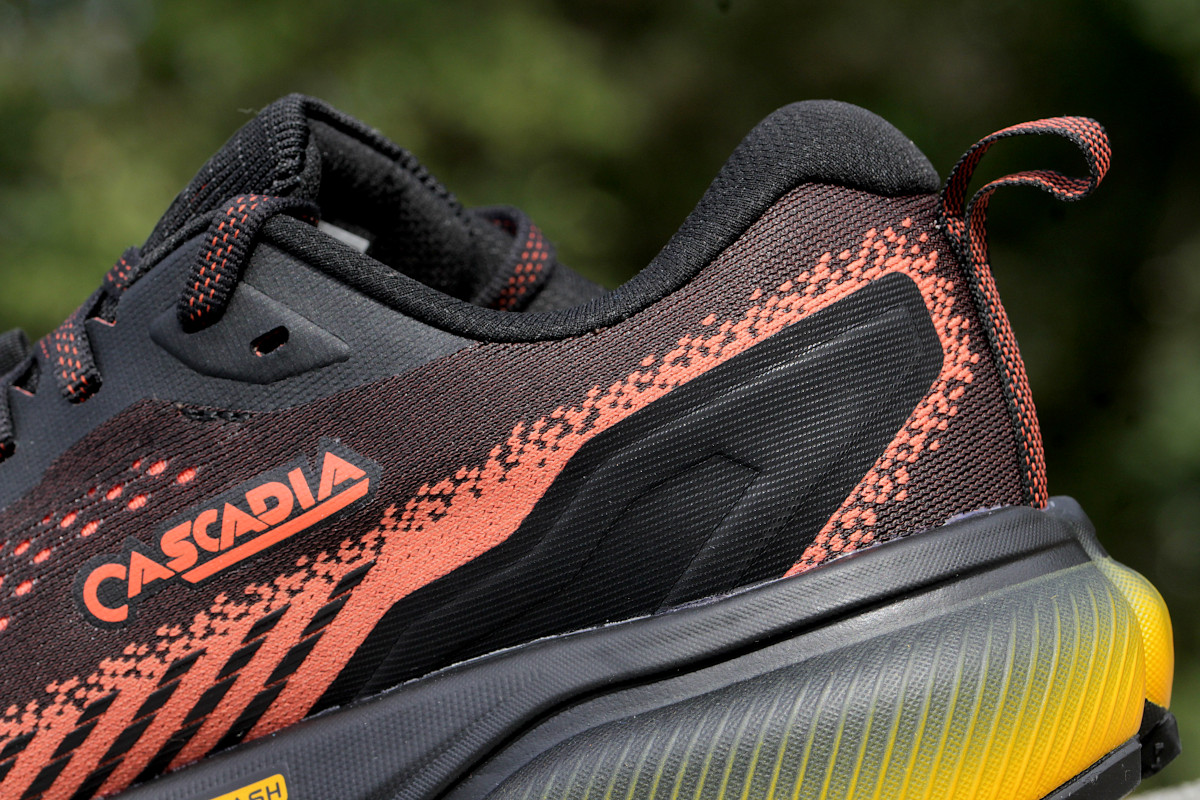
Also worth noting is the tongue integrated into the upper. It limits movement while running and helps maintain a consistent fit. The tongue is thick and generously padded with foam, so even when the laces are tightened firmly, there’s no uncomfortable pressure on the instep. The construction also features a practical element typical of Brooks trail shoes: an elastic loop that secures the ends of the laces.
The back of the upper, on the other hand, is very well secured. A stiffened heel counter holds the heel firmly in place, while soft padding enhances comfort without compromising foot support. Combined with the wide sole base, this provides a sense of considerable control. The Cascadia 20 doesn’t try to cocoon the foot like a soft training shoe. Its primary purpose is to keep the foot in place when the terrain gets really uneven.
Weight: The Price of Protection and Stability
The Cascadia 20 isn’t exactly a lightweight trail shoe. According to the producer’s specifications, it weighs 306 grams in men’s sizes and 275 grams in women’s sizes. In my size, 12US, the weight is naturally higher, at 347 grams. But that shouldn’t come as a surprise. The Cascadia 20 features a high cushioning platform, a robust upper, and a very sturdy outsole covered in Vibram Megagrip rubber. It’s a construction focused primarily on protection, stability, and durability – not on shaving off every gram.
Interestingly, despite the stack increasing by 4 mm, the Cascadia 20 isn’t heavier than its predecessor. The lighter DNA FLASH v2 foam helped make this possible. As a result, we get more cushioning without a proportional increase in weight. About 300 g in men’s sizes is still quite a lot, though. The weight is particularly noticeable when trying to run faster. In exchange, the Cascadia 20 offers a great deal of protection and stability. So it’s a deliberate trade-off – less lightness, but more confidence on rough terrain.
Summary
The Brooks Cascadia 20 has a construction with significantly greater capabilities than its predecessor. The new DNA FLASH v2 foam, a higher platform, and the Vibram Megagrip outsole make for more cushioning, better protection, and excellent traction. At the same time, the Cascadia has retained what this series has been preferred for over the years – stability, predictable handling, and great versatility. This is no longer just another Cascadia. The 20th generation takes a clear step toward a more cushioned and modern trail shoe, without sacrificing the character that has made this model one of Brooks’ most recognizable trail shoes.