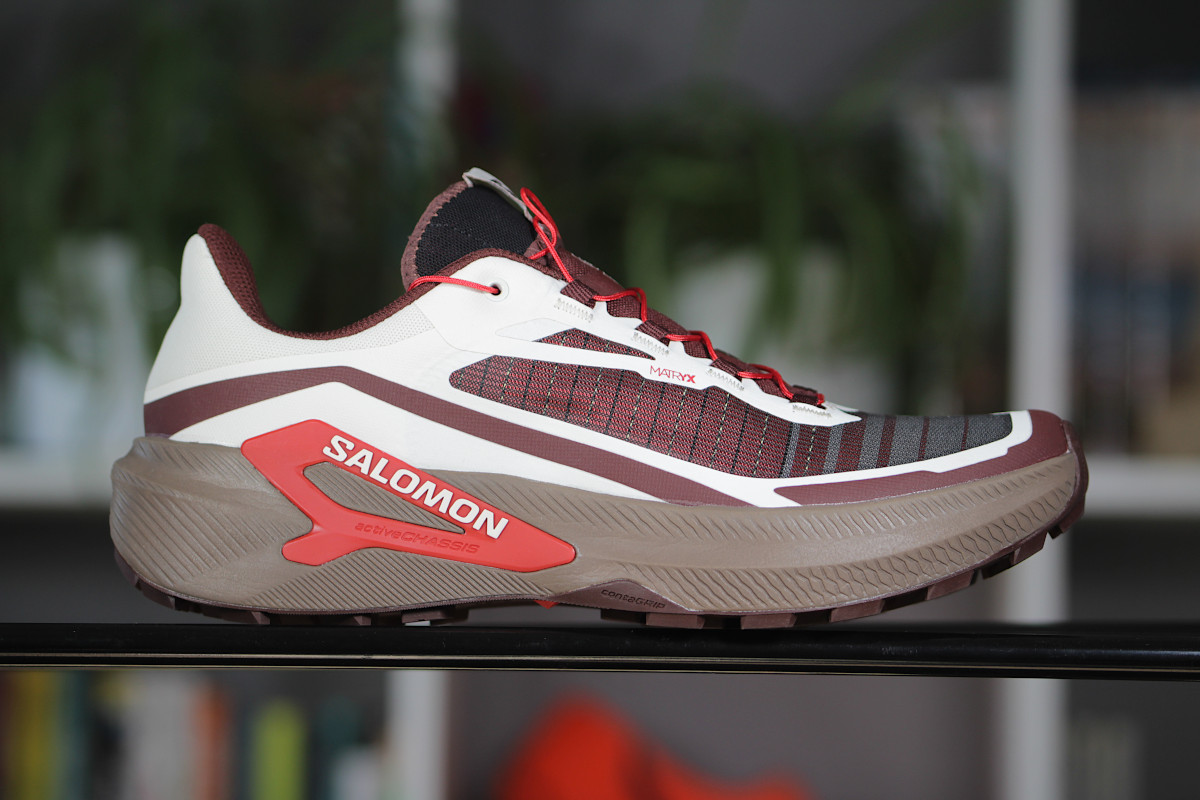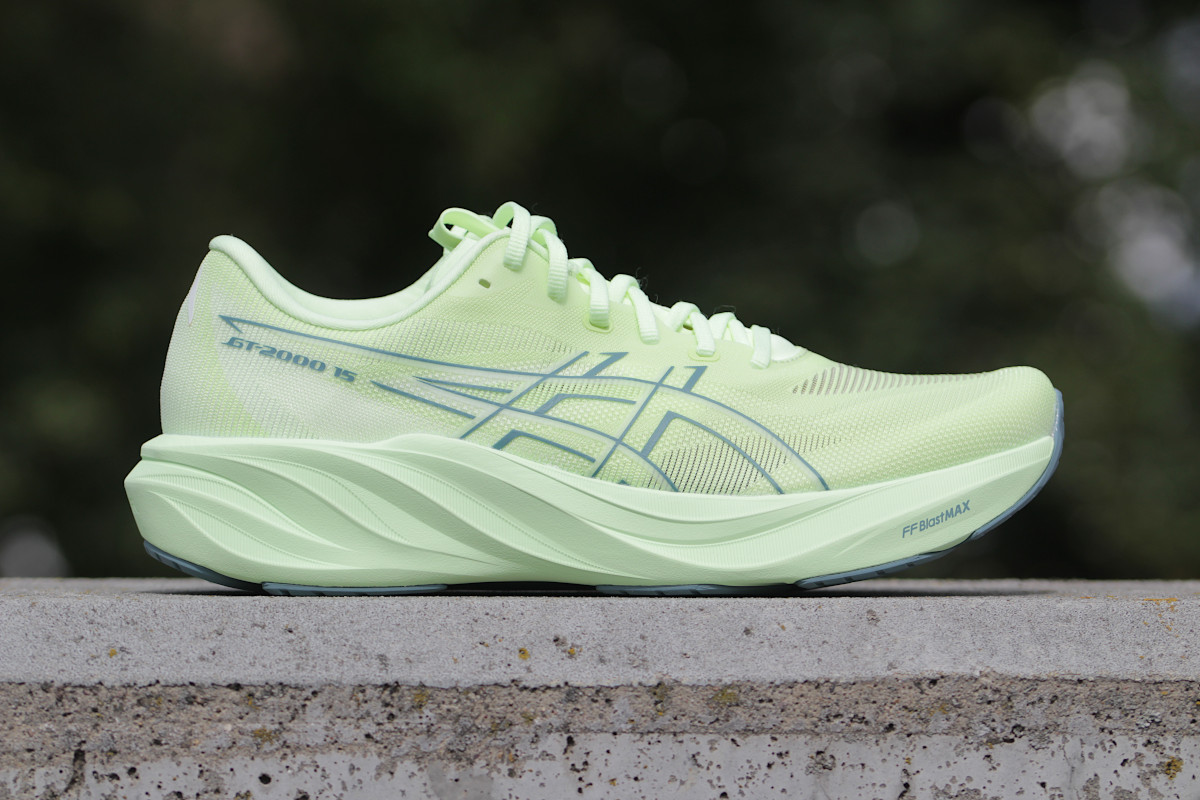
Are you just starting to run and don’t understand half the conversations in running groups? Someone posts a “personal best,” talks about “warming up” or “running in the red,” and you’re wondering what it all means? Don’t worry. The world of running, like any other, has its own language. Some terms come from sports training. Others are typical runner slang. Below you’ll find a practical running glossary for beginners. Short, to the point, and without unnecessary complications.
#1 Achilles
A colloquial term for the Achilles tendon or… problems with that tendon.
#2 Bib number
A card with a number pinned to the shirt. During organized races, each runner has their own number.
#3 Cadence
The number of steps taken per minute.
#4 Carbon-plated shoes
A shoe with a carbon plate that improves running dynamics.
#5 Cool-down
A gentle jog or walk after a workout. Especially important after intense workouts.
#6 Cushioning
The level of shock absorption provided by a running shoe. Generally, the higher the level, the softer the sole of the shoe.
#7 Drop (in shoes)
The difference in sole height between the heel and the toes in a running shoe. Sometimes important from the perspective of running technique.
#8 Easy run / easy miles
A relaxed, low-intensity run. An easy run is at an intensity where you can comfortably hold a conversation.
#9 Energy gel
Quick energy for long runs. Usually comes in a tube and has a semi-liquid consistency.
#10 Fartlek
A form of training that involves playing with pace. Sometimes fast, sometimes slow – without a set pattern, you accelerate “by feel.”
#11 Foam rolling
Relaxing muscles after a workout using a foam roller. More runners talk about this than actually do it.
#12 Heart rate zones
Exercise zones based on heart rate. They help you train smart. There are usually about five zones, and the higher the zone, the greater the effort. Training in the first zone is slower than a jog. Training in the fifth zone is running “at full speed.”
#13 Hills
Running uphill to improve muscle strength. Performed on an incline, such as a sloped street, overpass, or hill. Typically done in sets, e.g., 8 sets of 100-meter hill sprints.
#14 Hitting the wall
A sudden loss of strength and energy during a run. This can happen both in competitions and during training. It very often occurs after the 30-kilometer mark of a marathon.
#15 Intervals
Fast segments over a specific distance interspersed with slow running or walking. For example – six segments of one kilometer each with a minute of jogging in between
#16 ITBS
A common injury among runners, also known as “runner’s knee.” It usually hurts on the outer side of the knee.
#17 Key Workout
The most intense part of a given day’s workout or the most intense training session (the most exhausting run) of a given week.
#18 Locked into pace
Running at a steady, controlled pace. Without fluctuations. This often means that the runner maintains a consistent pace from start to finish.
#19 Long run
The longest training session of the week. Usually covering a distance of 10 to 20-plus kilometers. Especially popular in preparation for a half-marathon and marathon.
#20 Marathon
A 42-kilometer race – finishing it is the dream of many runners. Similarly, there is also the half-marathon, a 21-kilometer race.
#21 Negative split
A strategy in running competitions where the second half of the race is faster than the first. Usually desirable, as it means you had enough energy to last until the very end of the race.
#22 Off-season
A more relaxed period after the end of the season or target race. Usually takes place in the fall.
#23 Overpronation
A condition in which the ankles roll inward while running. From a distance, it looks as if the ankles – and sometimes even the knees – form an X shape.
#24 Pace
The time it takes to run 1 kilometer. For example, a pace of 5:30 min/km means you run one kilometer in five and a half minutes
#25 Pacemaker
A person who leads the race during a competition to achieve a specific result. This person is often also called a “pacemaker” in English
#26 Personal best (PB)
The best result achieved over a given distance. E.g., a personal best in the 10K or in a marathon.
#27 Race shoes
A lighter model of running shoes used for competitions.
#28 Shin splints
Pain in the shins, often caused by overuse and common among beginners.
#29 Shoe rotation
Using several pairs of shoes with different characteristics for different workouts. For example, one pair for long, slow runs and another for short, fast runs.
#30 Soreness
Muscle pain and stiffness that occur a few or several hours after a workout. They most often occur after an intense run, interval training, or when resuming training after a break.
#31 Split time
The time it takes to run a specific segment of a given race. This segment is usually 1 kilometer. Thus, after a 10-kilometer run, you have 10 split times.
#32 Strides
Short, brisk bursts of speed usually performed at the end of a workout.
#33 Supination
The way the foot lands while running. With supination, the foot rolls more on the outer side. From a distance, it looks as if the ankles and even the knees form an “O” shape.
#34 Target race
The most important race of the year or half-year. A competition for which you train for a long time to perform at your best.
#35 Tempo run
A more intense workout where you maintain a brisk, fast pace from the start. This is usually done when you’re already fatigued.
#36 Test race
A run to assess your current fitness level.
#37 Training plan
A set schedule of runs for a week or a month. Runners often also have a training plan for the next six months, culminating in a target race.
#38 Training shoes
Everyday running shoes for relaxed workouts. The ones runners use most often.
#39 Training volume / mileage
The total number of kilometers run per week (or per month).
#40 Zones (I, II, III)
A classification of training intensity. From light to intense. Running in the first zone is easy and relaxed. Running in the third zone is fast and very tiring.