Trail running is more than just switching from road to a forest trail. This type of training is different; it engages your body in a different way and lets you take a break from the daily rush. If you’ve been avoiding forest trails so far, maybe these are enough to see them from a completely different perspective. Here are five reasons why you might come to enjoy trail running.
Pace Takes a Back Seat
Compared to road running, you usually run slower on trails. Even on a seemingly easy forest trail, your pace is often a few to several seconds per kilometer slower. Although the trail may seem flat, in practice you have to react to uneven terrain almost constantly. Roots, rocks, ruts, mud, and puddles mean that every step can feel a little different. It’s harder to maintain a steady pace and mindlessly clock up the kilometers.
This is one of the greatest advantages of trail running. Instead of focusing on pace, it’s better to concentrate on the run itself and adjust your effort to the conditions. Glancing at your watch takes a back seat, and what matters most is covering the kilometers and enjoying the run.
Varied Terrain Naturally Builds Strength and Endurance
When you run on roads and sidewalks, the surface is predictable – smooth, straight, boring. Once you find the right rhythm, you can run for many kilometers almost on autopilot, and every step is as similar as two drops of water.
On forest trails, it’s a completely different story. Every kilometer presents different challenges. One moment there are roots under your feet, the next sand or mud, and a moment later a short hill or a technical downhill. Your pace and stride length change almost constantly. Every step can be completely different from the one before. This engages many more muscles. But it’s not just the muscles. All the tendons and ligaments also work over a wider range, which forces them to develop and generate more strength. The varied terrain naturally improves stability and requires greater concentration. You don’t have to do anything else – trail running will build your strength and endurance on its own.
Every Run Is Different
The weather can surprise you during any run. Not just in the city. Out in the wilderness, there’s also the unpredictability of the trail itself. Even well-known forest trails can look completely different today than they did a few weeks ago. Foresters might widen a section of the trail; elsewhere, the path might be overgrown, a tree might have fallen, or, after heavy rain, mud and deep puddles might appear.
Off-road conditions change much faster than on paved routes. Sometimes these conditions change so much that a single day of rain is enough to turn a dry, hard trail into a muddy mess that you have to go around or simply run through. Other times, a nighttime wind will leave broken branches or fallen trees on the trail.
This is exactly what makes trail running rarely monotonous. Even if you regularly return to the same loop, every workout can look a little different and require you to quickly adapt to the current conditions.
Trail Running Helps You Escape the Stress of Everyday Life
Trail running requires more focus than training on the road. Uneven terrain, roots, rocks, and sudden changes in direction mean you have to keep your eyes on the trail and plan your next steps almost constantly. A moment of inattention can result in a stumble – or, in the worst case, an injury. Focusing on what’s happening right here and now pushes everyday concerns into the background. It’s hard to simultaneously go over your grocery list, mentally reply to emails, and carefully navigate a technical trail.
The result is simple. After finishing the run, your mind feels more refreshed, and the mental reset is often more profound than after a similar workout on the road.
More Nature, Less Noise and Exhaust Fumes
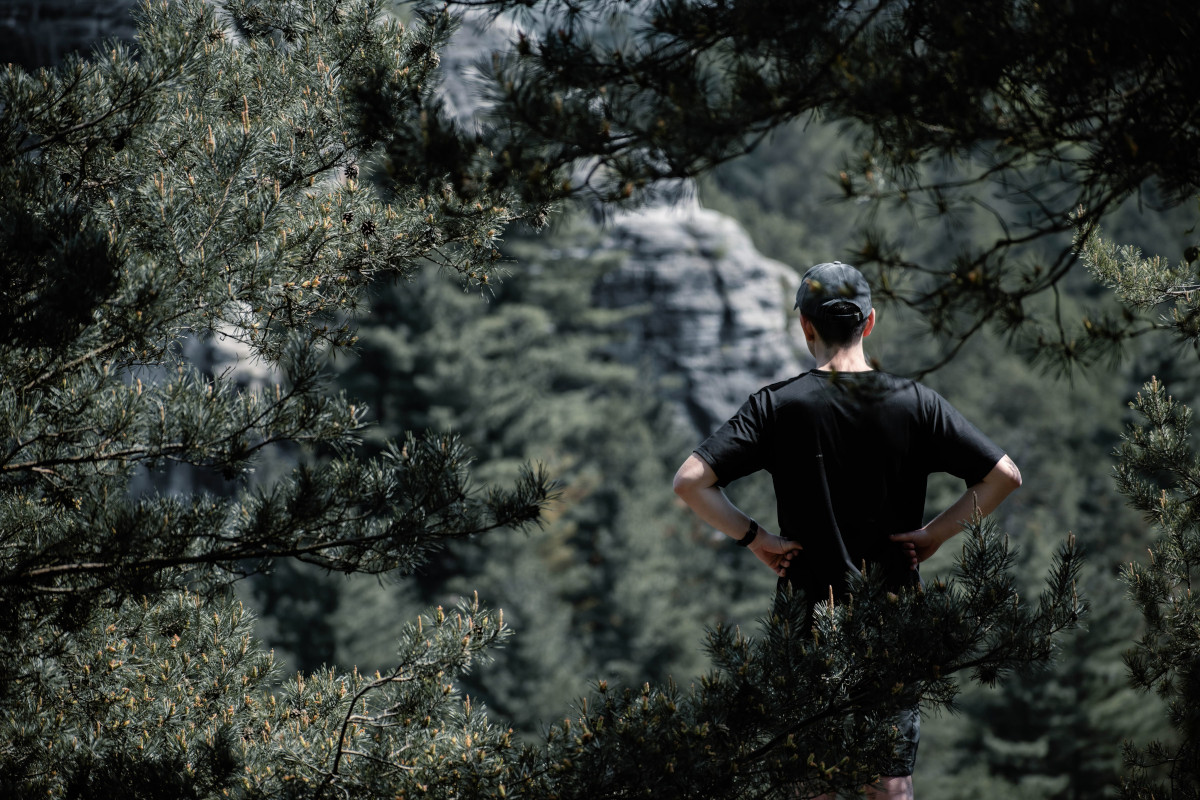
Off-road, there’s often one more element: peace and quiet, and the absence of people. Sometimes you won’t pass a single person on the trail for a long time. Instead of city traffic, you’re surrounded by greenery, trees, and open space. The noise of cars and the constant stimuli of the city fade away. What remains is the rhythm of your footsteps and the natural surroundings. Trees, trails, shifting light, and the scent of nature create conditions that are completely different from those on paved routes.
The air also makes a big difference. Out in nature, it’s usually noticeably fresher and cooler. It’s free of exhaust fumes and smoke, especially if you’re far from buildings. This not only benefits your lungs but also changes how you experience your run, making the effort more comfortable. This combination of silence, greenery, and cleaner air gives you a sense of being cut off from the city. That’s exactly why trail running often acts as a natural reset.
It’s worth a try.