The Nike Structure Plus is the latest iteration of Nike’s running shoes, designed primarily to provide comfort, stability, and protection over long distances. It’s somewhat similar to the already familiar Nike Structure, but with significantly more cushioning and a softer feel. However, it retains the stabilizing character of this series. Is this a good choice for runners who weigh more than the “average” runner and are looking for a soft ride without sacrificing control and stability? Absolutely!
Basic Info
Tech Specs
Best For
The Nike Structure Plus is a highly cushioned training shoe with stabilizing support. It was designed for daily workouts and long runs at a relaxed or moderate pace. It performs best on roads, sidewalks, and paved trails. It’s an excellent choice for runners prone to overpronation and anyone who prefers a soft, comfortable feel while running.
Pros
- very high cushioning
- high level of support for overpronators
- perfect for a smooth and safe run
Cons
- stability is not suitable for people with flat feet
- heavy for a training shoe
- weak performance
Nike Running Shoes – Lineup
Nike (following the example of the Pegasus and Vomero lines) is expanding its Structure family, which comprises running shoes with stability support. Alongside the classic Structure 26, the Structure Plus has been introduced – a more cushioned version designed for runners seeking even greater comfort during daily workouts and long runs.
Need something else? You’ll find a complete shoe guide for each model and its intended use in the Nike running shoe overview.
| NEUTRAL SHOES | STABILITY SHOES | |
|---|---|---|
| maximum cushioning |  Vomero Premium | |
| very high cushioning |  Vomero Plus  Vomero 18  Pegasus Premium | 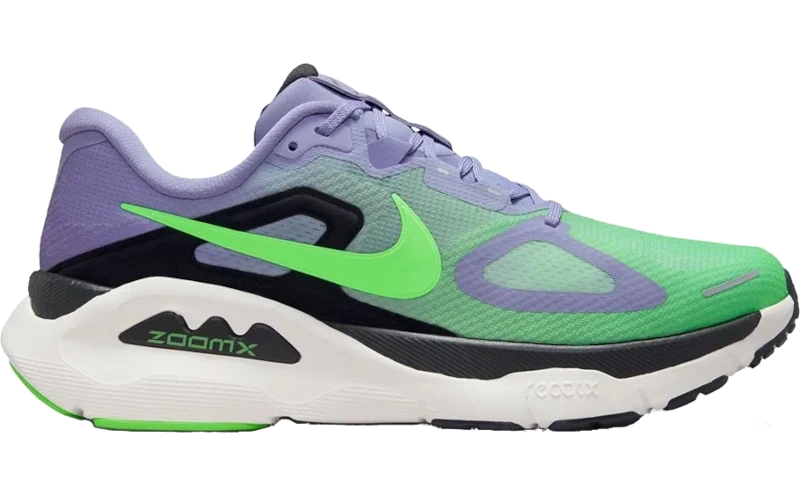 Structure Plus |
| high cushioning | 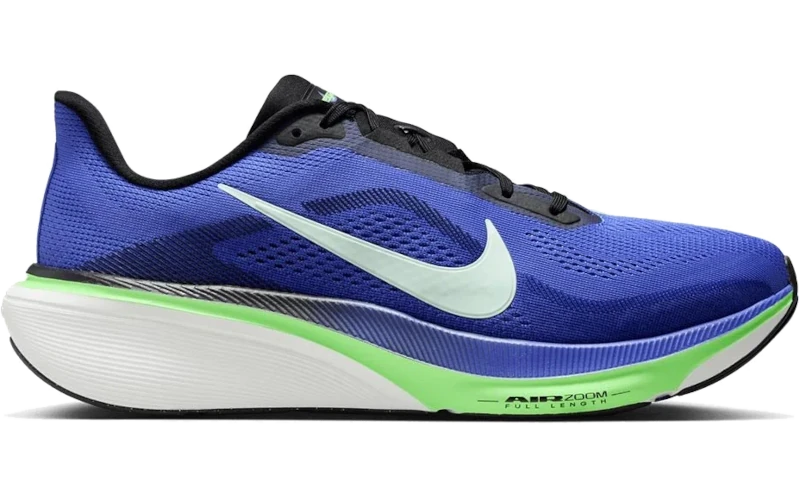 Pegasus 42 | 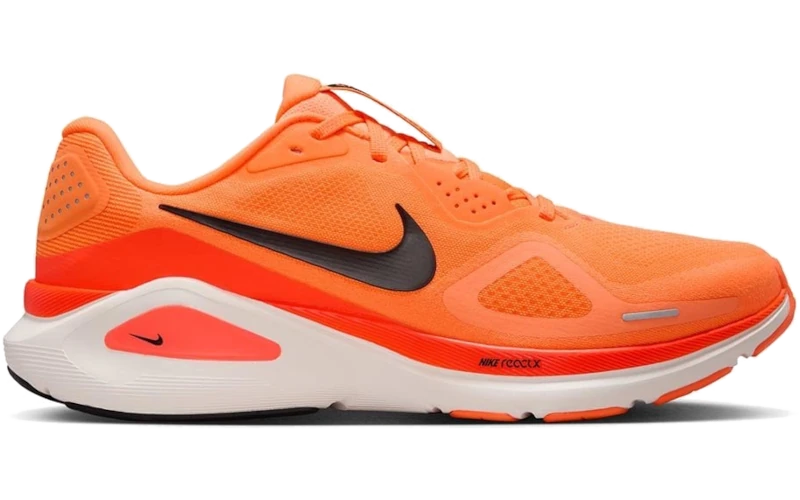 Structure 26 |
| mid cushioning |  Winflo 11 |
Role in the Running Shoe Rotation
The Structure, thanks to its high level of cushioning and stability but limited performance, is the ideal choice for an easy run. It’s also a great option for recovery days and long easy runs. The Pegasus 42, offering the best balance between softness and performance, is a great shoe for everyday running and a staple in your rotation. It’s worth choosing a separate model for speed, since neither the Structure Plus nor the Pegasus is designed for breaking records. The Vaporfly 4 excels in this role. It’s the lightest but also the least durable of the three models, so it’s best to save it for your most important quality workouts and races. That’s when it can truly show its full potential.
| STRUCTURE PLUS | PEGASUS 42 | VAPORFLY 4 |
|---|---|---|
| |  |
| easy, long runs | daily running | tempo run, racaday |
Similar to Nike Structure Plus
Nike isn’t the only brand expanding its line of supportive shoes, and competition in the category of highly cushioned stabilizing models is fierce. Individual constructions differ in terms of support level, cushioning characteristics, and intended use. What sets the Structure Plus apart in this group isn’t the cushioning but the overpronation control – the stabilizing element is large and clearly noticeable. Compared to the competition, it makes a very high level of foot control possible.
If you’d like to take a broader look at the entire segment, check out the shoe guide as well.
| MODEL | STACK HEIGHT (mm) | DROP (mm) | WEIGHT MEN'S (grams) | WEIGHT WOMEN'S (grams) | REGULAR PRICE (€) |
|---|---|---|---|---|---|
| adidas Supernova Solution 3 | 37/29 | 10 | 295 | 237 | 150 |
| Asics GT-2000 14 | 36,5/28,5 | 8 | 273 | 239 | 160 |
| Asics Gel-Kayano 32 | 40/30 | 10 | 305 | 266 | 200 |
| Brooks Adrenaline GTS 25 | 35.5/23.5 | 12 | 283 | 249 | 150 |
| Brooks Glycerin GTS 22 | 38/28 | 10 | 289 | 252 | 180 |
| Hoka Arahi 8 | 42/34 | 8 | 276 | 228 | 150 |
| Hoka Gaviota 6 | 36/30 | 6 | 310 | 257 | 170 |
| Mizuno Wave Inspire 21 | 36/24 | 12 | 305 | 245 | 160 |
| New Balance 860 v14 | n/a | 10 | 309 | 243 | 160 |
| New Balance Vongo v6 | n/a | 6 | 303 | 243 | 180 |
| Nike Zoom Structure 26 | n/a | 8 | 322 | 243 | 130 |
| Nike Structure Plus | 42/32 | 10 | 309 | 248 | 180 |
| On Cloudflyer 5 | 31/21 | 10 | 300 | 257 | 180 |
| Saucony Guide 19 | 35/27 | 8 | 275 | 252 | 150 |
Soft Cushioning and Something for Fans of Stability
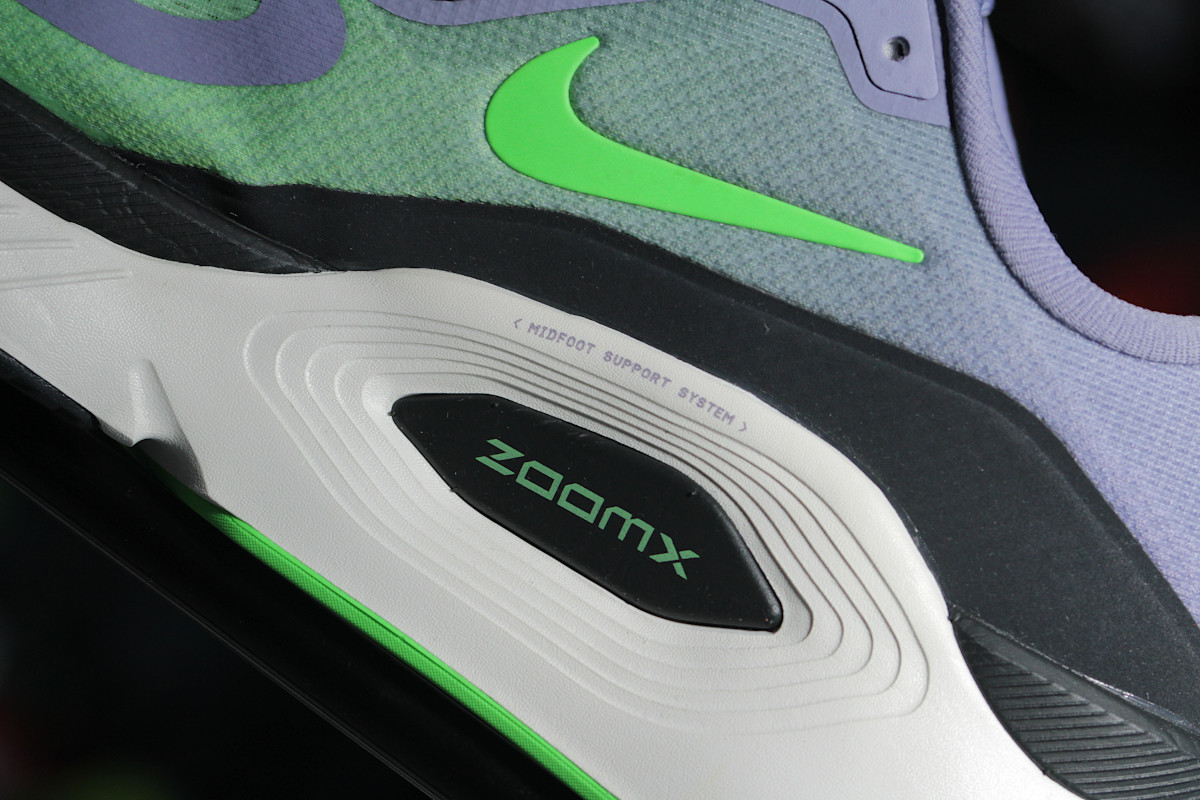
The Structure Plus outsole is a more “substantial” version of the outsole found in the classic Structure 26. The midfoot features a combination of two foams. A core of soft ZoomX foam provides a high level of cushioning, while a layer of stiffer ReactX foam makes it possible to achieve stability and durability. Thanks to this construction, the Structure Plus offers a soft and smooth running experience without sacrificing the control characteristic of the Structure family.
The stack is 42 mm at the heel and 32 mm at the midfoot, and the drop (the difference in sole height between the heel and the toes) is 10 mm. These values are typical for highly cushioned training shoes.
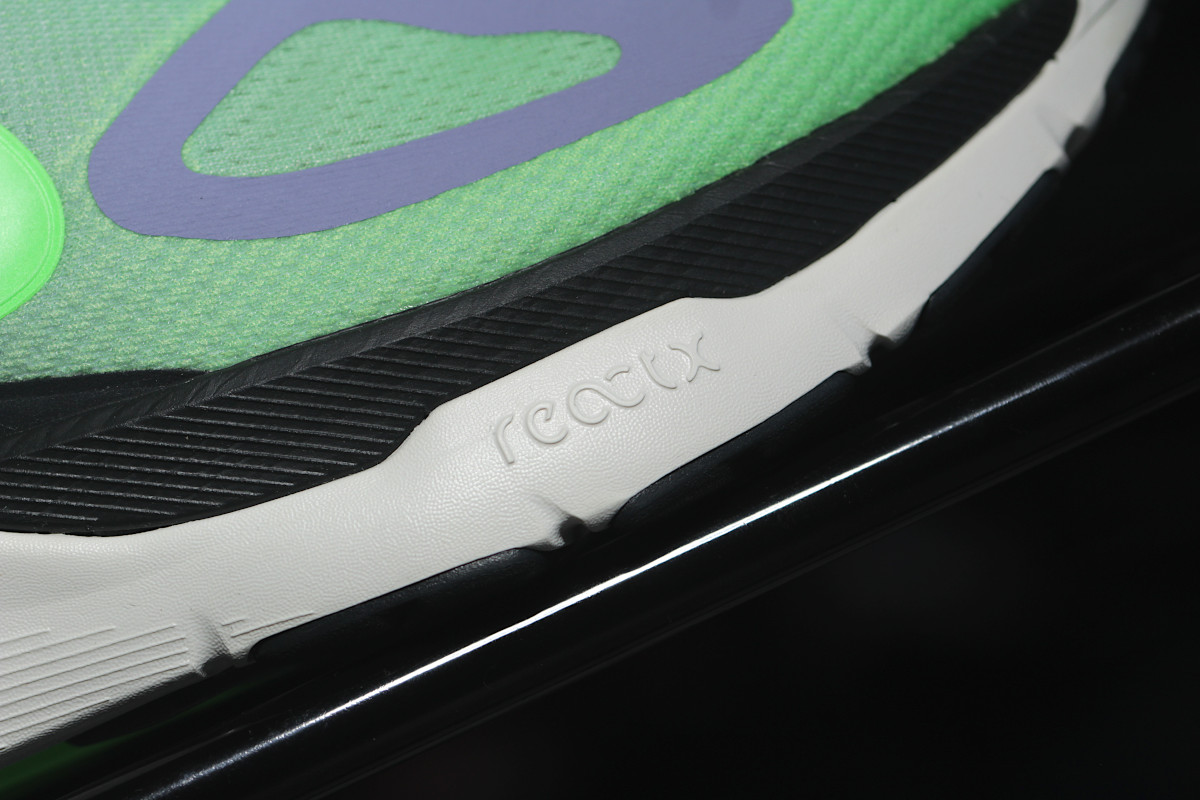
The Midfoot Support System – a feature borrowed from the Structure 26 model – is responsible for supporting overpronation. It consists of a specially shaped area of the sole in the midfoot region. This element is large and clearly visible on the inner side of the shoe. Few stabilizing shoe models feature this element so prominently and distinctly. This contouring supports the foot’s arch and helps limit overpronation. The system works quite noticeably, and for runners with a neutral foot type or those with flat feet, it may be too intrusive. Be careful!
Stability is also enhanced by the wide platform and the carefully designed sole geometry. The Structure Plus is sufficiently wide and never feels unstable, even for a moment. This design makes it feel a bit “clunky” on the foot and certainly not very dynamic, but this isn’t a shoe meant for breaking records. It’s designed to perform well during relaxed workouts and long, slow runs.
Urban Traction
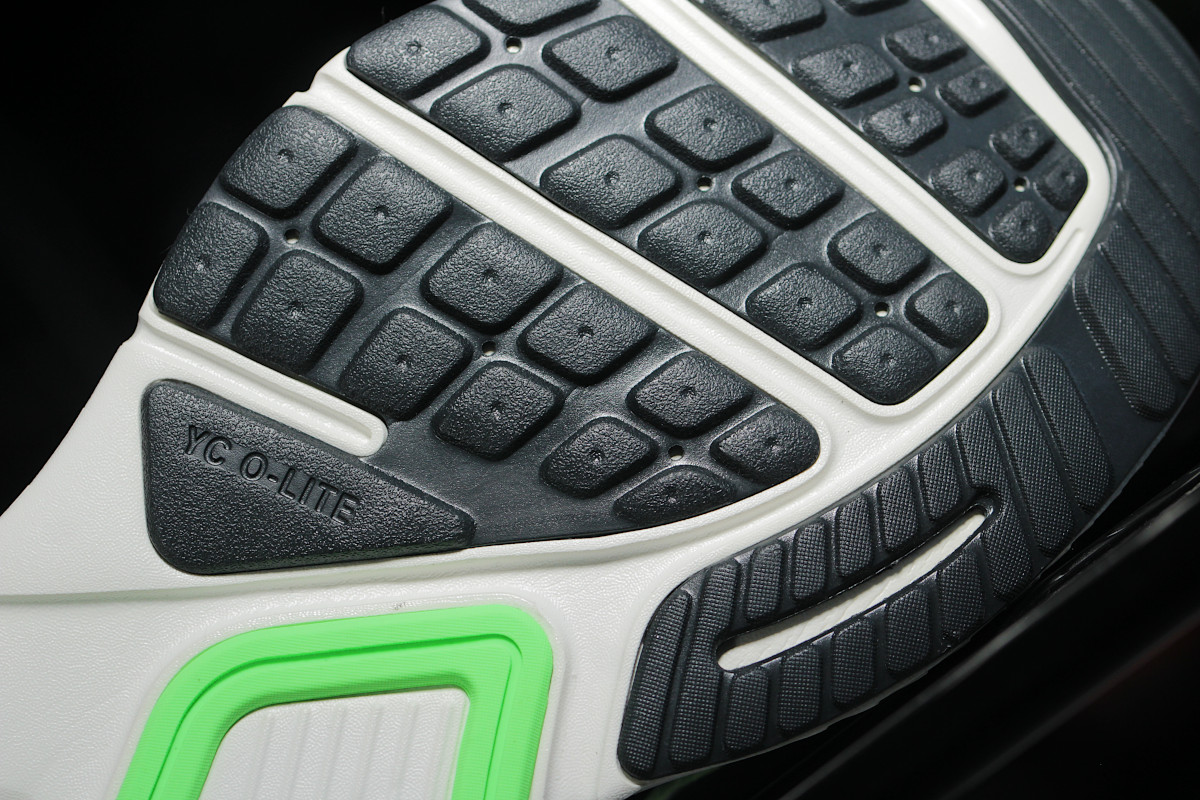
The outsole of the Nike Structure Plus retains the classic character known from the Structure series. Two types of rubber are used: a harder compound in the rear, which ensures durability upon landing, and a more flexible compound in the forefoot, providing greater traction.
The outsole pattern isn’t aggressive. The grooves are 1.7 millimeters deep at most. This is standard for shoes designed for roads and hard surfaces. The outsole is also versatile enough to handle suburban gravel paths and park trails. It will perform predictably on dry, even running routes. On wet surfaces and looser terrain – such as sandy or rocky paths – traction will be significantly limited. Keep in mind that this is primarily an urban shoe.
The Upper Is Reinforced Where It Counts
The upper of the Nike Structure Plus is made of moderately thick technical mesh. This construction is geared toward striking a balance between ventilation and comfort. The breathability is adequate, but not extreme. On cooler days, this provides greater thermal comfort. During hot workouts, it might feel a bit too warm, though this is highly subjective.
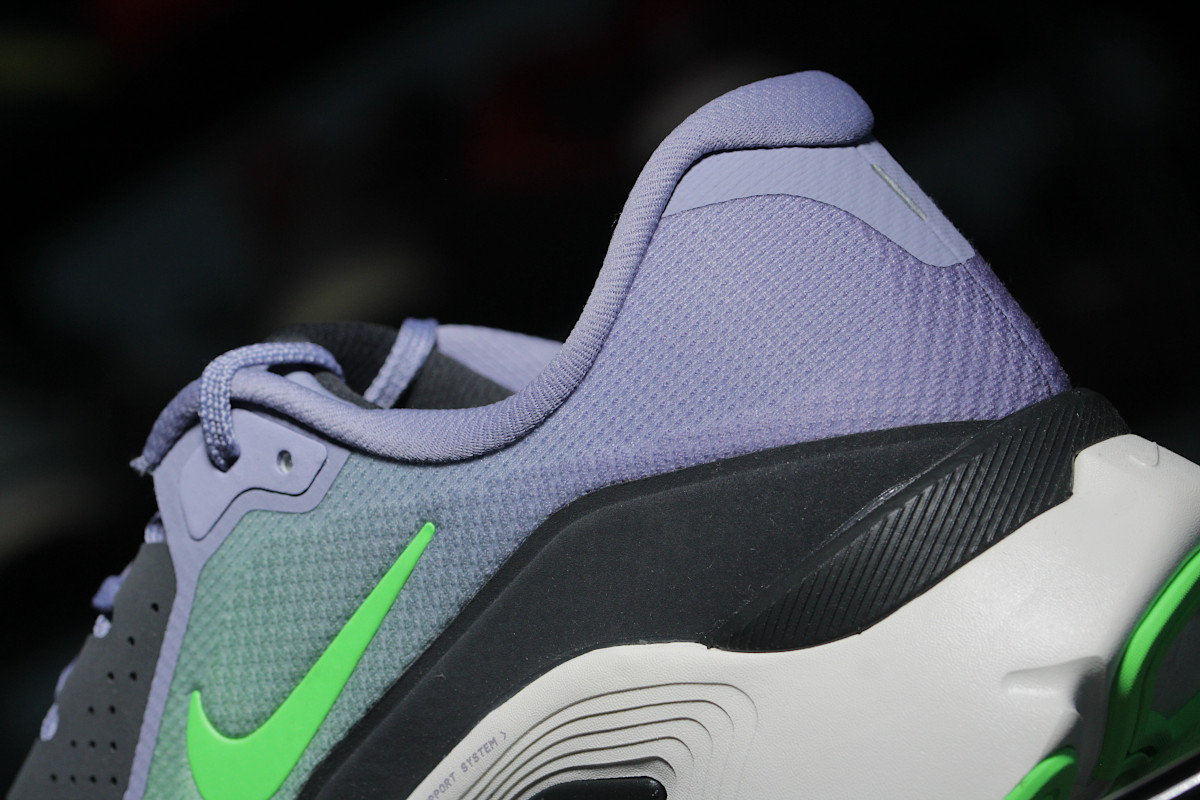
The upper’s finish is mostly seamless, which reduces the risk of chafing and improves overall comfort. On the outside, the construction is reinforced with additional, stiffer elements designed to provide better foot support. This should come as no surprise, as control and stability are part of the DNA of the entire Structure series. Although these reinforcements don’t give the shoe a visually lightweight appearance, they’re practically imperceptible from the inside and don’t negatively affect comfort while running.
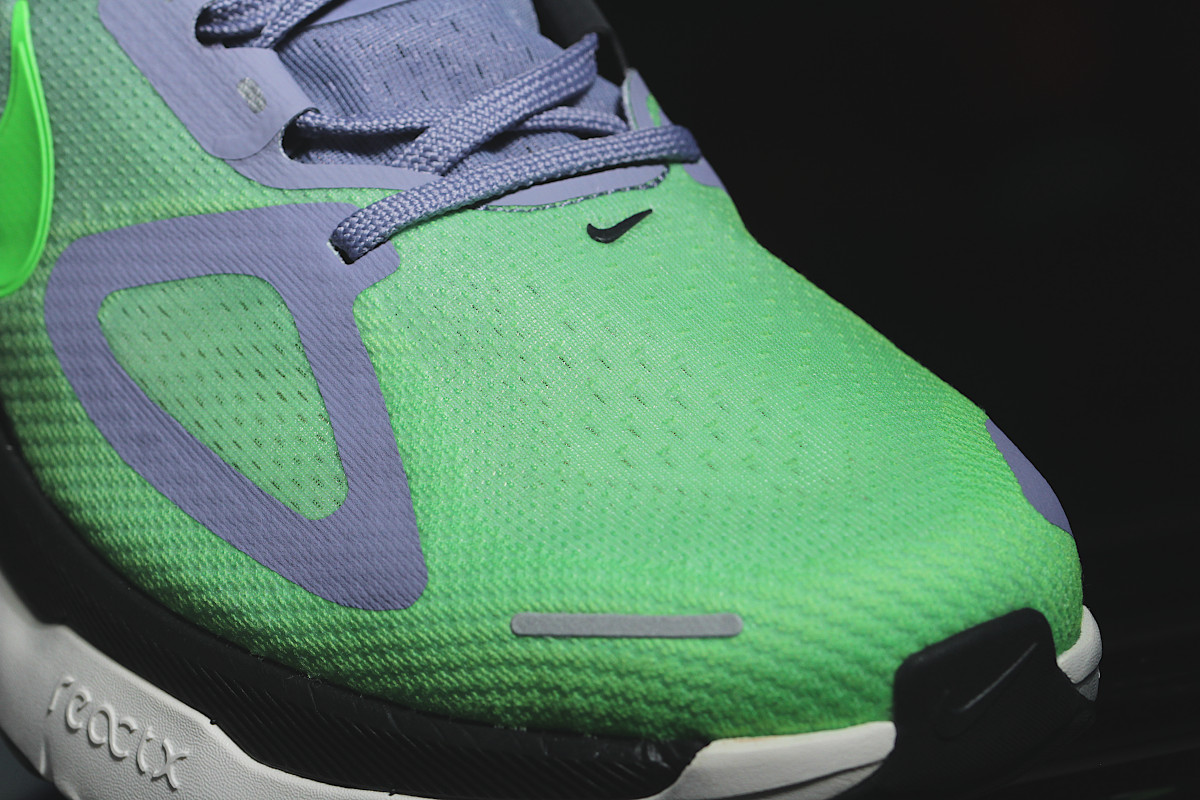
The width of the upper is standard. At its widest point, the upper measures 106.6 millimeters, which is typical for this category of shoes. The Structure Plus also fits the foot in a fairly standard way – it should fit most runners well, but those with a wide midfoot may experience some discomfort. As with any shoes, it’s worth trying them on and checking this before buying. What may be an advantage for some runners could be a disadvantage for others, limiting their freedom of movement.
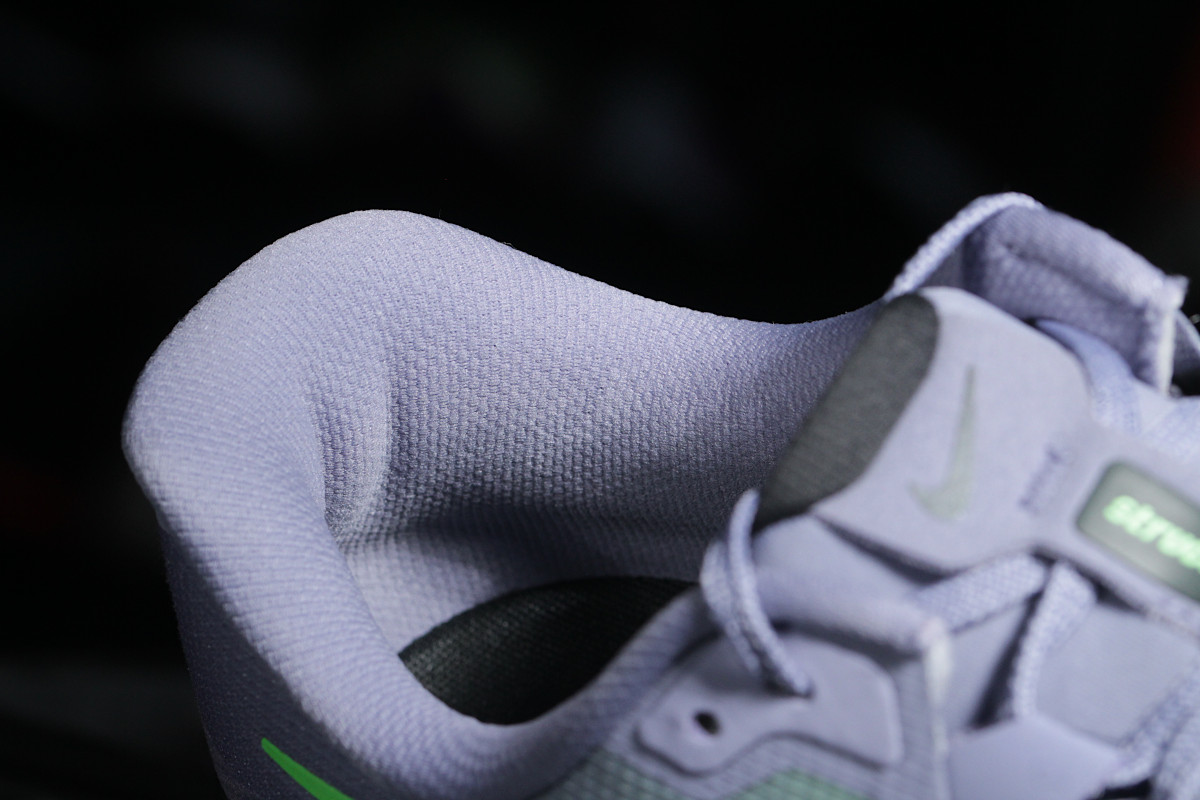
The back of the shoe features a classic, highly rigid heel counter, which extends from the stabilizing elements in the sole and connects to the external reinforcements on the upper. The internal reinforcement is fairly stiff but not excessively hard. It effectively stabilizes the heel while running and works well with the other stabilizing elements in the shoe. The construction is complemented by a soft, moderately thick collar around the ankle and Achilles tendon.
It’s Not Lightweight
According to the producer’s data, the Nike Structure Plus weighs 309 grams. This weight alone places it in the higher weight category among stability training shoes. In my size, US 12, the weight increases to 366 grams, which means this model ranks among approximately the 18% heaviest shoes in its category. One might say that stability features have to be heavy, but looking at the competition, it’s hard to consider this a rule. The market is full of models offering a similar level of support at a significantly lower weight. The Nike Structure Plus doesn’t just give the impression of being bulky – it actually is.
However, for shoes whose primary purpose is to provide maximum cushioning, stability, and safety, weight takes a back seat. If comfort during long workouts is your priority, the extra grams won’t matter much. But if you’re looking for a stable training shoe that’s also lightweight and agile, the Structure Plus probably isn’t the best choice.
Final Thoughts
The Nike Structure Plus is a new addition to Nike’s lineup, combining very high cushioning with firm support. It isn’t the lightest or fastest, but it more than makes up for it with exceptional comfort and a sense of security during daily workouts and long runs. If you’re looking for a very soft shoe that makes your foot feel good and predictable, the Structure Plus definitely deserves a spot on your shortlist.