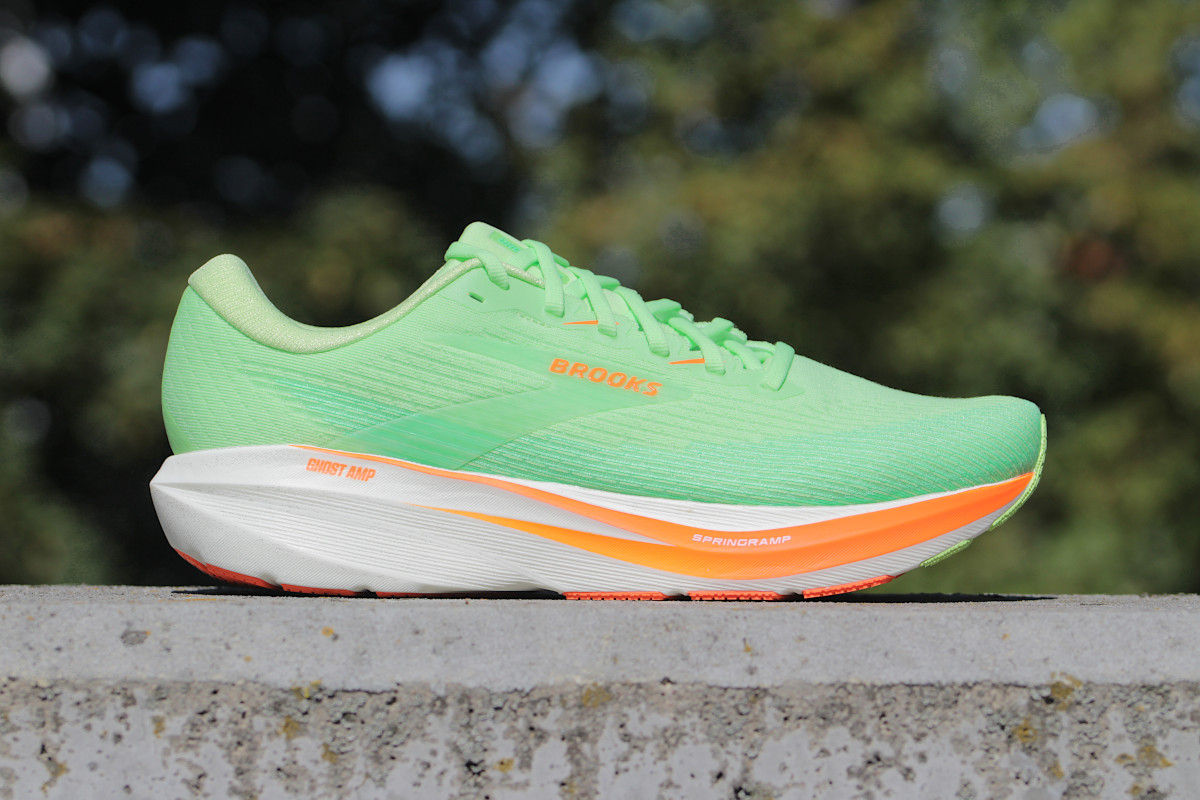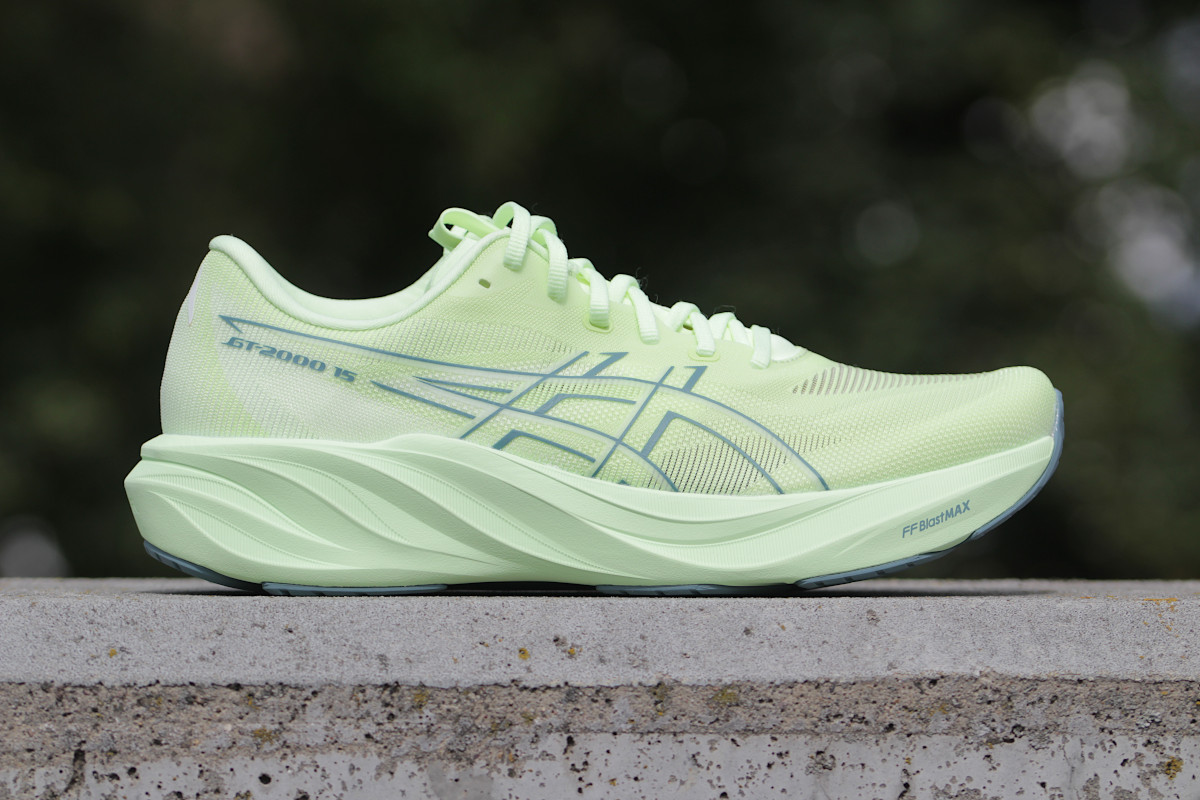
If you ask a few runners which running shoes to choose, they’ll probably each recommend a different brand. One will recommend Asics, another Mizuno, and someone else will argue for Nike, Hoka, or Saucony. That’s because we usually recommend what we run in ourselves and what we’ve had the best experiences with. But does that mean one of these brands is objectively the best? Is there a producer whose shoes are the perfect choice for every runner?
The short answer is no. There is no single “best” brand of running shoes. Every producer has both excellent models and ones that work well only for a specific group of runners in its lineup. Whether a shoe is a good choice depends primarily on how well it suits your needs, not on the logo on the upper.
Each Brand Offers a Wide Variety of Models
The brand name alone doesn’t tell you much about a specific shoe. Every producer offers models designed for different groups of runners and for various purposes. The lineups of the biggest brands include both lightweight shoes with low soles and heavily cushioned models with very high soles. In addition to training shoes, there are racing designs, models for road running, trail shoes, and even specialized footwear designed for mountain and ultra running.
Individual models from the same brand may share a logo on the upper, but they often differ in almost every aspect: cushioning level, stability, weight, sole geometry, materials used, and intended use. That’s why you can’t judge an entire brand based on these models, nor can you measure all of its shoes by the same standard.
It’s a bit like comparing a race car to a farm tractor just because they were both manufactured by the same company.
Every Brand Has Its Strengths
Each brand’s lineup includes a wide variety of running shoe categories. You’ll find everything from ultralight racing shoes and everyday training shoes to shoes for speed workouts and models designed for trail running.
Importantly, high quality in one category doesn’t automatically mean that the producer performs equally well in the others. One brand might be famous for excellent road shoes while offering only average trail shoes. Another might set the standard in the carbon-plate racing shoe segment but have less competitive shoes for everyday training. The opposite situation also occurs – great training shoes don’t always go hand in hand with equally successful racing models.
That’s why, when choosing running shoes, it’s worth evaluating a specific model rather than relying solely on the producer’s name. This is yet another argument for the fact that there aren’t any “best” brands of running shoes – instead, there are brands that perform better or worse in specific market segments.
Every Runner Has Different Needs
Differences in runners’ anatomical structure are also significant. Each of us has different feet, and what works for one person isn’t necessarily the right choice for another. Feet vary in width, instep height, and the shape of the longitudinal arch. Some runners have flat feet, others have neutral arches, and still others have high arches. The way the foot and ankle function while running can also vary. Some people run with a neutral gait, while others experience overpronation or, less commonly, supination. Added to this are differences in body weight, running technique, pace, and the distances covered.
That’s why choosing shoes that fit your foot structure, running style, and intended use is far more important than the brand itself. A model that’s exceptionally comfortable for one runner might cause discomfort for another after just a few kilometers.
Combined with the vast variety of models available on the market, this makes it impossible to single out “these” best brands or “these” best models of running shoes. Every runner has their own needs, preferences, and expectations. That’s why the best running shoes are simply the ones that fit you best.
Running Shoes Are Constantly Changing
At first glance, running shoes look pretty much the same from year to year, but in reality, they’re constantly changing. This evolution applies to both their construction and the materials used.
Cushioning has relied mainly on foams for years, but the foams themselves have undergone a huge transformation. EVA used to dominate, but today producers also use blends of TPU, TPE, and Pebax. Each of these materials has different properties – they vary in resilience, weight, and durability. And that’s not all, as the industry regularly introduces new solutions. Uppers are changing as well. Modern mesh materials are lighter, more breathable, and provide a better fit than older constructions. Even the shoe’s geometry is evolving – stack height, heel-to-toe drop, and rocker profile.
The footwear industry is growing very rapidly. Technologies that were used exclusively in top-of-the-line models just a few years ago are now becoming standard. At the same time, new solutions and innovations are constantly emerging. This is yet another reason why it’s impossible to single out these definitive “best” brands of running shoes. The market is constantly changing, and with it, the leaders in each segment are changing as well.
How Do You Choose the Right Brand of Running Shoes?
The variety of models and the breadth of the running shoe lineup make it impossible to single out one “best” brand. Additionally, runners’ individual anatomical differences mean that everyone needs a slightly different approach when choosing shoes. We also can’t overlook the fact that technologies are constantly evolving, so what’s considered a top-of-the-line solution today may become standard – or even outdated – in a few years.
In practice, this means you’ll need to test different models and brands. It’s best to focus first and foremost on your own feelings, needs, and experience, rather than get attached to a single producer. Even within a single brand, the differences between models can be significant.
The key is to find a shoe that best suits your biomechanics, running style, and training preferences. It’s the fit – not the logo – that determines whether this shoe will be truly good.