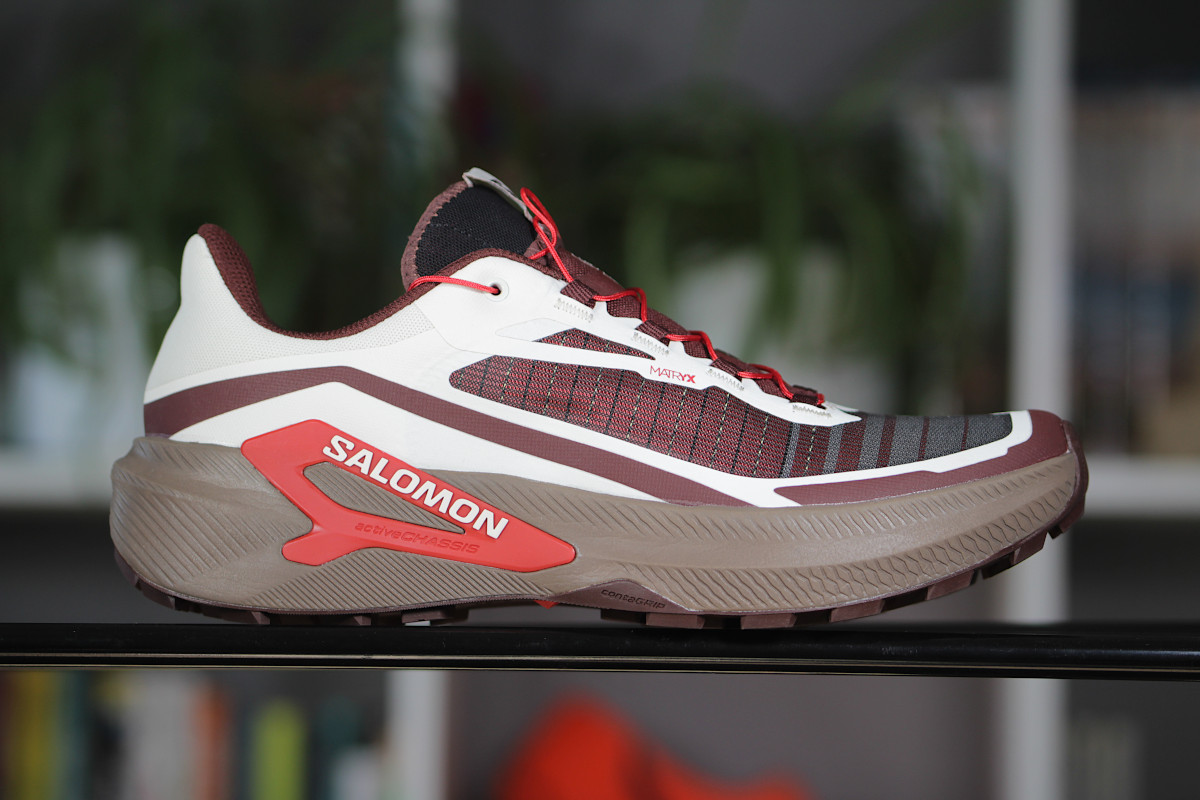
It’s quite a challenge to find shoes with excellent cushioning, proper stability, lightness and great looks. However, determining the right size of running shoes is also an art form. They should not be too big or too small to avoid problems. When it comes to running shoes, choosing the right size is crucial.
One of the most common mistakes beginner runners make is buying running shoes in the same size as their everyday shoes. Often, these shoes end up being too tight, causing discomfort while running. Why is this the case? What makes this size choice unsuitable? When running, the foot naturally swells and needs more space to ensure comfort and prevent chafing.
Why Running Shoes Should Be Bigger
It is very important to have loose toes while running. While running, the foot “works” and increases in length as it presses against the ground. When the foot is not bearing the weight of the body, such as when sitting, it is shorter. When you put weight on your foot, it gently flattens and becomes longer as it carries your body weight. The size of your foot changes with movement, i.e., when it is alternately loaded and unloaded. The difference is not significant. It is usually a few millimeters or half a size or maybe one size on the European scale. This is the first reason.
Therefore, choosing running shoes with minimal or no toe room can lead to problems, especially while running. When you start running in such shoes, it is only a matter of time before repeated pressure from the upper part of the shoe on your nails causes blood blisters under your nails. Then, your nails will turn black and start to fall off. These types of complications can be avoided.
Check Your Running Shoe Size While Standing
The best solution for toe problems is to buy shoes with extra toe space. The optimal amount of space is usually between 1/2 and 1centimeter. It is also important to check the size while standing because the foot is under load at that time. Even then, there should be an additional half to one centimeter of space in the toe area.
This is important because the size of the foot changes with every movement. Each foot does this 80–90times every minute. When lifted off the ground while running, the foot is shorter; when pressing down on the ground to support the body’s weight, the foot is longer. In short, the toes should never press against the upper during any phase of movement. That’s why we always check the size of running shoes while standing!
Half to One Centimeter of Extra Space Is Enough
As I mentioned earlier, the optimum amount of space when standing is about half a centimeter to a centimeter. Any more space is unnecessary and may even be harmful. A longer shoe is also proportionally wider, so the wider the shoe, the harder it is to keep your foot properly in it. In extreme cases, excessive space can cause the foot to “fly” in the shoe, making it difficult to run normally. Therefore, it is important to find the right balance between toe space and proper foot support.

How to Measure Your Foot at Home
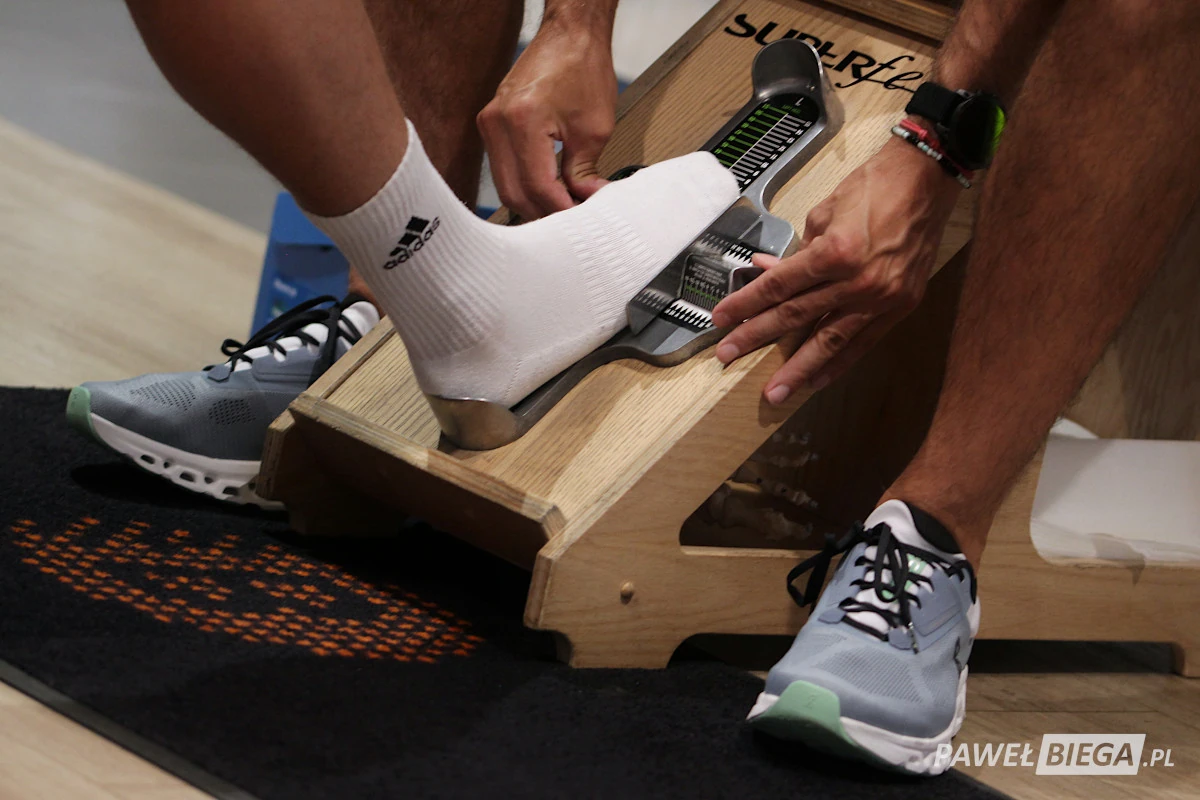
If you don’t know your shoe size, the easiest solution is to visit a professional running store, where experienced staff can measure your foot for you. If you don’t have this option and want to determine your size at home, there is one method. Here’s how:
- Place your bare foot on a piece of paper and trace its outline as accurately as possible.
- Measure the length of your foot in centimeters from your longest toe to your heel. This measurement is equivalent to the length of your foot.
- Add one centimeter to this measurement. This extra space helps prevent toenail problems when running. The sum of these two measurements is the length of the insole you should have in your running shoes.
- Compare this length with size charts from different brands. These charts are available on store websites. Finally, find the right size running shoe based on the insole length.
While these are the most sensible methods to consider at home, they are not perfect. There are two main drawbacks to this approach.
- First, there is always a risk of error. Home measurements may not be entirely accurate, which can lead to choosing the wrong size.
- Second, this method is somewhat generalized because it only considers the size of the foot and not the differences in the construction of individual shoe models. This means that you may find the right size, but cannot be sure that every model in that size will fit properly. For example, you may choose a model with an exceptionally narrow upper, but have a wide midfoot. Even if the length is correct, the shoe may be uncomfortable.
Therefore, this method should only be used as a guide when you are unable to try on shoes before purchasing them.
Not All Shoe Sizes Are the Same
No matter what size running shoe you choose, it will likely be larger than your everyday shoe size. In addition, running shoe models differ not only in their specifications but also… in their sizing. Just as no two feet are identical, no two running shoe models are identical. It may happen that in these shoe models, size 44, for example, will fit you well, while in another, size 44 will be a little too small and size 44.5 will be the right fit. In yet another model, size 43.5 will be the right fit… . Such differences don’t make choosing the right size any easier, but unfortunately, they’re normal.
Finally, it’s worth noting that size is just one of these many factors that influence the choice of the right running shoes. Your foot type, the amount of cushioning, and many other details are also important – and these aren’t always easy to assess on your own. This is especially true if you don’t have much experience with running shoes. In this regard, visiting a specialty store will always give you more insight than reading online guides…
And that’s exactly why it’s better to come to the store and try on the shoes first rather than buying them blindly.