Mountain ultras are where chaos costs the most – time, energy, and your head. Instead of improvising, it pays to show up with a clear plan and a proven checklist. This guide keeps everything structured: from pre-race prep, through gear and drop bags, to execution on the course. Go through it once in advance, and on race day you can focus on running.
To make an ultra mountain run rewarding, thorough preparation is essential. It’s not just about physical training; logistics are important too, as we’re on our own between aid stations and drop bags. Drop bags are placed every twenty-odd kilometres or so.
1. Pre-race preparation:
- Make sure you replenish your vitamins and micronutrients.
- Cross-training: Cycling or swimming once a week on a day off from running.
- Do running strength training at least once a week. Complete one session of classic running strength training, such as skips and multi-jumps. A second session should be hill sprints.
- Supplementary exercises: 15 minutes of squats, toe raises and other leg-strengthening exercises.
- Train in puddles and other poor conditions so that your shoes get soaked. You never know what the conditions will be like in the mountains. You have to be prepared.
- Run in the dark with a headlamp. This is also part of the preparation.
- Do long runs with a full backpack. During an ultra run, your backpack will be quite full.
- Take it easy in the last 2–3 weeks before the start. Your body must be well rested.
2. Gear for the race:
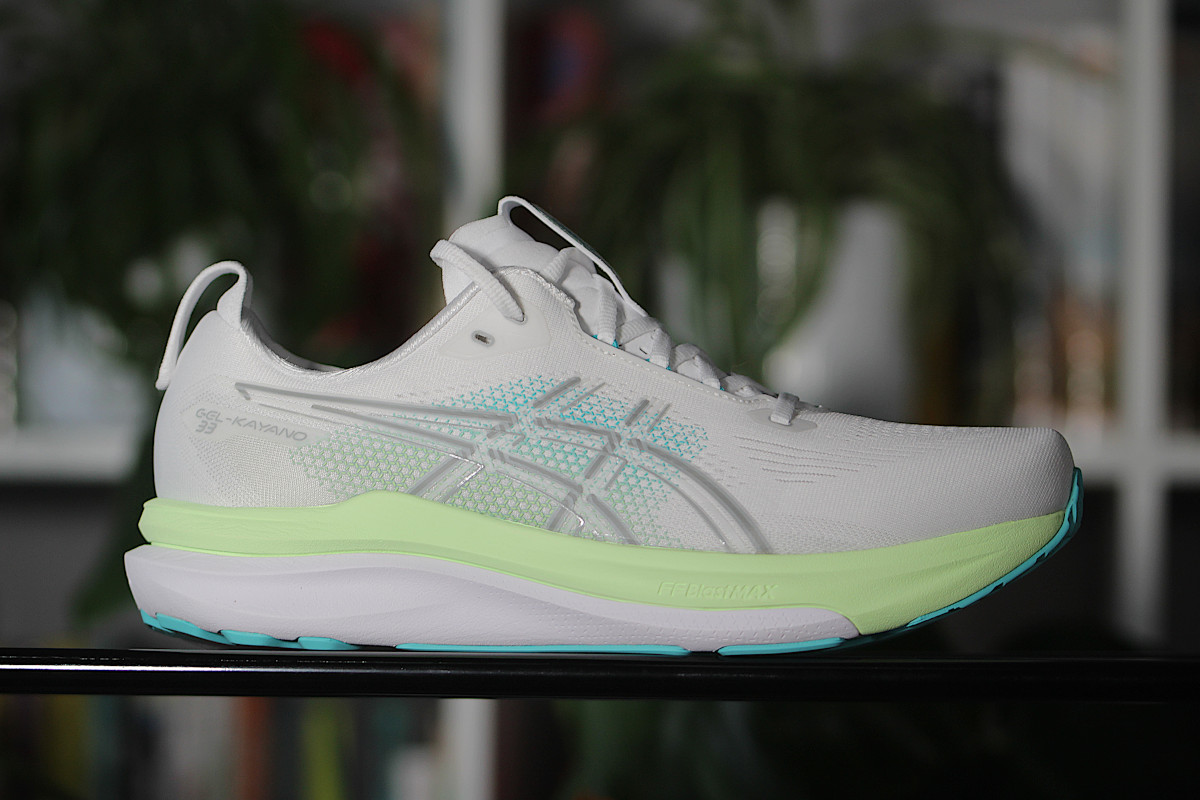
- Take your most trusted gear. Everything you bring must have covered many kilometres with you already.
- Do not take anything with you that you haven’t tested beforehand.
- Protect sensitive areas of your body with anti-chafing cream. Use a cream that you have already run with before.
3. Packing list:
- Ketonal (or another pain reliever);
- energy gels and bars;
- other energy sources, such as dates (some people also bring sandwiches);
- water or sports drink in a hydration pack;
- phone;
- toilet paper or tissues;
- light jacket, such as a windbreaker or rain jacket;
- buff;
- small headlamp;
4. Hydration and nutrition:
- For drinking, you can choose water, a sports drink, or a mix of the two. The ratio between the two is up to you and what you tolerate better. If you tolerate water better, drink more water.
- Fill your hydration pack to the brim. Always!
- For food, you can have gels, bars or dates. Organisers often provide sandwiches or sweet rolls at the aid station.
- Eat them! Even if you don’t feel like it, you must eat! Your body won’t run on an empty stomach.
- Restock your supplies of gels, bars and water at subsequent aid stations.
5. Aid station strategy and contents
- Keep your stop here as short as possible.
- Changing clothes should be a last resort. If your clothes are wet, it’s probably raining. This will cost you 5–10 minutes, and you’ll be wet again within 15 minutes anyway.
- Whether you change your shoes is up to you. However, if you have a spare pair of trail running shoes, it’s worth leaving them at the aid station in case you need them.
- If you change your shoes, change your socks too.
- If you change your socks, apply anti-chafing cream to the inside of them before the race. This way, you’re simultaneously applying ointment to your feet and your socks.
6. Race strategy (on the course):
- Don’t start too fast – it’s easy to do since the first few kilometres are on flat road.
- If your goal is to finish, treat the first few kilometres as climbs. Let the others run and burn themselves out.
- On flat sections and downhills, jog.
- MOST IMPORTANT! We don’t stop or sit down. If we can’t run, we walk! (Exception: bathroom breaks.)
7. Reconnaissance of the route:
- Check out the route before the race and upload it to your watch as a track.
- Familiarise yourself with the route profile and the locations of the aid stations.
- Pay attention to emergency routes. Anything can happen, and if possible, it’s sometimes better to head down to civilisation for help than wait for help in the mountains.
That’s all you can do. You can’t plan any more than this before the start. The rest is up to our legs and minds. We have to do the rest ourselves.