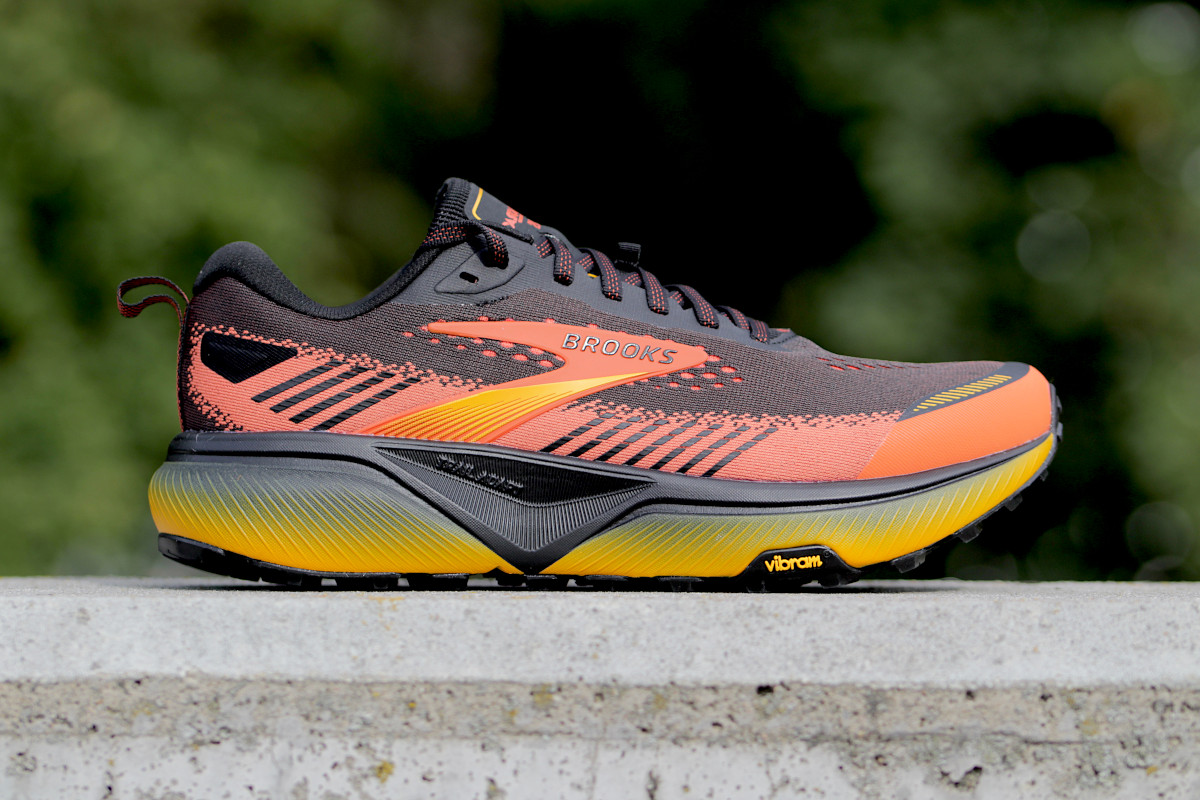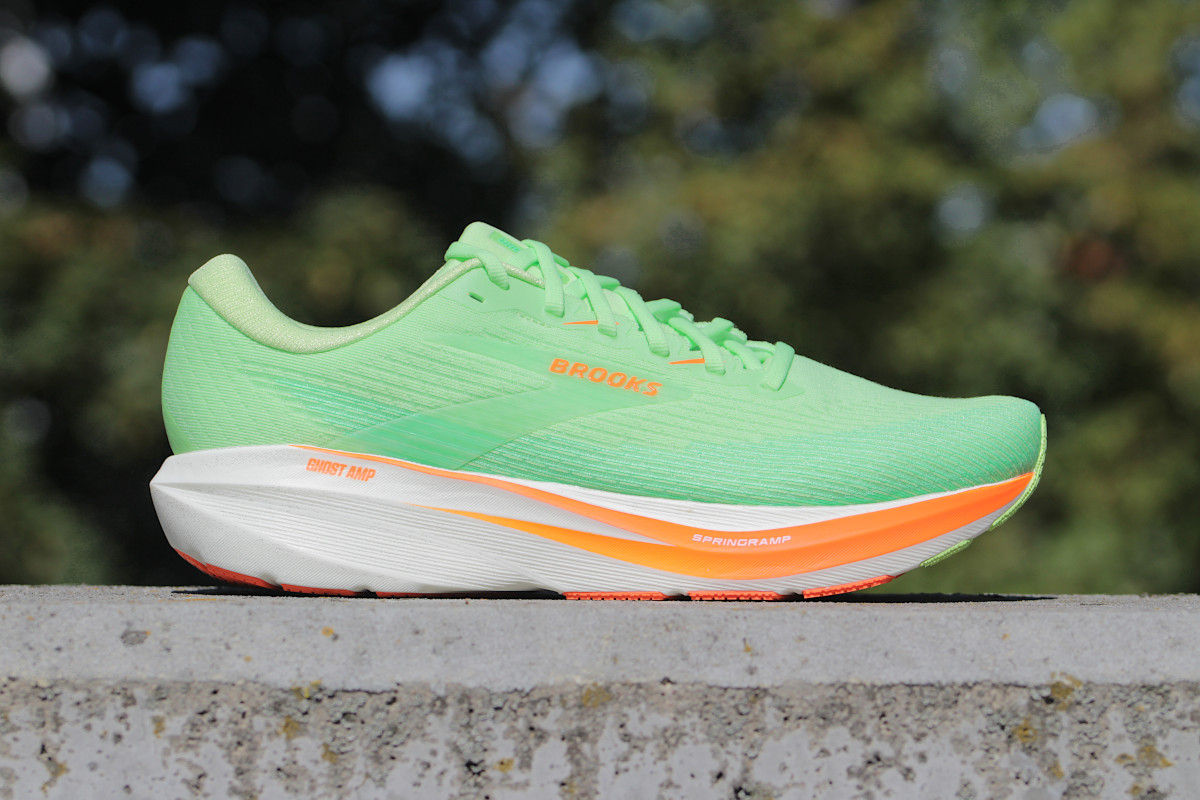
The Brooks Ghost AMP is a new, more dynamic version of Brooks’ popular training shoe. Instead of the classic Ghost characteristics, we get lightweight and springy DNA HYPE foam, a lower 6-millimeter drop, and SpringRamp geometry, which is designed to facilitate a faster roll and push-off. It’s still a versatile training shoe, but its character has shifted toward faster running. We’re checking to see if the Ghost AMP is truly the right choice for those who find the usual Ghost too conservative.
Basic Info
Tech Specs
Best For
The Brooks Ghost AMP is a versatile training shoe designed primarily for running on hard surfaces – roads, sidewalks, and compacted gravel. It has a more dynamic feel than the classic Ghost 18, making it well-suited not only for easy runs but also for faster workouts, tempo runs, and strides. The cushioning remains versatile enough to comfortably cover your daily mileage, but the firmer and more responsive sole doesn’t give the impression of sinking too deeply into the foam. The Ghost AMP is also a stable, neutral shoe.
Pros
- very good, well-balanced cushioning
- more dynamic than the classic Ghost
- very good stability for a neutral shoe
- versatile character
Cons
- performance doesn’t quite measure up to the best fast daily trainers
- front of the upper is more tapered than very roomy
Brooks Running Shoes – Lineup
The Brooks Ghost AMP is currently the most dynamic model in the Ghost family. Alongside it are the classic Ghost 18 and Ghost Max, and each of these models serves a slightly different purpose. The Ghost 18 remains a versatile daily trainer focused on comfort and predictable performance – it’s the most “usual” shoe in this family. The Ghost AMP shifts the focus toward performance, offering more energy during faster runs. The Ghost Max, on the other hand, prioritizes maximum cushioning and foot protection. As a result, these three Ghost models don’t compete directly with one another – they address different runner needs and can play entirely different roles in a runner’s rotation.
If you’re looking for even more cushioning and maximum comfort, the Glycerin series is the natural choice. Runners who need additional stability and control for overpronation, on the other hand, should consider the Adrenaline GTS model.
Looking for the perfect Brooks running shoes? Check out a shoe guide.
| NEUTRAL SPEED | NEUTRAL SHOES | STABILITY SHOES | |
|---|---|---|---|
| maximum cushioning |  Glycerin Max 2 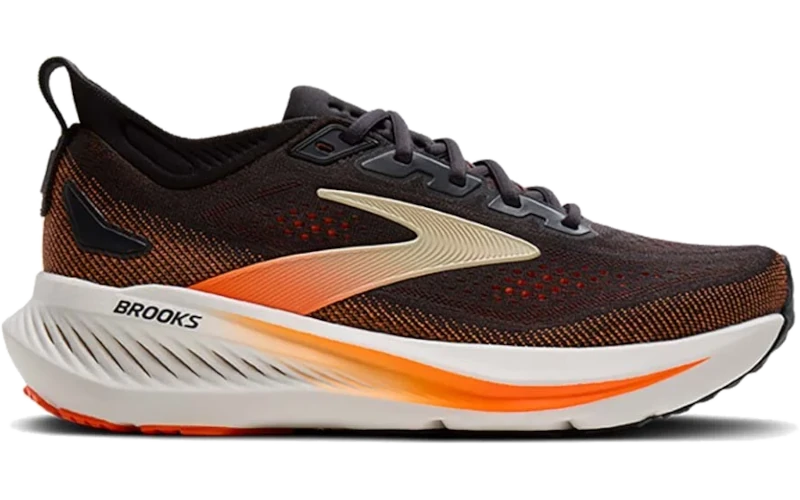 Gliceryn 23 | 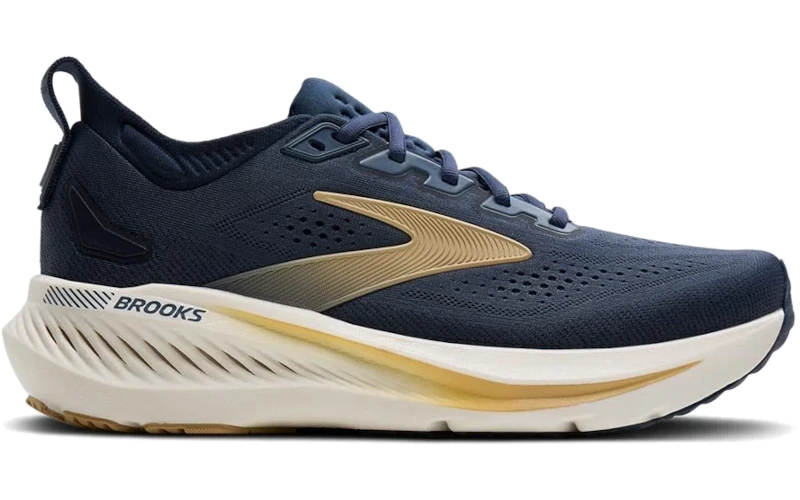 Glycerin GTS 23 | |
| very high cushioning | 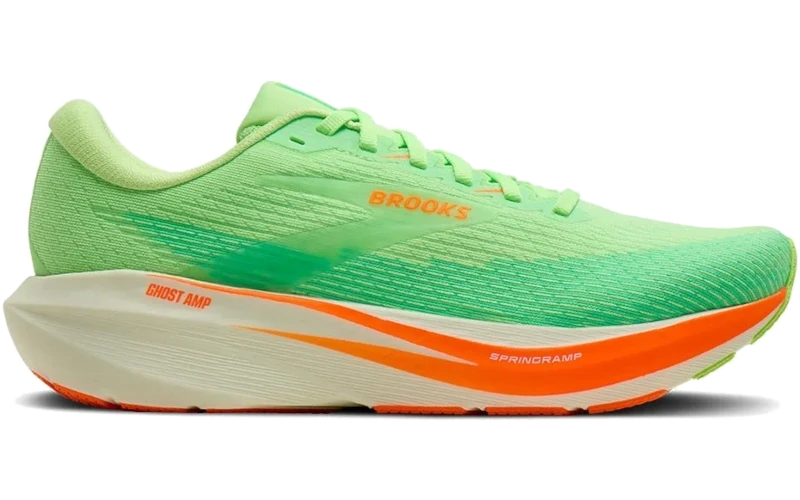 Ghost AMP | 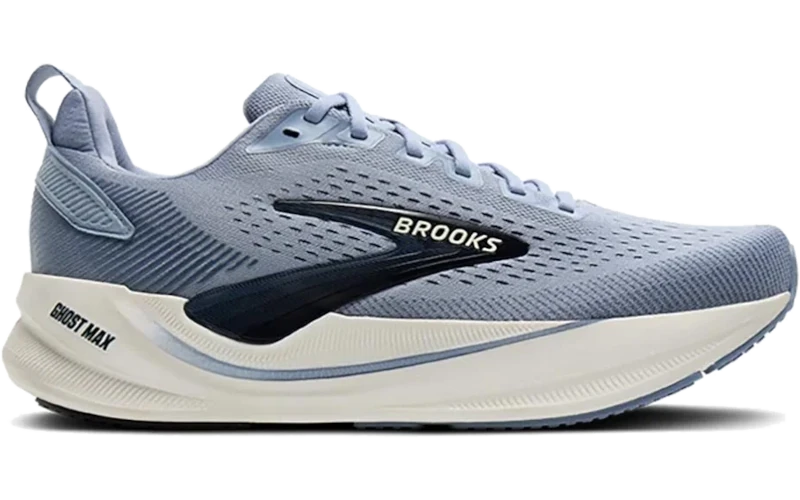 Ghost Max 4 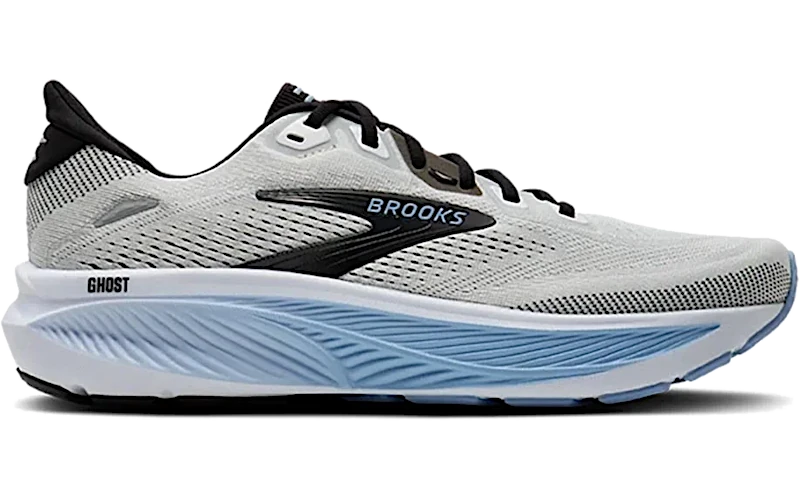 Ghost 18 | 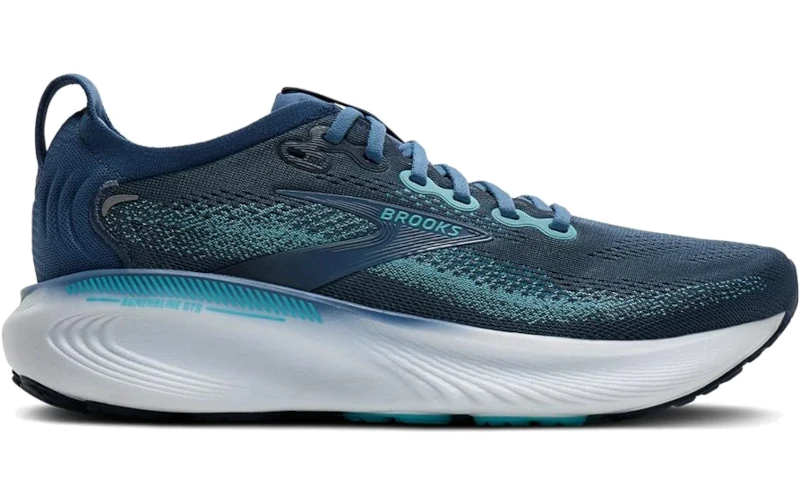 Adrenaline GTS 25 |
| high cushioning |  Trace 4 |
Role in the Running Shoe Rotation
In rotation, the Brooks Ghost AMP fits between a classic shoe for very slow, casual daily easy runs and a shoe for faster workouts. This allows it to handle both daily easy runs and slightly faster sessions without the need to switch shoes frequently. For the longest and most relaxed runs, you can opt for the more cushioned and laid-back Glycerin Max 2, while for intervals and more intense sessions, the Hyperion Max 4 is the better choice. The Ghost AMP thus stands out as the most versatile of the three, combining the comfort of everyday training with noticeably greater performance.
| GLYCERIN MAX 2 | GHOST AMP | HYPERION MAX 4 |
|---|---|---|
| | 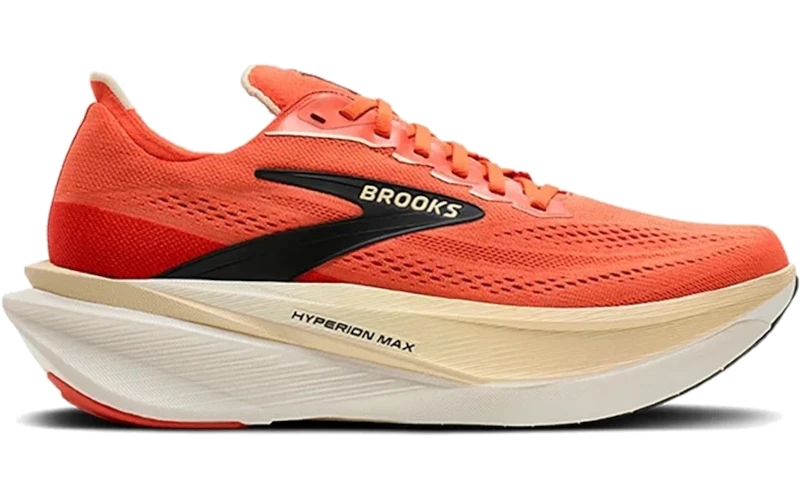 |
| easy, long runs | daily running | fast training session, raceday |
Similar to Brooks Ghost AMP
The Brooks Ghost AMP belongs to the highly competitive category of all-around training shoes, but it stands out from the crowd with its more dynamic character. It’s designed for runners who want to combine the comfort of everyday training with the ability to accelerate freely. The Ghost AMP may be an interesting choice, especially for those who find classic training shoes too conservative and sluggish.
Want to see more shoes like these? Check out our shoe guide for daily training.
| MODEL | STACK HEIGHT (mm) | DROP (mm) | WEIGHT MEN'S (grams) | WEIGHT WOMEN'S (grams) | REGULAR PRICE (€) |
|---|---|---|---|---|---|
| adidas Supernova Rise 3 | 35/28 | 7 | 272 | 230 | 150 |
| Asics Gel-Cumulus 28 | 37/30 | 8 | 259 | 223 | 160 |
| Asics Novablast 6 | 41.5/33.5 | 8 | 253 | 215 | 150 |
| Brooks Ghost 18 | 36/26 | 10 | 289 | 260 | 150 |
| Brooks Ghost AMP | 36/30 | 6 | 249 | 225 | 150 |
| Hoka Clifton 11 | 41/33 | 8 | 283 | 236 | 150 |
| Mizuno Wave Rider 30 | 42.5/34.5 | 8 | 265 | 230 | 160 |
| New Balance 880 v15 | 38/32 | 6 | 304 | 238 | 160 |
| Nike Pegasus 42 | n/a | 10 | 300 | 243 | 140 |
| On Cloudsurfer 7 | 32/22 | 10 | 245 | 205 | 170 |
| Saucony Ride 19 | 36/30 | 8 | 270 | 220 | 150 |
DNA HYPE Cushioning and Outsole Geometry
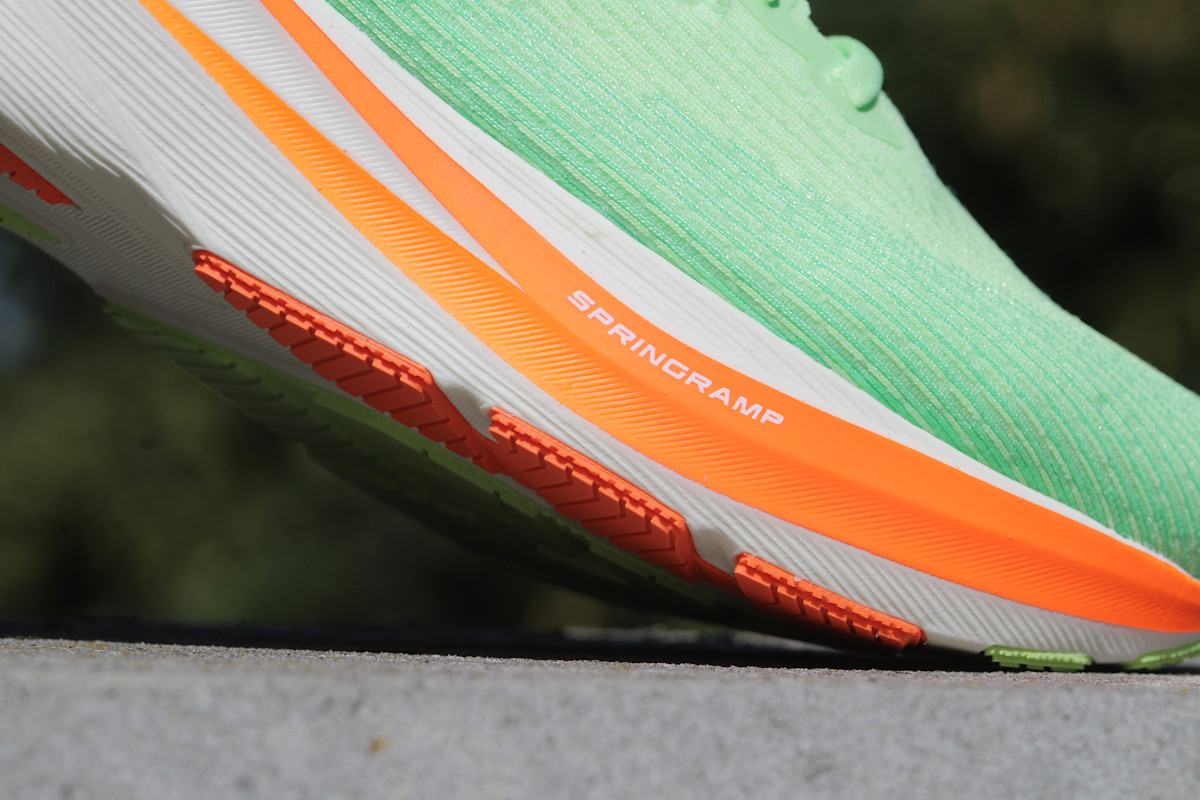
The Brooks Ghost AMP takes a completely different approach to cushioning than the classic Ghost 18. Instead of DNA LOFT v3, it features DNA HYPE – a nitrogen-infused blend of PEBA and EVA foam. The material was designed for greater responsiveness and energy return. And indeed – the Ghost AMP offers a noticeably more dynamic feel, though its cushioning remains fairly balanced rather than overly cushioned. This isn’t a soft shoe that sinks in deeply. Instead, it’s characterized by resilience combined with just the right amount of firmness.
The heel has a height of 36 millimeters, and the forefoot has a height of 30 millimeters. This is more than the Ghost 18 had under the toes, but by today’s constructions, these figures are still not extreme. Combined with a 6-millimeter heel-to-toe drop, this results in a fairly typical platform. It allows you to maintain contact with the surface and take advantage of the foam’s springiness when picking up the pace. If you’re looking for a very soft shoe for a relaxed run, the Ghost AMP won’t be a good choice. However, if you’re looking to combine comfort with greater performance, its performance characteristics are quite interesting.
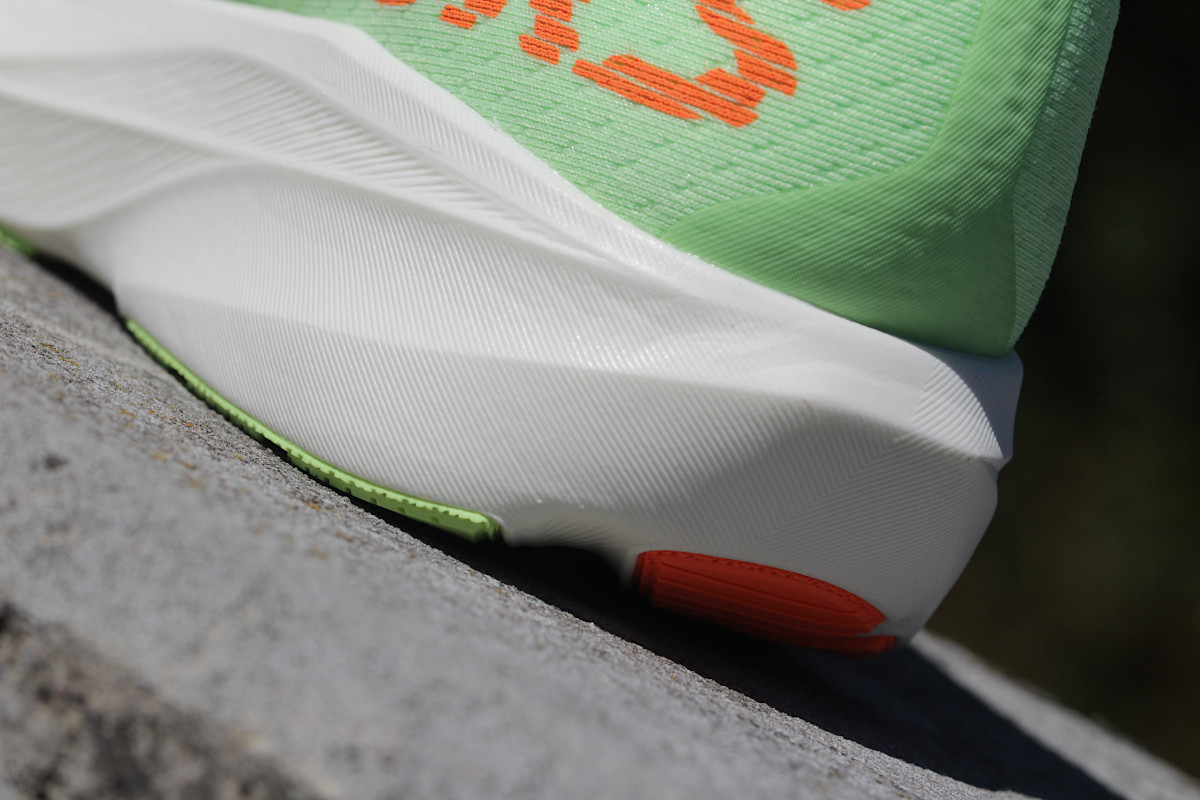
The SpringRamp geometry also plays a role in the roll-through. The forefoot section of the sole is stiffer, which facilitates the transition from landing to push-off and adds a bit of performance to the shoe. However, this isn’t the aggressive geometry typical of racing shoes or speed training shoes. The Ghost AMP remains a relatively natural training shoe that simply encourages you to accelerate.
In terms of stability, the Ghost AMP also performs very well. Technically, it’s a neutral model whose wide platform and relatively stiff foam make for good stability. The foot doesn’t roll excessively to the sides, and the construction remains predictable during faster runs. As a result, we get a shoe that combines a neutral design with a decent sense of stability.
Durability and Confidence on Hard Surfaces
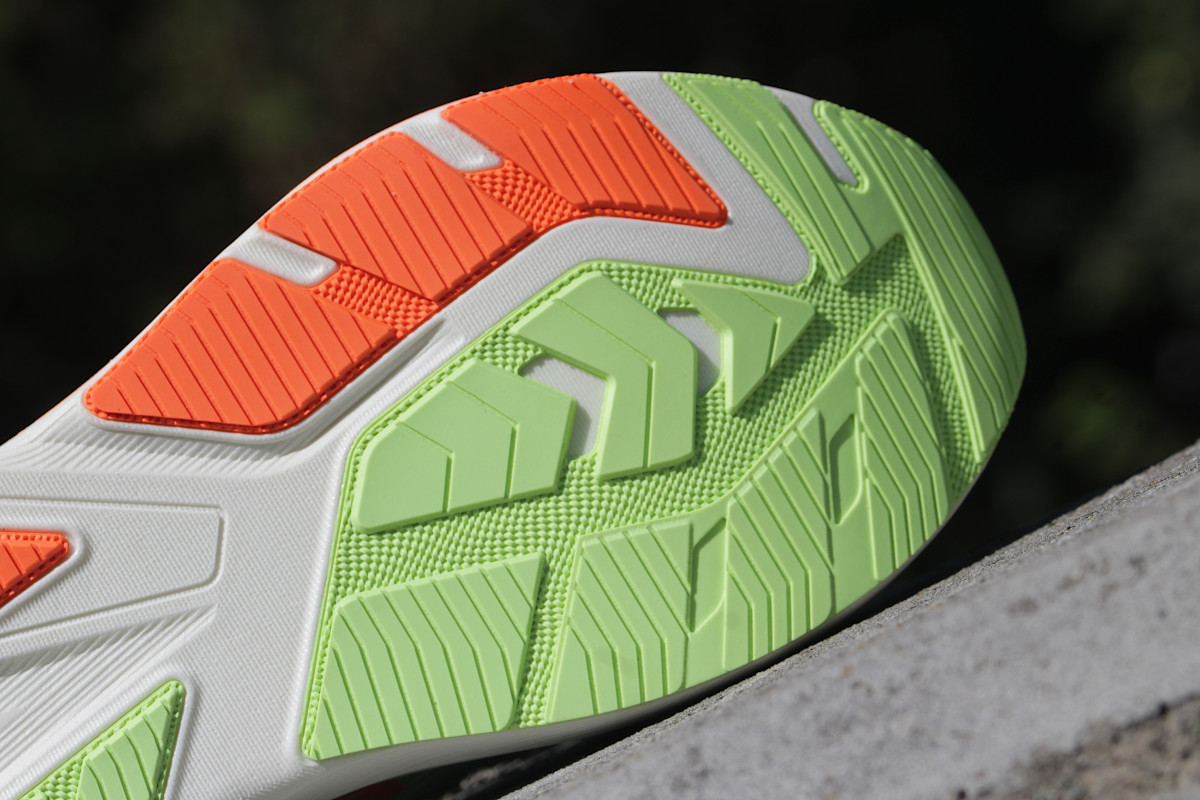
The outsole on the Brooks Ghost AMP is designed primarily for running on roads and other hard surfaces. Rubber covers the most critical areas of the sole at the rear and front – the spots most prone to wear. However, the outsole construction isn’t as aggressive as on the classic Ghost 18. The outsole is quite flat and shallow – its grooves are just 1 millimeter deep.
Traction on roads and sidewalks should be very good. You can, of course, also take the Ghost AMP on compacted park trails or easy gravel, but in such cases, the classic Ghost 18 would perform better. The AMP is a shoe definitely more focused on hard, flat surfaces. If you do most of your training runs on roads, this will be a good choice. If you regularly veer off the road onto park trails and gravel paths, the Ghost 18 will be a better choice.
A Lightweight, Form-Fitting Upper for Faster Running
The Brooks Ghost AMP features a lightweight Warp Knit upper that complements the model’s more dynamic character. The material is breathable and sufficiently flexible. Compared to the very soft and plush upper of the classic Ghost 18, this material is slightly thinner and better ventilated. On the hottest days, it will perform better than the Ghost 18, which placed greater emphasis on freedom of movement and soft comfort.
The fit of the shoes is athletic rather than very roomy. The front of the shoe tapers quite noticeably toward the toes, so people with wider feet may feel there’s less room than in the classic Ghosts. This doesn’t mean, however, that the Ghost AMP is narrow overall. It offers enough space for most feet, but it’s worth being cautious if you have wide feet. Also, those who prefer plenty of space and freedom of movement for their toes may not be satisfied with this fit. It’s worth checking the fit carefully, especially if you value ample toe room.
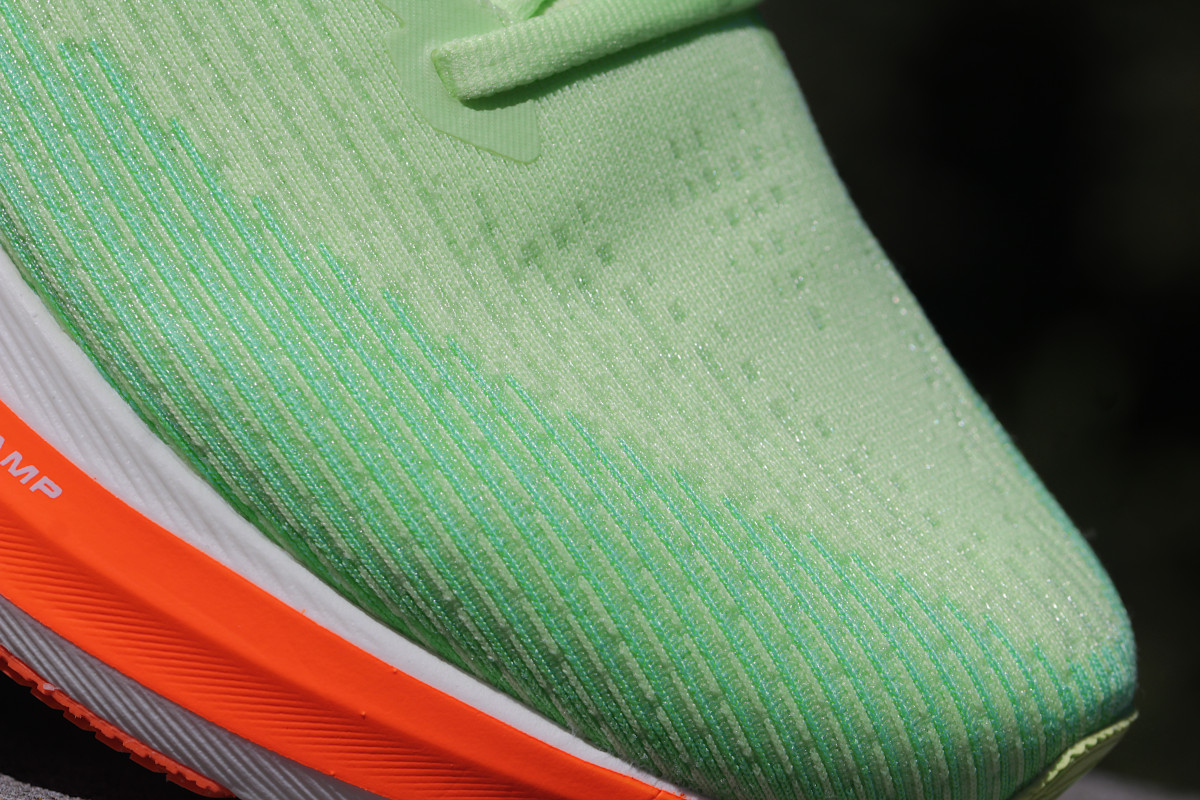
The midfoot features a tongue integrated with the upper, which helps keep the foot in the correct position. The construction works well with the lacing system and limits foot slippage while running. Overall, it also provides a fairly snug fit in the midfoot. This fit comes in handy when you start running faster and faster in the Ghost AMP.
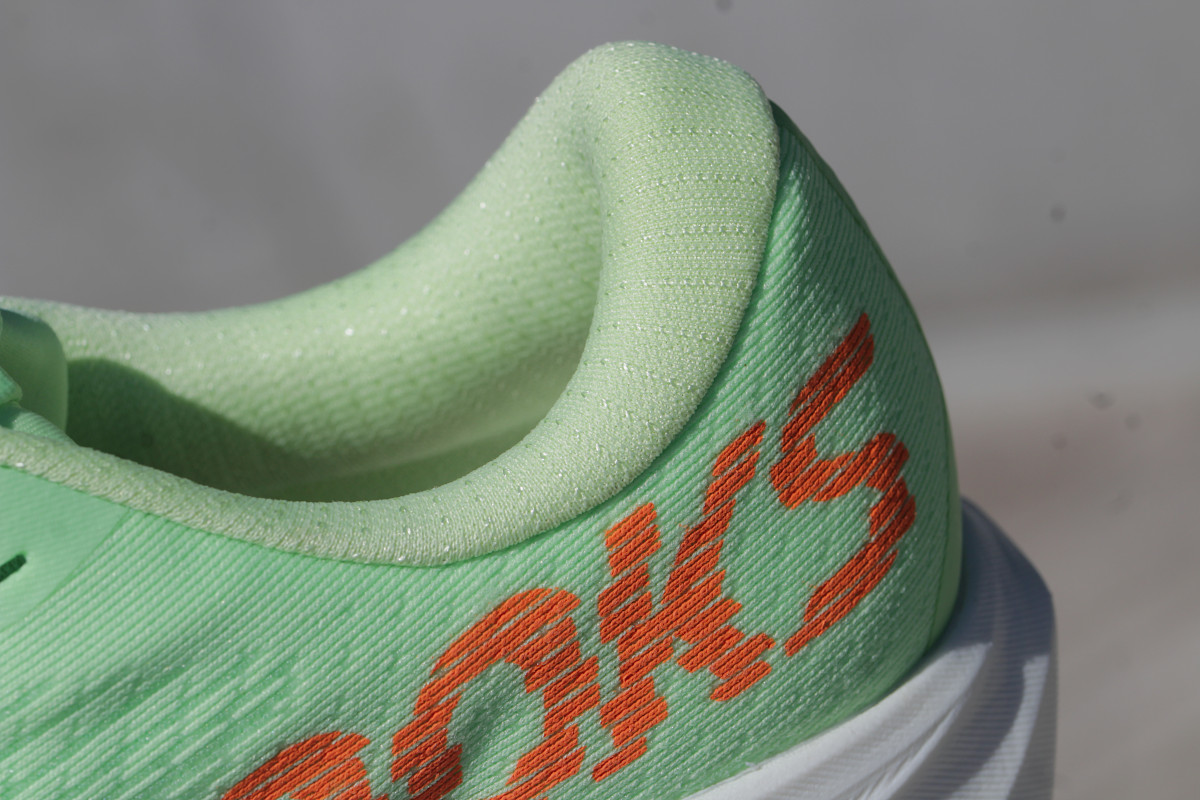
The rear of the shoe has also been designed with secure foot support in mind. The heel counter has a classic construction and is quite stiff. The stiffness is typical of a “training” shoe, aimed at securely holding the foot rather than allowing freedom of movement. Combined with the sole construction and the stiffness of the foam, this provides a secure fit during both slower and faster runs. Although the AMP has a noticeably livelier character, it still offers the comfort typical of the Ghost family.
Lightweight for a Training Shoe
According to the producer’s data, the Brooks Ghost AMP weighs 249 grams in the men’s version and 227 grams in the women’s version. That’s a very good result for a versatile training shoe with a heel-to-toe drop of about 36 millimeters. Compared to the Ghost 18, which weighs 289 grams, the difference is clear.
In my size, US 12, the Ghost AMP weighs 302 grams, which confirms that it is a relatively lightweight shoe in this category. Weight, therefore, isn’t a limiting factor when running faster. These are the elements that set the AMP apart from the classic Ghost. The lower weight, more springy foam, and stiffer forefoot create a construction that performs significantly better when you want to pick up the pace.
Summary
The Brooks Ghost AMP isn’t just a lighter version of the classic Ghost. It’s a distinctly more dynamic interpretation of the same concept. The use of more responsive foam, a lower heel-to-toe drop, and a more contoured geometry has resulted in a shoe that still performs well during daily training runs but responds much more eagerly to an increase in pace. That said, it’s not an aggressive speed training shoe. Its greatest strength remains its versatility. The Ghost AMP is a good choice for runners who appreciate the character of classic training shoes but expect more performance from them. If the usual Ghost seems too conservative to you, this is the model to take the next step with.