As the number of running shoes on the market grows, so does the amount of information – both true and false – about them. Let’s take a look at some popular myths – or maybe facts – about running shoes. Can they be washed? Is there one best model? Does a higher price mean better quality? Can they make you faster? These are just some of the questions worth answering.
Can You Machine Wash Running Shoes?
Washing running shoes is one of the more controversial topics and has sparked a lot of discussion. Officially, no manufacturer recommends washing shoes, as stated on the labels. Washing and detergents may weaken the bonds between the shoe’s components, though this is not guaranteed. There is also a risk that mechanical cleaning will deform the upper materials; even the slow rotation of the drum can damage the shoes.
Of course, the key words here are “may, but do not have to.” Many people repeatedly wash their running shoes in the washing machine with no ill effects. However, this does not mean that this will always be the case. Weakening of the connections and deformation can progress slowly. Personally, I prefer not to take the risk.
Expensive = Better? Not Always
In this case, you should try answering the question, “What does it mean for shoes to be better?” If “better” means more technical advancement, then usually, yes – the most advanced shoes are typically more expensive. Does “better” mean more cushioned or “faster”? Again, the answer is yes – more expensive shoes are usually more cushioned and “faster” precisely because they are more technically advanced.
However, if “better” means “more comfortable,” then the answer is no – there is no reason to claim that cheaper running shoes are less comfortable. Sometimes they are; sometimes they are not. Comfort is a highly individual matter because everyone defines it differently. If “better” means more durable, then the answer is no. Often, the most expensive constructions are the least durable, sacrificing lightness and dynamics. The best – i.e., the most durable – turn out to be cheap models with little technology.
Therefore, it cannot be said that more expensive is better because that is too general of a concept. The most expensive carbon running shoes are not the best choice for runners looking for comfortable shoes for jogging around the neighborhood. That’s not the way to go. A running shoe should be chosen primarily according to its intended use.
The Best Running Shoe – Does It Exist?
In various running groups and forums, one of the most frequently asked questions is: “What running shoes do you recommend?”
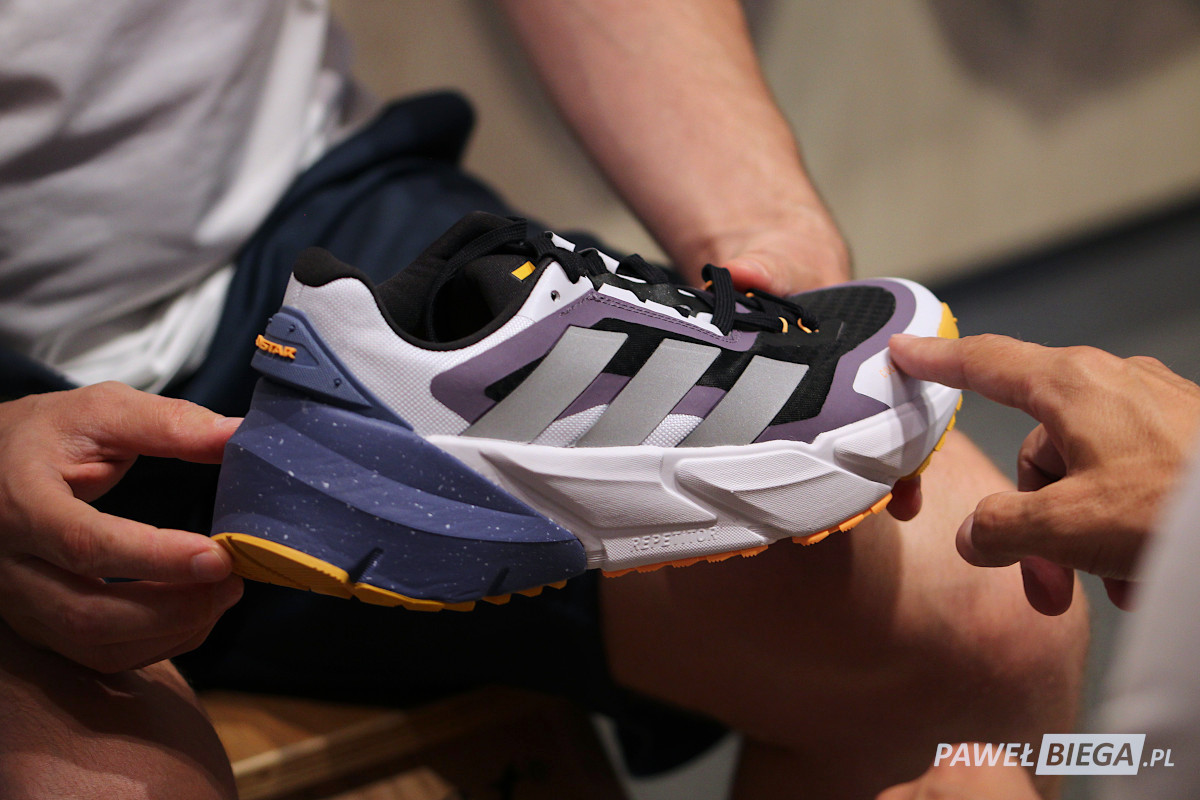
Unfortunately, choosing the perfect pair is not as easy as it seems. Running shoes are designed for different types of runners and their individual needs. What’s perfect for one person may be completely wrong for another. Every runner has their own preferences, unique running style, and specific foot structure. That is why there is no one best universal model. Approach recommendations from other runners with caution, and focus primarily on your comfort and how well the shoe meets your needs.
Running Shoes Break In Over Time
That’s nonsense, although it’s true that running shoes adapt to the shape of your feet over time. They are designed with soft inner materials that adapt to your feet’s anatomical curves. After just a few training sessions, the shoes will mold to the shape of your feet. This means that with each run, your new shoes will feel more comfortable than they did when you first put them on.
However, you cannot blindly rely on the “breaking in” process. It is not a solution to all doubts related to their fit. If the shoes pinch, squeeze, or cause pain or discomfort, do not expect them to adjust. This may never happen. It’s better to look for shoes that fit properly from the start. It’s also foolish to buy shoes that are too small and hope they’ll stretch over time. Your toenails will probably fall off first.
Size Up – Your Toes Will Thank You
Some runners ignore this fact. Running shoes should be about 0.5 cm longer than your foot when measured while standing. When trying them on, put them on and lace them up tightly. Then, without lifting your toes, check how much space remains between your toes and the tip of the shoe. If there is not even a minimal amount of space, you risk discomfort and potential problems while running.
A lack of space in running shoes often results in problems such as black toenails or blisters on the toes. This is especially important for long-distance running because our feet swell and weaken as the duration of the effort increases. The result is a flatter foot and even less space in the shoes. Therefore, the longer the distance you run, the more important extra space becomes. I explain how to choose the right size here.
Can the Right Shoes Keep You Injury-Free?
Regardless of which side of the running shoe debate you’re on – whether you prefer minimalist shoes or maximum cushioning -this is a myth. There is no evidence that any running shoe can protect you from injury. Nor will any shoes cure an injury. In most cases, these slogans are empty and have no basis in reality. Runners suffer injuries in every type and model of running shoe.
However, shoes are not completely irrelevant. In certain cases, their properties can help reduce the risk of injury. Sometimes, models with more cushioning are best, while at other times, shoes with increased stability or a stiffer midsole work better. Physical therapists often make such recommendations, and they are worth listening to because properly selected footwear can be one of the elements of injury prevention. However, if someone claims that a particular shoe model guarantees no injuries or completely eliminates them, run as far away as possible.
Running Shoes Can Make You Faster
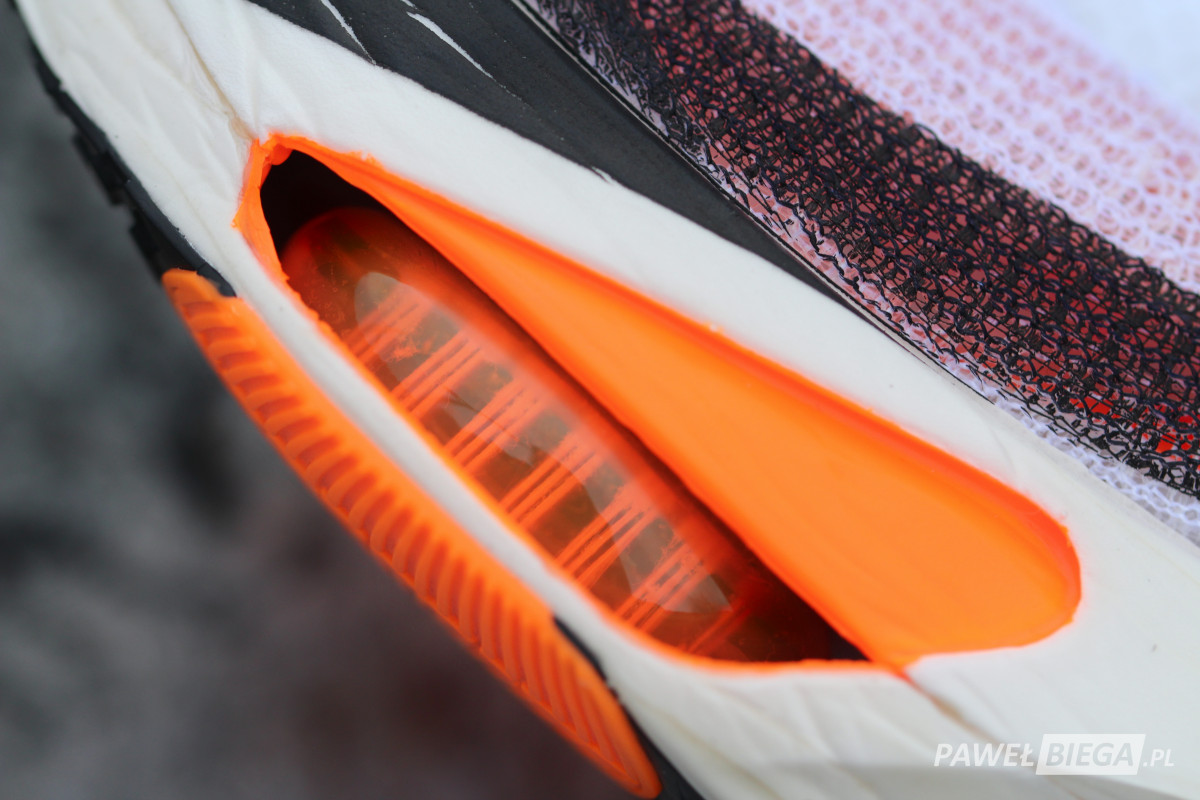
One of the oldest and most frequently repeated myths about running shoes is that wearing the right pair will make you a faster runner. However, this is not true! While modern carbon racing shoes can improve your running form and reduce muscle fatigue over long distances, they are no substitute for solid training. The key factors influencing speed improvement are systematic work, appropriately selected training units, regeneration, and proper running technique. Shoes can provide support, but they are not a magic solution – training is what makes you a faster runner!
Having the fastest (and most expensive) shoes without proper training is like having an expensive camera or a fast car. Owning the most advanced camera with the best lens does not automatically make you an outstanding photographer. Similarly, owning a sports car does not make you a professional racecar driver. Becoming a faster runner takes commitment to training and practice.