Two days before the marathon, you can’t improve your form anymore, but you can easily ruin it. This is the time to calmly wrap up your preparations, not to add more training intensity or try new things. What matters is recovery, reliable gear, and a simple race strategy. The less chaos there is now, the fewer surprises you’ll face on the course.
Stop Training
Two days before the marathon, you won’t be able to improve your fitness anymore. However, you can very easily make yourself feel worse and lose your freshness for race day. The pace at which you’ll run and how well you’re prepared for the marathon were determined during many weeks of training. The last 48 hours aren’t the time to catch up.
Now is the time to trust your training plan. If you feel like you haven’t done enough, don’t try to make up for it with an extra run or a harder workout. That approach will do more harm than good. You could tire out your muscles, hinder your recovery, or sustain a minor injury right before the race.
In the running community, there’s a long-standing rule that it’s better to line up at the starting line slightly under-trained than even a little over-trained. In the final week before the marathon, it’s much safer to skip one workout than to do one too many. Two days before the race, this rule is especially important.
If you really need to get moving, opt for a short, easy warm-up lasting 20–30 minutes. The goal is no longer to build up your fitness, but to maintain your well-being and feel fresh before the race.
Make Sure To Rest and Get Enough Sleep
Two days before the marathon, recovery is more important than any training. Take every opportunity to rest. If you don’t have to do any heavy work or spend many hours on your feet, just don’t do it. What matters now is conserving as much energy as possible for race day.
Sleep is just as important. Try to go to bed a little earlier than usual and, if you can, allow yourself to sleep in a bit longer in the morning. Even a dozen or several dozen extra minutes of sleep helps your body recover.
Don’t worry, however, if you sleep a little worse from Friday to Saturday (or from Saturday to Sunday) right before the marathon because of nerves. That’s normal. What matters much more is the quality of your sleep during the two to three nights leading up to the race.
It might also be a good idea to take a moment to relax. A warm bath, a few minutes with a book, or a leisurely walk will help you unwind and lower your stress levels before the race. Remember, though, not to make the bath too hot or too long, as this can lead to dehydration.
Get All Your Gear Ready for the Start
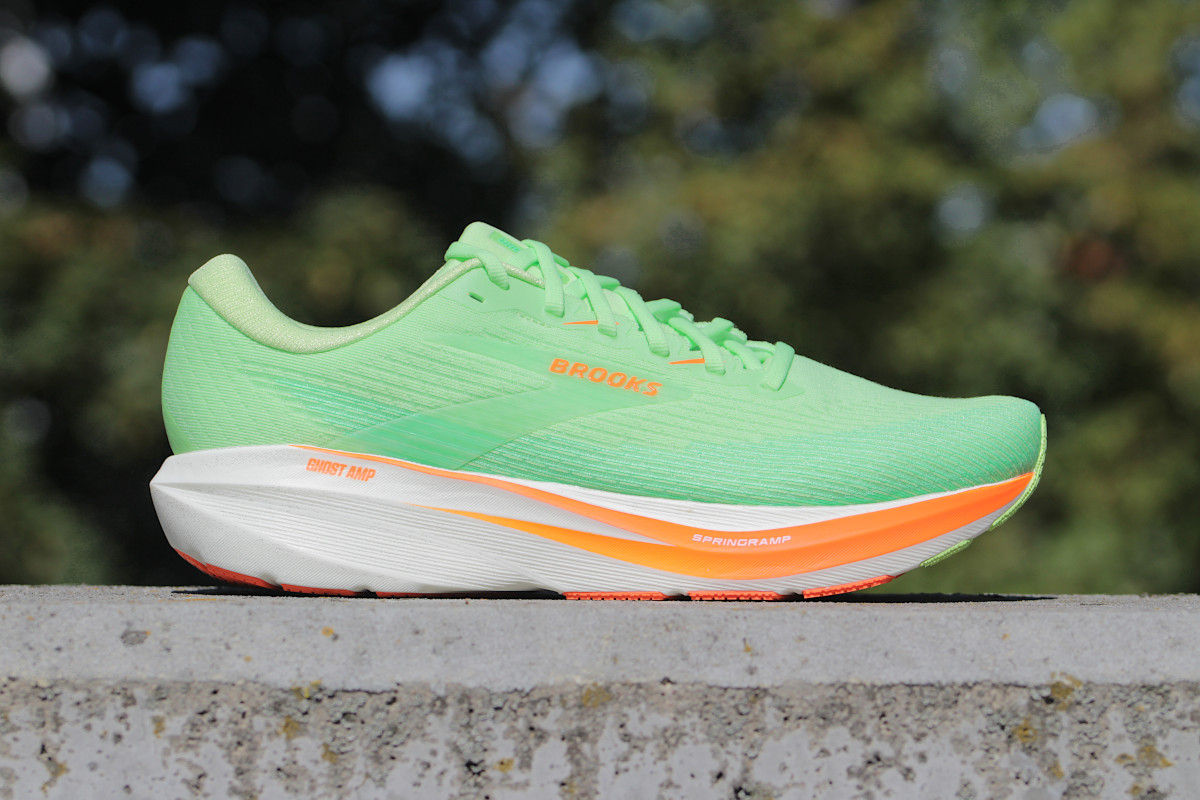
Two days before the marathon, all your gear should already be assembled and checked. This applies above all to your shoes. The model you’ll be running in should already have been used for a dozen or so training runs, and ideally also for a longer run. Race day is not the right time to test new shoes.
The same rule applies to clothing. Your shirt, shorts, socks, and underwear should be familiar and have been tested during training. If they need freshening up, you can wash them so they’re clean and ready to go at the starting line. However, avoid switching to a different model or wearing anything for the first time.
It’s also a good idea to prepare all your other gear: your racing number, safety pins or magnets, a watch, a belt or vest, energy gels, and anything else you plan to take on the course. It’s best to pack everything two days before the race. This way, you’ll avoid frantically searching for small items on race day.
What about the T-shirt from the racing packet? If you like it, wear it after the race and enjoy it as a souvenir. For the starting line, choose a tried-and-true T-shirt that you’ve already trained in. Even clothing from reputable brands may have seams or a cut that, over 42 kilometers, will prove less comfortable than they seemed at first glance.
Plan Your Nutrition and Hydration Strategy
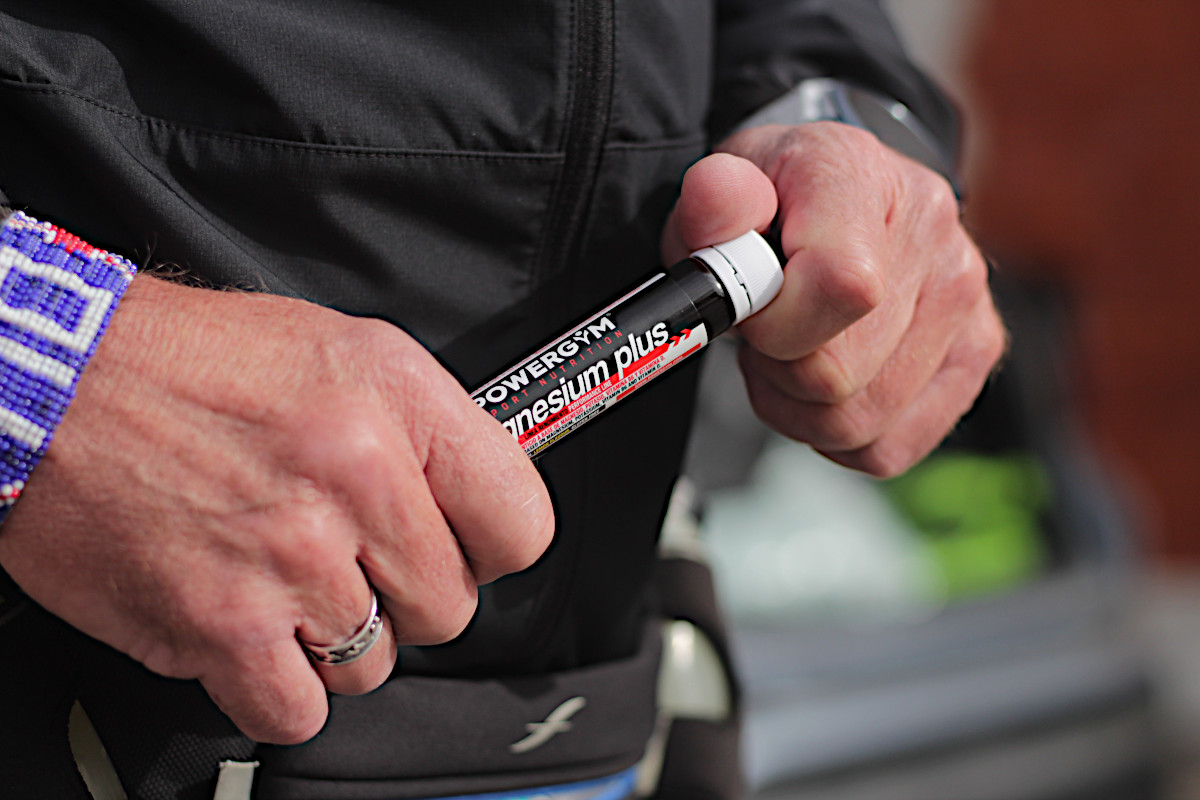
If you plan to use energy gels, they should be products you’re already familiar with from your training. A marathon isn’t the right time to try out new flavors or brands. For some runners, they won’t cause any problems, but for others, they could lead to stomach issues and the need to slow down or even stop along the course.
Two days before the race, it’s a good idea to review your nutrition plan one more time. If you plan to consume three energy gels, a good strategy is to take them around the 10-, 20-, and 30-kilometer marks. Of course, the exact timing depends on your pace, the race duration, and your individual strategy, but this approach works well for many marathoners.
It’s best to wash down the gels with water. To do this, take a look at the race route and the locations of the water stations. A good method is to take out and open the gel a few dozen meters before a refreshment station, eat it just before reaching it, and then wash it down with water from a cup. This makes the gel easier to digest and reduces the risk of digestive issues. If you planned to eat a gel at the 20-kilometer mark, but the nearest water station is at the 21-kilometer mark, simply postpone eating the gel by these kilometers. It’s not worth sticking rigidly to a pre-determined plan. It’s much more important to wash down the gel with water than to eat it exactly at a specific kilometer mark.
Eat Light and Replenish Your Glycogen Stores
2–3 days before the marathon, carbohydrates should form the basis of your diet. These replenish glycogen stores and prepare your body for prolonged exertion. In practice, this means that during this period, you simply eat more of them than usual. Your meals might include pasta, rice, grains, couscous, or potatoes. This isn’t about a one-time “force-feeding” session, but rather a consistent increase in the proportion of carbohydrates in every meal. During this time, it’s easy to jokingly fall into a routine like pasta for breakfast, rice for lunch, and pasta for dinner. And that’s not far from the truth.
However, it’s important not to overdo it. This isn’t a test to see how much you can eat. The goal is to consume more carbohydrates, but still in normal, comfortable portions. Overeating won’t improve your performance – it might only make you feel worse.
The day before the race, you should finish your larger meals in the evening. Dinner is the last substantial meal before the race. It should be light, easy to digest, and consist of familiar foods.
On the morning of the marathon, there’s no room for a heavy meal. A large portion of pasta or another “carb classic” can only weigh down your stomach. All you need is a small, tried-and-true breakfast, exactly the same as what you eat before a regular training session. Nothing new, nothing experimental.
And that’s it. Your legs will take care of the rest.