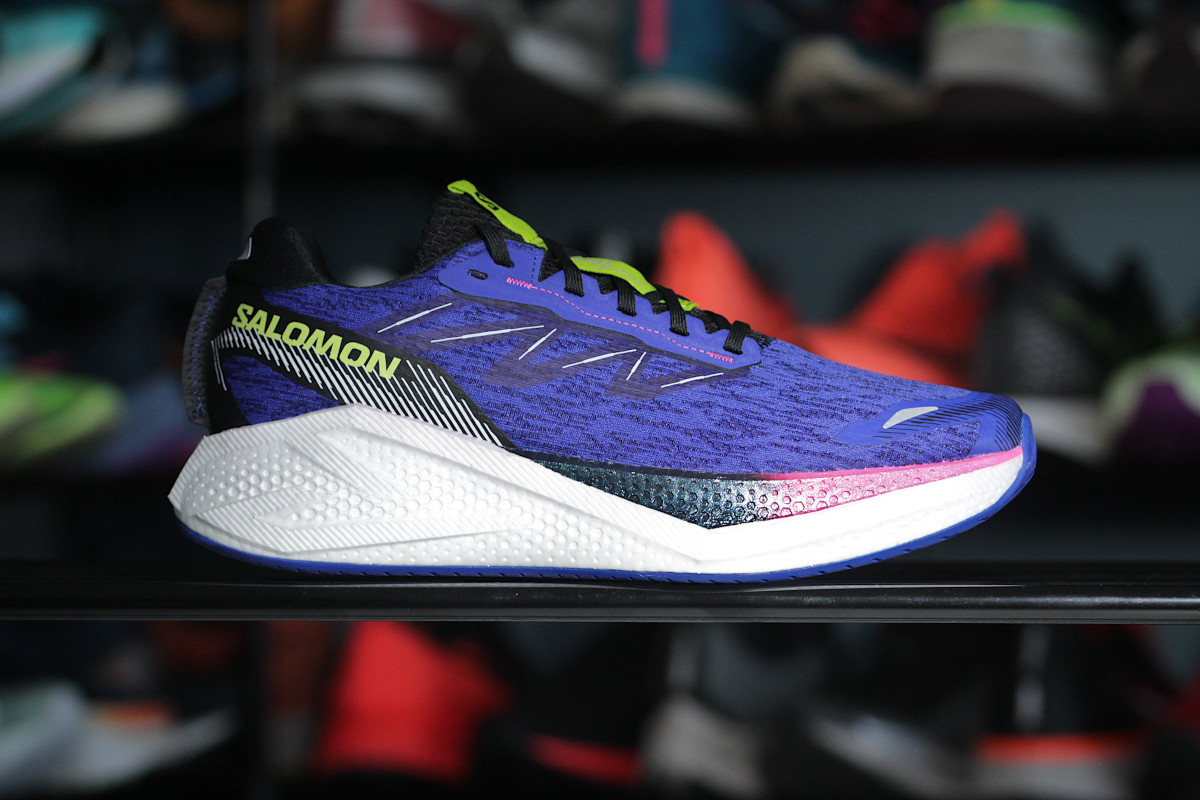
Just a few years ago, Salomon was primarily associated with trail running. Today, the brand is increasingly asserting itself among the best road running shoes, and the Aero Glide 4 is becoming an ever-stronger contender in this category. It’s a maximally cushioned model designed for daily training that prioritizes comfort without sacrificing performance. Not enough? It’s also worth noting that it’s a surprisingly lightweight shoe in the max cushion category. That makes it a model you shouldn’t pass up.
Basic Info
Tech Specs
Best For
The Salomon Aero Glide 4 is a running shoe with maximum cushioning for hard surfaces – streets, sidewalks, and paved gravel roads. This model is designed for daily workouts and long runs, when comfort and joint protection are the top priorities. It performs best at a relaxed pace, during easy runs, and when covering a high mileage.
Pros
- very high, soft cushioning
- comfortable contour that makes it easier to run on the forefoot
- lightweight (among the top 14% of the lightest shoes with this level of cushioning)
Cons
- fairly narrow upper; not suitable for runners with wide feet
Key Features – What’s New in the Latest Edition
Salomon Running Shoes – Lineup
Salomon’s lineup of road running shoes is still significantly smaller than its collection of trail shoes, but it’s becoming more comprehensive with each new generation. The Aero Glide 4 stands out as the most comfortable training model in the lineup. It’s a shoe designed for everyday running, long runs, and recovery runs.
Lower down in the lineup is the more versatile and slightly less cushioned Aero Blaze. For fans of more than just urban running, both of these models also have gravel counterparts – which perform better on mixed surfaces.
Want to learn more about Salomon’s urban and suburban running shoes? Check out this shoe guide.
| MIASTO | GRAVEL | |
|---|---|---|
| maksymalna amortyzacja | 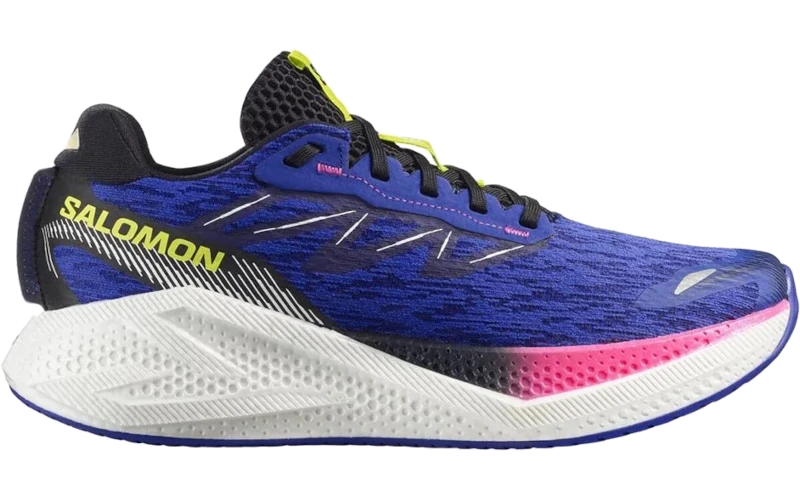 Aero Glide 4 | 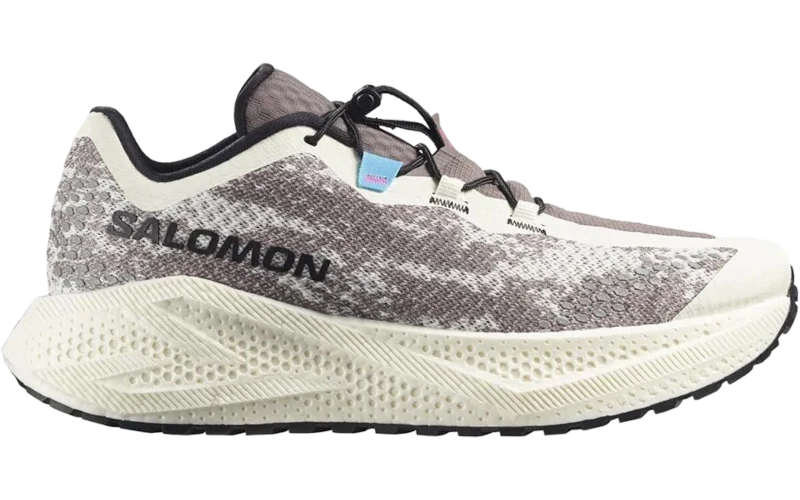 Aero Glide 4 GRVL |
| bardzo dobra amortyzacja | 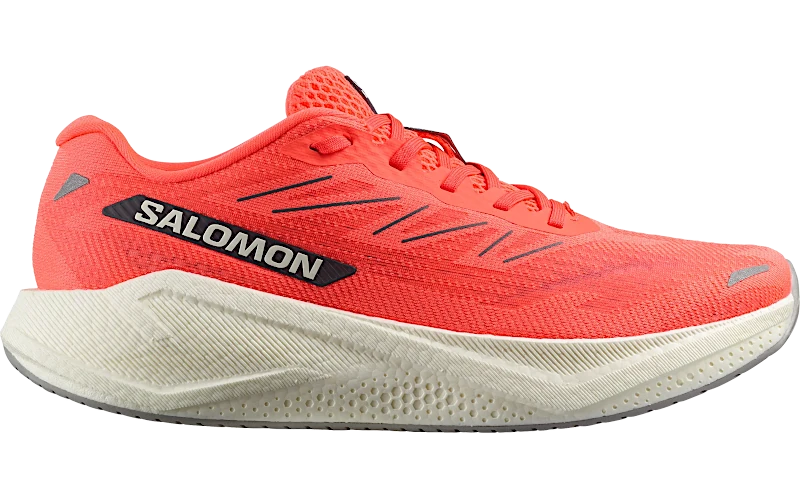 Aero Blaze 3 |  Aero Blaze 3 GRVL |
Role in the Running Shoe Rotation
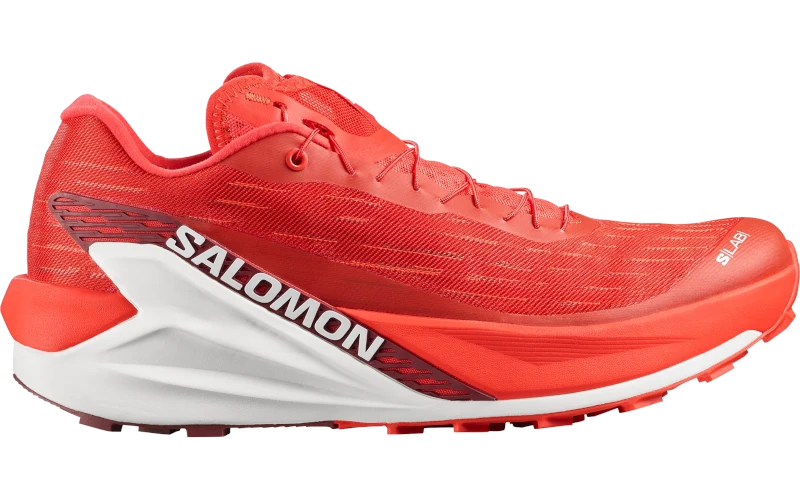
When it comes to Salomon, it’s hard to put together a sensible shoe rotation without turning to the trail running lineup, which features four times as many models as the road running lineup. That’s why the Aero Glide 4 is the shoe for trail running enthusiasts who love this brand and don’t want to give it up when running around town. In practice, you can use the Aero Glide 4 for most of your city runs. For trail running, a shoe in a similar comfort class would be the Ultra Glide 4 – it’ll perform well in both relaxed daily trail runs and ultra races. For your fastest trail sessions, the S/Lab Pulsar 4 is a great option. With these three models, you get cushioning, protection, performance, and traction all at once – and that’s just with three trail shoe models.
| AERO GLIDE 4 | ULTRA GLIDE 4 | S/LAB PULSAR 4 |
|---|---|---|
|  |  |
| codzienne bieganie po szosach | codzienne bieganie w terenie, biegi ultra | szybkie bieganie w terenie |
Similiar to Salomon Aero Glide 4
The Aero Glide 4 competes with the most popular models in the maximum cushioning segment. It’s a shoe for runners who expect high cushioning and comfort during their daily workouts. Salomon stands out in this group not only for its cushioning but also for its slightly greater responsiveness and performance. As a result, the Aero Glide 4 will appeal to those who want to combine a high level of cushioning with a bit of energy. If, on the other hand, you’re looking for an exceptionally soft, almost “couch-like” shoe, there are models on the market with a more plush feel. Salomon tends to focus on a compromise between comfort and the smoothness and performance of the run.
| MODEL | STACK HEIGHT (mm) | DROP (mm) | WEIGHT MEN'S (grams) | WEIGHT WOMEN'S (grams) | REGULAR PRICE (€) |
|---|---|---|---|---|---|
| adidas Hyperboost Edge | 45/39 | 6 | 258 | n/a | 200 |
| Asics Gel-Nimbus 28 | 43.5/35.5 | 8 | 281 | 242 | 200 |
| Brooks Glycerin 23 | 38/30 | 8 | 300 | 269 | 180 |
| Brooks Glycerin Max 2 | 45/39 | 6 | 298 | 270 | 200 |
| Diadora Atomo Star | 41/35 | 6 | 275 | 215 | 190 |
| Hoka Bondi 9 | 43/38 | 4 | 306 | 252 | 180 |
| Mizuno Wave Sky 9 | 44/36 | 8 | 290 | 230 | 190 |
| New Balance 1080 v14 | 38/32 | 6 | 298 | 236 | 190 |
| New Balance More v6 | 44/40 | 4 | 306 | 241 | 170 |
| Nike Vomero Plus | 45/35 | 10 | 292 | 242 | 170 |
| Nike Vomero Premium | 55.5/45.5 | 10 | 351 | 278 | 230 |
| On Cloudmonster 2 | 35/29 | 6 | 295 | 230 | 190 |
| Puma Magmax Nitro | 46/38 | 8 | 290 | 250 | 190 |
| Saucony Triumph 23 | 37/27 | 10 | 263 | 239 | 190 |
| Salomon Aero Glide 4 | 41/33 | 8 | 250 | 215 | 160 |
Soft, but With Character
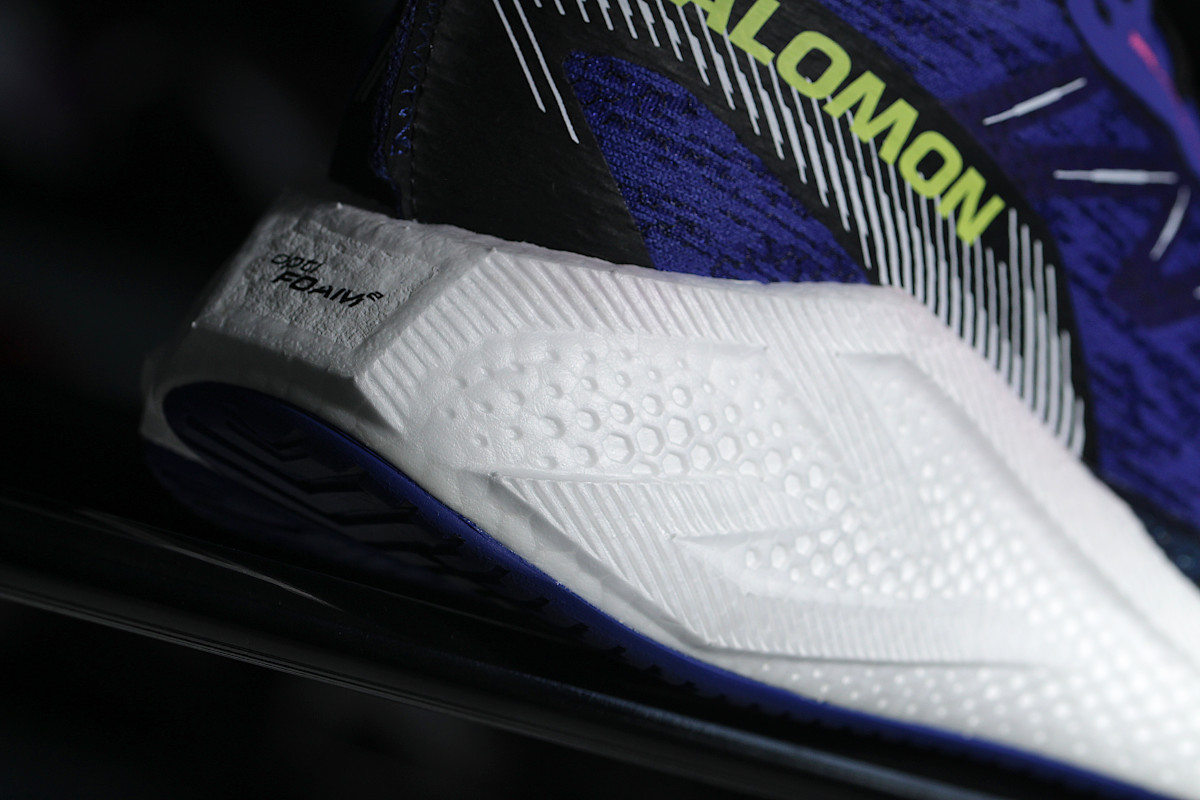
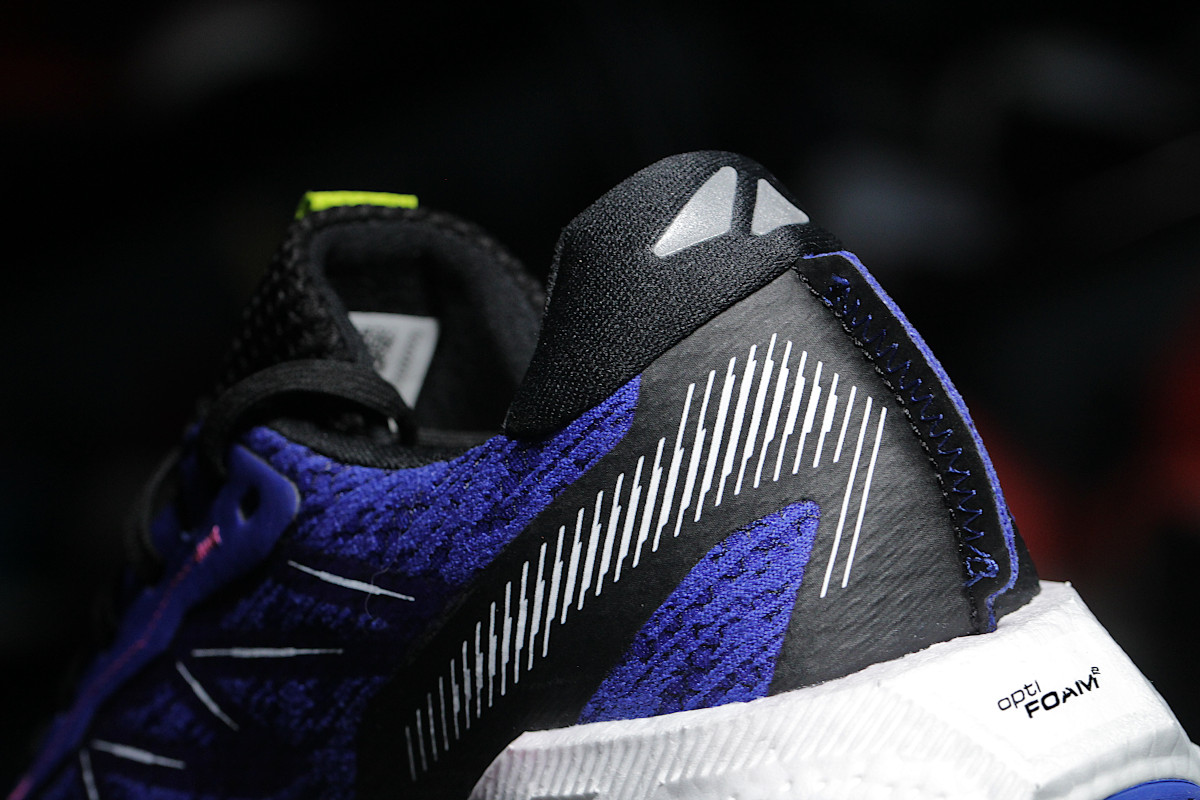
The Aero Glide 4’s sole features optiFOAM2 foam, which makes ample and comfortable cushioning possible and noticeably increases bounce. As befits a shoe in the max cushion segment, the sole is really thick. There’s about 41 mm of foam under the heel and about 33 mm under the midfoot, resulting in an 8-millimeter drop. That’s enough to make the shoe very soft and very well cushioned. If this is your first time wearing them, you’ll be surprised at just how soft a Salomon city shoe can be.
At the same time, despite such a substantial amount of foam, the shoe retains a fair amount of performance. The foam not only compresses to absorb impact on hard surfaces but also rebounds slightly, adding a bit of performance. The smoothness of your stride is also enhanced by Reverse Camber technology, Salomon’s signature sole profile. The sole is distinctly contoured, which facilitates the roll of the foot from heel to toe and ensures that even a high-top shoe doesn’t feel clunky.
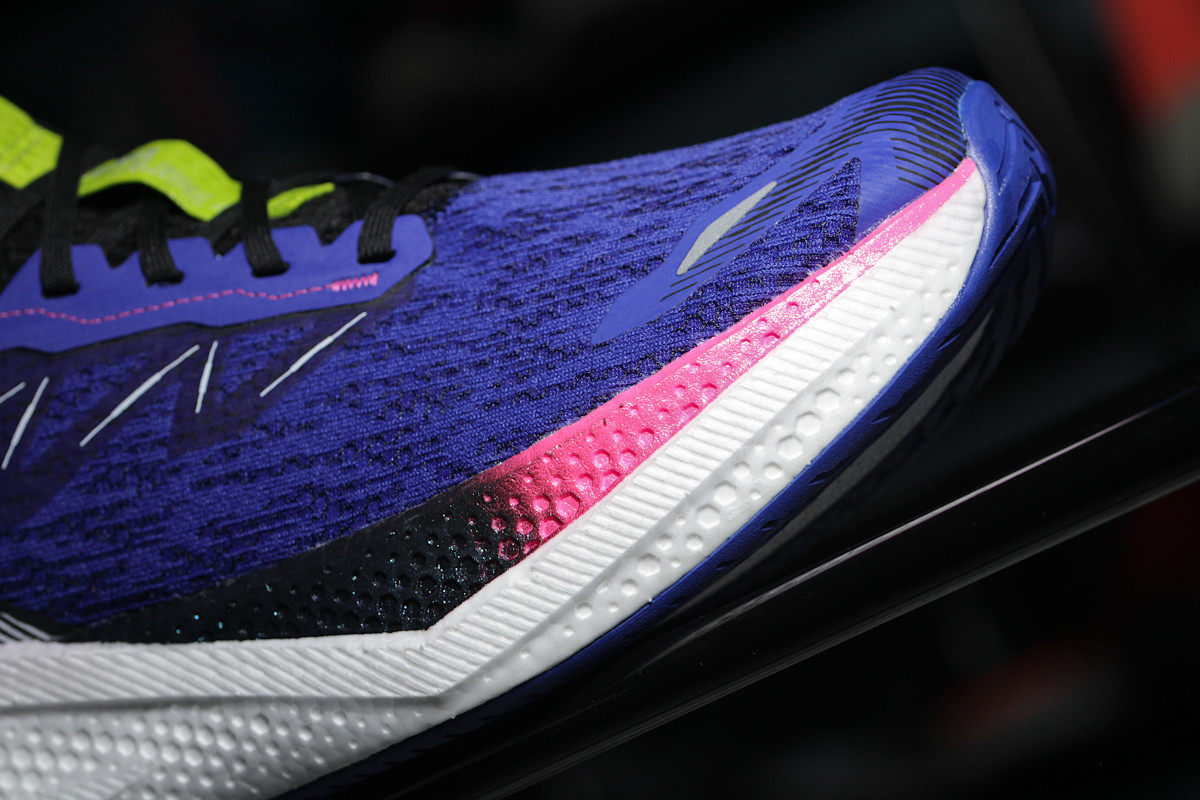
Importantly, the rocker isn’t overly aggressive. It doesn’t force a specific running technique or create that “pushing” sensation often found in some racing models. Its primary purpose is to smooth out the roll and take the strain off the legs during long-distance runs. It’s a design that most runners will find natural rather than overpowering.
Runners who log high training volumes will particularly appreciate these characteristics. The high level of cushioning will work well for both heavier runners and those preparing for half-marathons or marathons. The Aero Glide 4 performs best during easy training sessions and long runs, where comfort matters most.
Traction with No Surprises
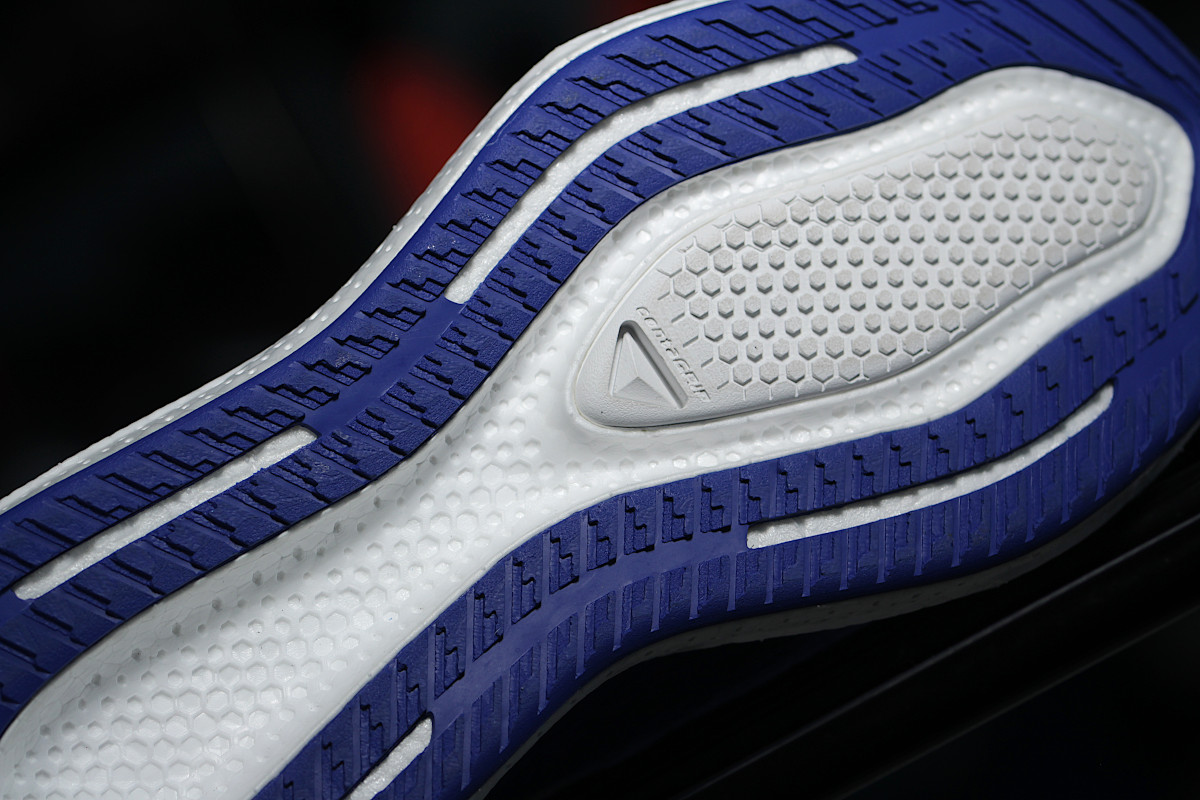
Traction is provided by the Road Contagrip outsole, a rubber compound designed for running on roads and other hard surfaces. The most durable outsole rubber is concentrated on the outer edges of the outsole, which is more than enough. The outsole pattern features a shallow, dense design up to 1.7 millimeters deep, which performs well on streets, sidewalks, or paved gravel roads.
However, if gravel roads make up the vast majority of your running routes, you should choose the Aero Glide 4 GRVL – it’s the gravel counterpart to the road-running Aero Glide, featuring a deeper outsole designed specifically for running on gravel.
Comfort Starts With the Fit
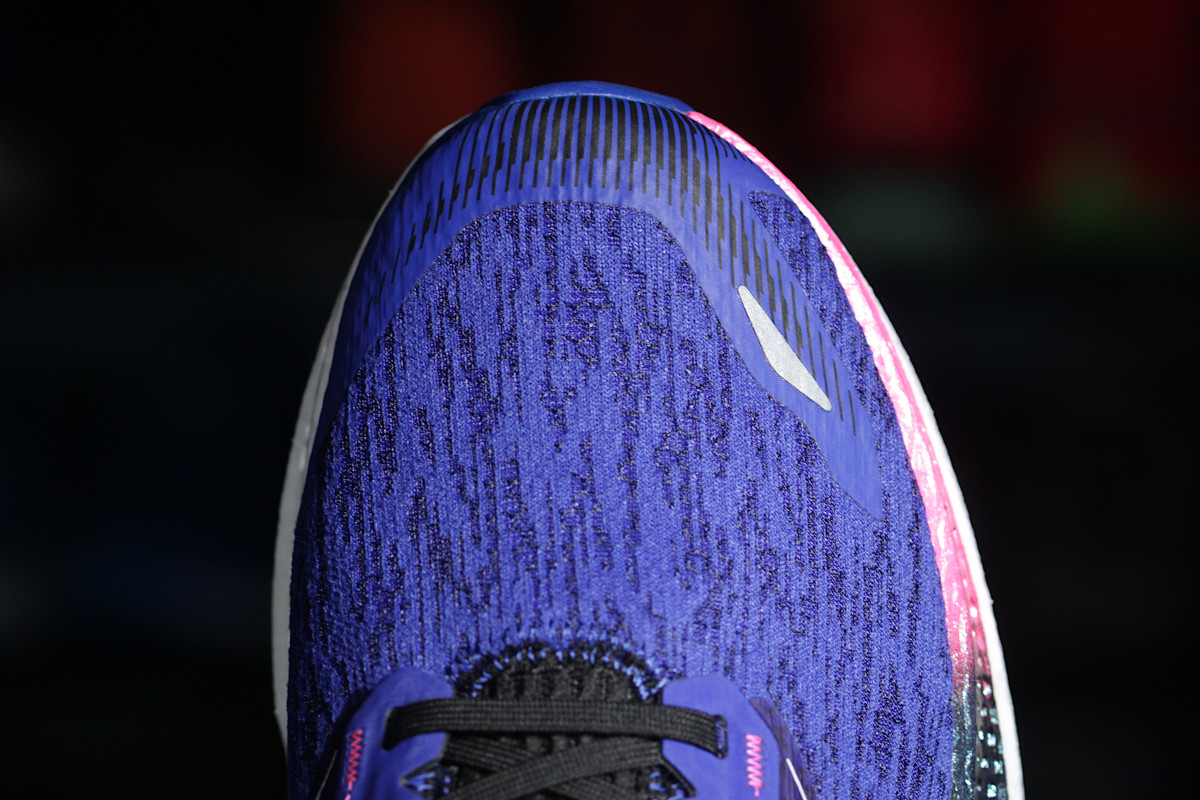
The Aero Glide 4 upper is made of a technical, seamless mesh typical of modern running shoes. There are no surprises in its design. Its fit is somewhat “Salomon-style” – that is, rather snug than loose. Compared to other shoes in this class, it offers a reasonable amount of space and freedom in the forefoot. If you’re a runner with a narrow or standard foot, there will be enough room, and your toes will have space to move. If you have a wider foot, the Aero Glide 4 might be too narrow for you. It’s worth checking this to avoid unpleasant surprises later on.
In the midfoot, the shoe traditionally holds the foot more securely than in the toe box. This is thanks to the familiar SensiFit system – the distinctive stabilizing straps running along the outer and inner sides of the upper. In practice, they hold the foot more securely than most training shoes with this level of cushioning. The fit is snug rather than loose and roomy. This also works in tandem with the less spacious forefoot, so to reiterate – if you don’t have a very wide foot, this will be a good choice.
The rear of the shoe is classic for this class of shoe. The heel counter is tall, deep, and fairly rigid, with an internal clip that stabilizes the heel and limits its side-to-side movement. The entire interior is also padded with a moderate amount of foam, which increases comfort while providing secure heel support. Is there anything else to say about the heel counter? Probably not.
Lighter Than It Looks
According to the producer’s data, the Aero Glide 4 weighs 250 grams in the men’s version and 215 grams in the women’s version. These are low figures for the maximum cushioning shoe segment. In my size, US 12, the shoe is naturally heavier and weighs 310 grams. Even so, it still comes across as lightweight compared to the competition in the “max-cushioned shoe” category. Many similarly tall models are significantly heavier, often reaching 330–350 g. Within this group, the Aero Glide 4 ranks among the lightest 14% of models.
This means the Aero Glide 4 combines the best of both worlds: plenty of foam and a high level of protection, but without the bulkiness often associated with such constructions. As a result, the shoe not only provides pleasant cushioning but also doesn’t feel heavy or slow you down as much as you might expect given its size.
Summary
The Aero Glide 4 proves that a shoe from the max cushion segment doesn’t have to be heavy or sluggish. It’s one of the most successful road running shoes in Salomon’s history, offering a very high level of comfort while maintaining surprising performance and a pleasant lightness. However, it’s worth trying it on before buying, especially if you have wide feet or prefer very roomy uppers. The tighter fit can be both an advantage and a disadvantage of this model.