Choosing the right running shoes is crucial for every runner’s comfort and safety. Many people would like to have a single pair of shoes for both city and trail running. Is that even possible? In this article, we’ll look at which type of shoe works best in different conditions and explain the differences between city and trail running. We’ll also explain that there is no such thing as a “one-size-fits-all” shoe.
The Differences Between City Shoes and Outdoor Shoes
First, it’s worth explaining the differences between shoes designed for city running and those designed for trail running. Each type is built to meet different requirements.
Features of city running shoes:
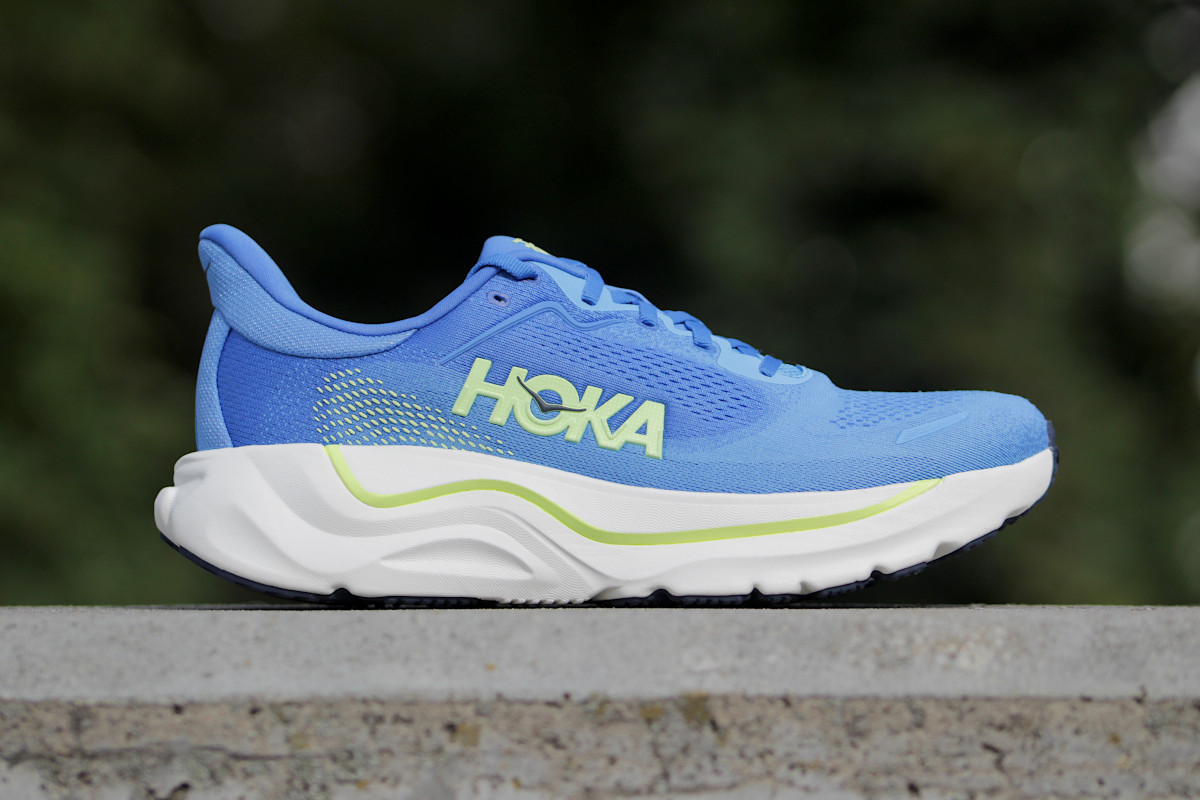
- typically better cushioning and a softer sole,
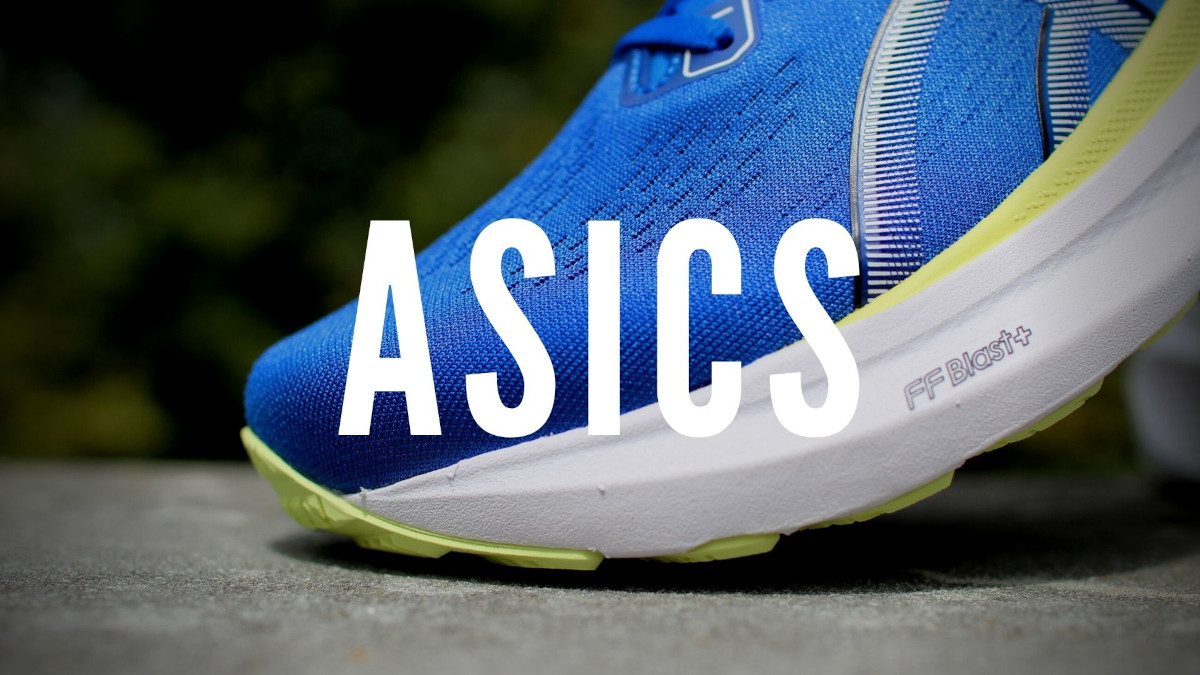
- a significantly thinner and more breathable upper,
- a shallower outsole made of more abrasion-resistant rubber,
- sometimes additional features (such as carbon inserts) designed to improve rebound, which works well on flat surfaces.
Features of trail running shoes:
- sometimes a harder, less cushioned but more stable sole for rough terrain,
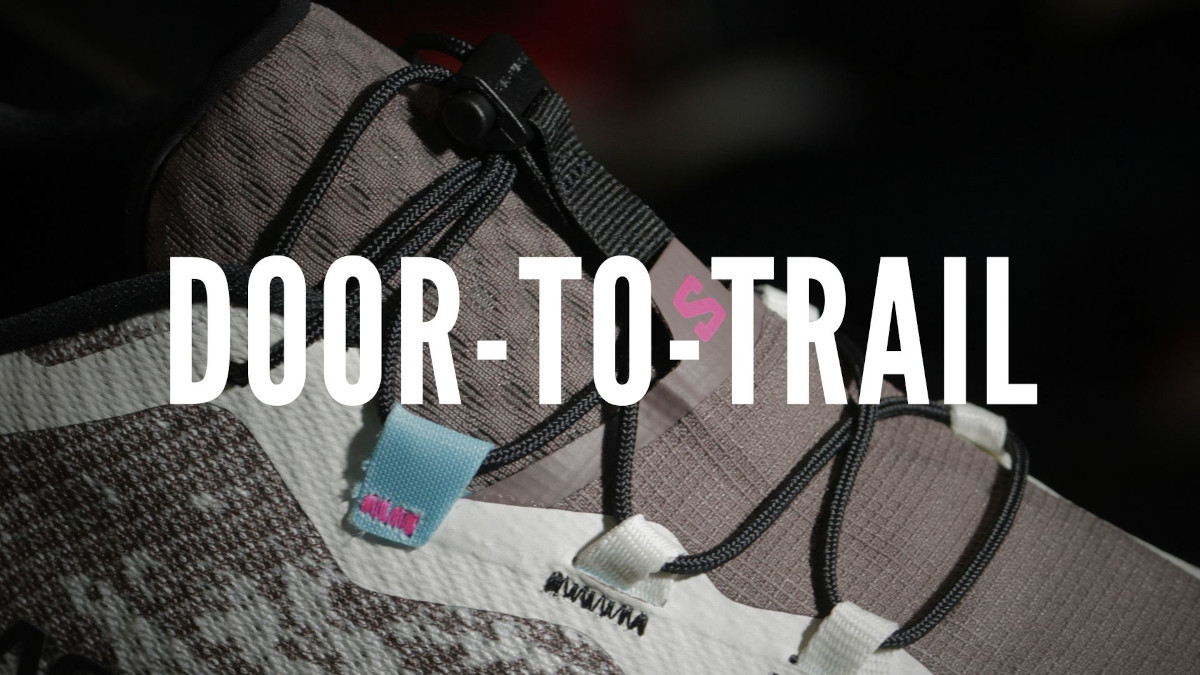
- usually a less breathable but more enclosed upper to protect the foot on the trail,
- deep or even very deep outsole to provide traction on trails and soft surfaces.
Some might say that they’re just shoes and that you can do trail running off-road and in the mountains in city shoes, and run a city marathon in shoes designed for rough, muddy terrain. Theoretically, it’s possible and often works, but it’s worth remembering that, just like anything else, running shoes have their intended purpose. It’s a similar situation with cars: you can drive a small city car into the woods. It’ll manage on simple gravel roads. You might even drive it a bit deeper into the woods than you expected, but… if you want to drive in rough terrain, an SUV with four-wheel drive will work better.
Similarly, you could also drive a four-wheel-drive SUV through the neighborhood to the bakery to get some rolls… But do you really need such a beast just to drive around the neighborhood?

How Do You Choose Shoes for Mixed Terrain?
City + occasional forest (hard trails)
If, when you think of off-road terrain, you picture a forest and wide forest paths, then trail shoes may not be necessary. Compacted soil and gravel are still hard surfaces, where shoes with better cushioning are a better choice than deep trail outsole designs. If, on top of that, you run on these trails relatively rarely and they account for at most 1/4 of your mileage, trail shoes are completely unnecessary. Deep lugs won’t serve their purpose and will wear out quickly. It’s also worth remembering that most trail shoes have a closed upper, which limits foot ventilation and is completely useless in urban conditions.
In this case, city running shoes are definitely a better choice. Just make sure their outsole isn’t completely flat.
Mainly forest, occasional road (up to 20%)
Of course, proportion is key here. If your mileage is heavily dominated by forest (trail) runs and city running is a distinct minority, it’s worth considering trail shoes. In such cases, these advantages – such as stability on the trail, a foot-protecting upper, or a grippy outsole – can come in handy. You should assess for yourself how often you run on such terrain. For these purposes, it’s also worth choosing trail shoes with a slightly lower, versatile outsole. When you run on an asphalt road in them, it won’t be uncomfortable.
It’s worth choosing first and foremost from among versatile trail running shoes.
Half-and-half running (50/50)
Finally, there are also shoes on the market for those who split their running time equally between light trail running and city running. This shoe combines features of both trail and road running shoes. It is often very well cushioned and comfortable. It has soft, breathable uppers with fewer reinforcements for greater comfort and freedom of movement. They borrow the outsole pattern from trail shoes, which has larger lugs and a deeper texture to grip tougher off-road surfaces.
Following the example of the cycling market, Salomon has named this segment “gravel.” See which other models will work well when you run sometimes on gravel, sometimes in the city.

The City and the Mountains – Is One Pair of Shoes Enough?
If you combine city running with trail running in any combination, unfortunately, you won’t be able to choose just these shoes. Flat roads and mountain trails place such different demands on shoes that trying to find these shoes that work for both is doomed to fail. City shoes won’t meet the challenges of the mountains, and mountain shoes may not be comfortable in the city, and their outsole is very likely to wear out quickly on asphalt roads.
In that case, it’s worth investing in two pairs – one for city running, the other for trail running. You might even consider choosing slightly simpler and cheaper models. In my opinion, this will be a better choice than trying to find a happy medium, which doesn’t exist in this case. As the saying goes, if something is good for everything, it’s good for nothing.
So choose wisely and share in the comments which shoes you use to combine city running with trail running.