Running is a simple activity that doesn’t require much money or time. All you need to get started is a well-fitting pair of running shoes and sweat-wicking clothing. You don’t have to commute to the gym or anywhere else. You can start running right outside your door! Furthermore, running is a great way to stay in shape, meet new people, and discover new places. Where should you start?
Your First Running Shoes: How to Choose Wisely
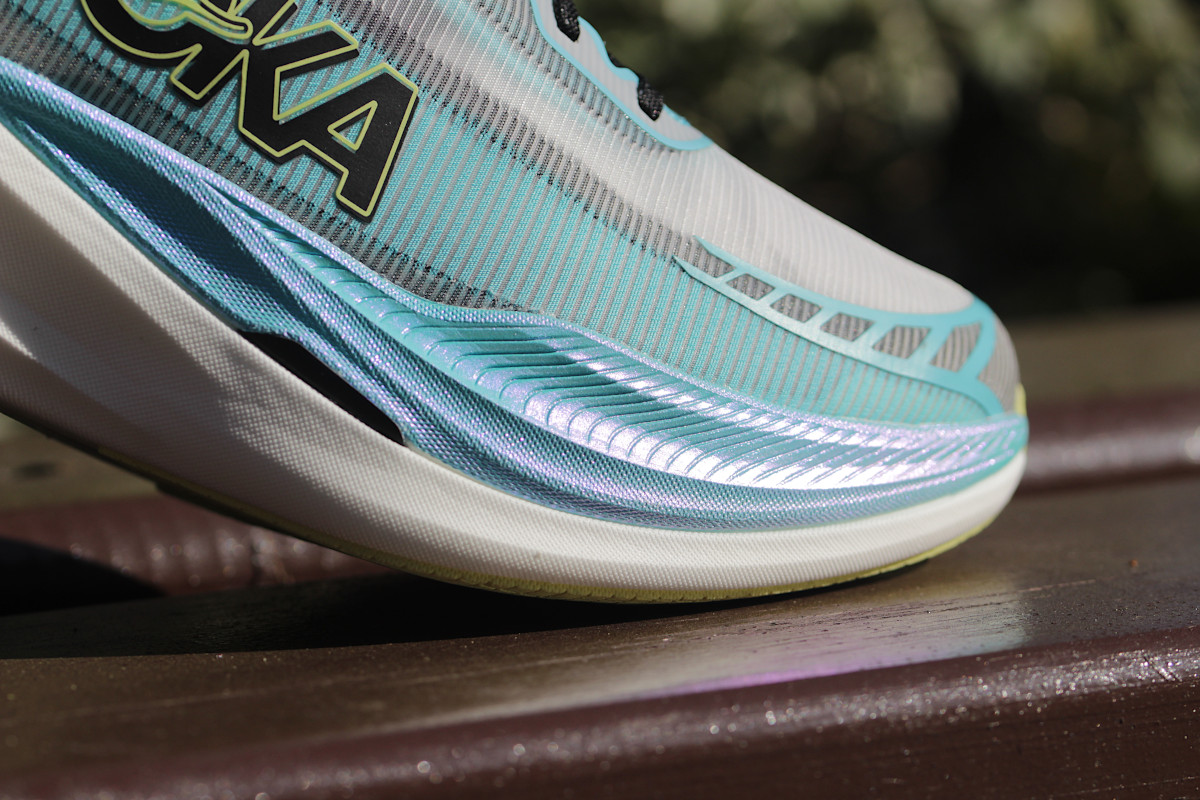
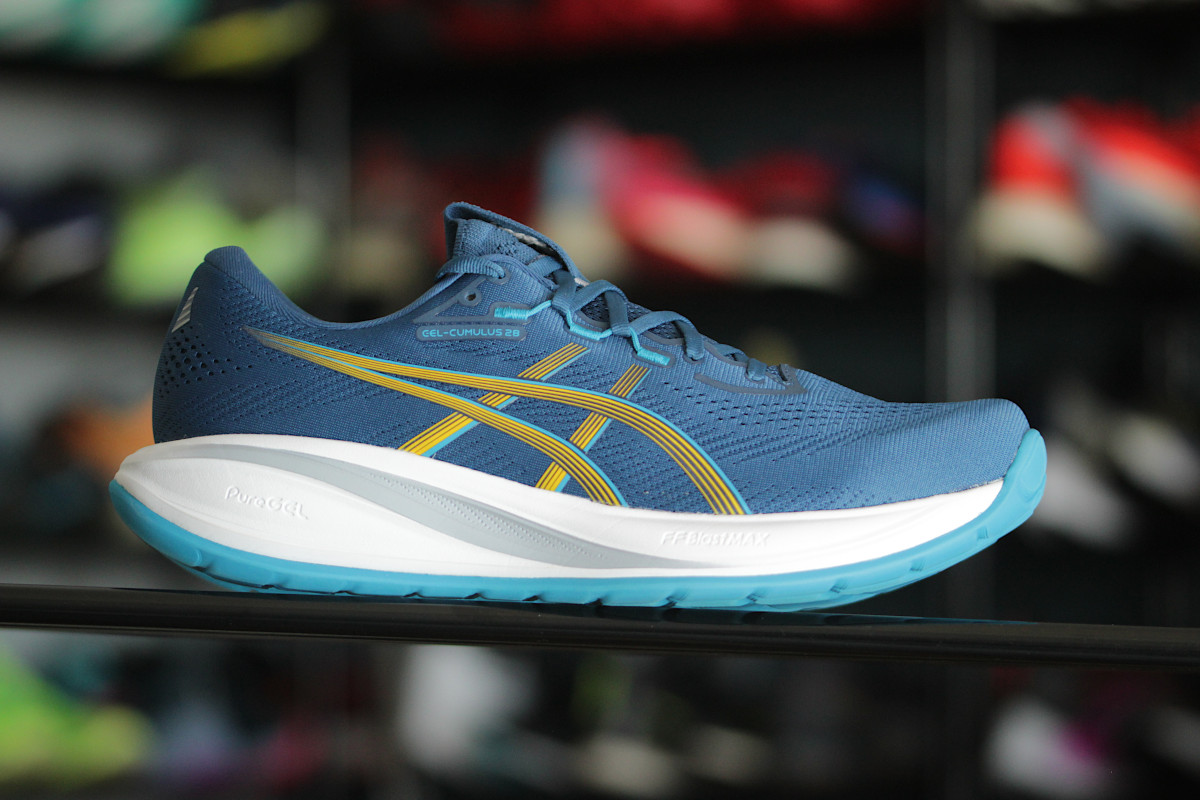
Some say that comfortable shoes are all you need to start running. However, they should be running shoes. Not every comfortable shoe is the best choice for running. Before you start running, you need at least a basic running shoe. Light and slim people have an advantage because basic models usually have less cushioning, which isn’t a problem with low body weight. If you are overweight and just starting to run, you should have better-cushioned shoes from the beginning if you want to run safely. These shoes will also be slightly more expensive.
To choose the right shoes, go to a specialty running store. In addition to offering a wide selection of shoes, the salespeople are experienced runners who can help you choose the right model and size. Remember that running shoes should be larger than your everyday shoes. During running, your foot needs more space in terms of both length and width. Your foot size also changes with the duration of the run, so don’t rely on your everyday shoe size. Running shoes should have an extra 0.5 to 1 centimeter of space when laced and standing.
Running shoes should be comfortable from the moment you put them on. Don’t buy a pair thinking they will “break in” or “stretch out.” Choose the most comfortable pair from the start. The ideal pair of shoes makes you feel like you’re not wearing any shoes.
Why Starting Slow Matters
If you are just starting to run, it is important to begin slowly and adjust your training to your current level. If jogging is difficult, try walk-run intervals, alternating between walking and running. This is an excellent way to gradually acclimate your body to the exertion without overwhelming it initially. On the other hand, if you can easily run five kilometers, you can skip the walking stage. However, remember not to overdo it. It’s better to run slower and less often than to run too fast.
Beginner runners should pay special attention to their pace and, above all, avoid racing! Initially, it’s best to run at a “conversational pace,” meaning slow enough that you can talk freely while running. This pace allows you to strengthen your cardiovascular system and muscles gradually without risking injury.
The same applies to mileage, or the distance you cover in a week. At first, it’s best to limit yourself to short distances and slowly increase the number of kilometers. It is often said that the mileage in the following week should be no more than 10% higher than the previous week’s mileage. Increasing the distance too quickly can overload the body, which no one wants.

Keep Running Regularly to See Results
Consistency is key. Small, steady progress is the secret to success. Set a realistic amount of time that you can devote to running each week, and stick to it. If you can run twice a week, then run twice. If you can run three times, then run three times! More than four workouts per week will likely be too much at first.
When creating your schedule, take your other responsibilities into account, such as work, family, and home. These responsibilities can make it difficult to find time for training and proper recovery. Therefore, it is a good idea to start with fewer running days per week and then increase them if necessary, though this is not essential. The most important things are to be consistent, enjoy running, and adapt to your abilities, not the expectations of others.
Set Clear Goals to Stay Motivated in Running
We all have our own reasons for running. Some run to lose weight, some for health reasons, and some to participate in competitions. Everyone has their own reason, and each reason is valid. This reason can be your first goal! What should you know about it?
It’s important to remember that it should be specific and measurable. Running just for health is commendable, but such a goal is not helpful. It cannot be measured, nor does it have a clearly defined end. It’s easier to give up and burn out quickly then. Instead, set specific, time-bound goals. For example: “I will run 5 kilometers by the end of the month,” “I will participate in a 10-kilometer run in three months,” or “I will run a total of 40 kilometers this month.” If you are starting to run for health reasons because of excess weight, you can also set a weight-related goal, such as losing two kilograms by the end of the month. Once you have achieved your goal, it is worth setting another one. Small steps can lead to great things.
Therefore, it’s not worth jumping in at the deep end by immediately setting the goal of running a marathon or losing 30 kilograms. It’s better to set achievable goals that are also challenging. Setting goals that are too big or too ambitious, or not setting any goals at all, can lead to disappointment and quitting running.
Final Thoughts
If you have never run 5 kilometers before, do not start running by training for a marathon. Get yourself some comfortable running shoes and, depending on your fitness level, start with running or walking for a few kilometers and gradually, in small steps, increase the distance and number of kilometers.