Shoe rotation involves having several pairs of shoes for different purposes and intentionally selecting the appropriate pair for a particular training session. Some are best for easy runs, some for faster intervals, and some for races. Rather than relying on a single pair of shoes for all activities, you build a collection of shoes that complement each other in terms of cushioning, dynamic performance, and purpose. So, what does this rotation look like in practice, and how many pairs make sense?
What Are the Benefits of Rotating Running Shoes?
First and foremost, the focus should be on the comfort of each workout. While you can do all of them in a single pair, faster workouts are usually more effective in shoes designed for faster running and slower workouts in shoes designed for that purpose. Similarly, you’ll run better on trails in trail shoes and on paved roads in shoes designed for that purpose.
Rotating your shoes makes them more durable. If you use a particular pair of shoes exclusively for fast workouts, it will take longer to reach the standard 1,000 kilometers than if you ran in them only for fast workouts. Shoes are designed to wear out more slowly when used as intended. A clear example is a trail shoe. If you run in them everywhere, including on hard surfaces, you’ll wear them out much faster than if you only used them for trail running.
However, the overall lifespan of the shoes is the same regardless, so whether you have one pair or three, you’ll buy new shoes at a similar frequency.
Another valid point is that each model affects your feet differently due to its slightly different construction. In other words, your foot rolls and moves slightly differently in each pair. These differences are very subtle; if expressed in numbers, they would be millimeters or single degrees of joint movement. These differences won’t make a difference on their own, but we take thousands of steps while running. Alternating between different shoe models provides your foot with slightly different stimuli, which contributes to its strengthening to some extent.
Which models and types of shoes you rotate depends on you, your running style, and the conditions in which you run. Below, I present rotation suggestions consisting of three models, but you could have two, four, or five models. Depending on your needs. The most common shoe categories are:
- Versatile Rotation – ideal for runners who cover all types of terrain, from city streets to rural roads. Fast and Slow.
- Road Rotation: For urban and suburban runners, as well as those who like to race and chase personal bests.
- Trail Rotation: For trail enthusiasts, ultrarunners, and those who love running through mud and over rocky ridges.
A Versatile Rotation: From Road to Trail
These are the most natural-feeling running shoes. If you want a few pairs of shoes for different purposes, consider this trio. You’ll use the well-cushioned training shoe for slow, relaxed workouts. These are the most common type of shoe. The racing shoe is fast and dynamic, and you’ll use it for speed workouts, intervals, and, as the name suggests, during races. The trail shoe will come in handy when you want to run through forests and mountains.
You can build this rotation based on your preferences and regardless of the brand. Some brands may have better racing shoes, some may have better trail shoes, and some may have great shoes for running in the mountains. In that case, your rotation might look like this:
| NEW BALANCE 1080 v15 | ADIDAS ADIZERO ADIOS PRO 4 | SALOMON GENESIS |
|---|---|---|
 |  | 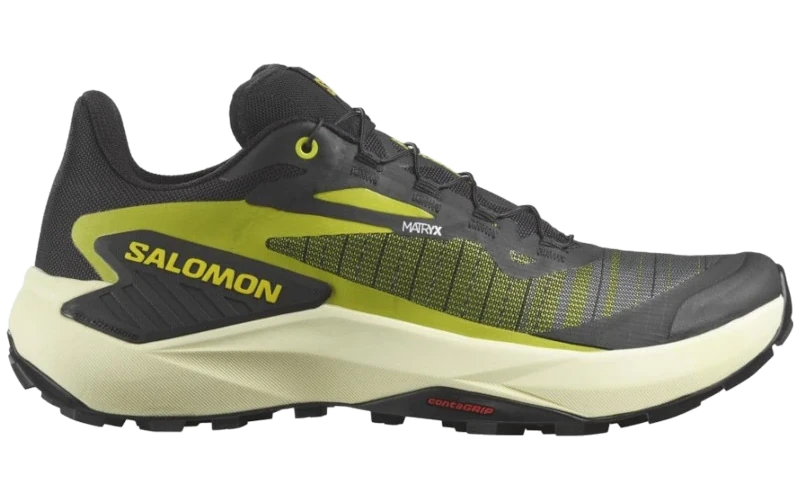 |
| everyday runs, long runs, easy runs | fast training sessions, tempo runs, raceday | trail running |
On the other hand, if you’re a fan of these specific brands, you usually won’t have any trouble putting together your collection of running shoes.
Example Rotation: Brooks
| BROOKS GHOST 17 | BROOKS HYPERION ELITE 5 | BROOKS CASCADIA 19 |
|---|---|---|
 |  |  |
| everyday runs, long runs, easy runs | fast training sessions, tempo runs, raceday | trail running |
Example Rotation: Hoka
| HOKA BONDI 9 | HOKA MACH X3 | HOKA SPEEDGOAT 7 |
|---|---|---|
 |  |  |
| everyday runs, long runs, easy runs | fast training sessions, tempo runs, raceday | trail running |
Example Rotation: Nike
| NIKE VOMERO 18 | NIKE VAPORFLY 4 | NIKE WILDHORSE 10 |
|---|---|---|
 |  |  |
| everyday runs, long runs, easy runs | fast training sessions, tempo runs, raceday | trail running |
Road Rotation: From Cushioned to Fast
If you run exclusively in urban and suburban environments, you don’t need a trail shoe, so your shoe rotation will look different. In that case, in addition to a classic training shoe for steady-paced runs and a racing shoe for speed, it’s worth having a third shoe that falls between the two in terms of performance. These shoes are called speed training shoes, which strike a balance between cushioning and dynamic performance.
A speed training shoe is ideal for fast workouts, tempo runs and intervals. This will help you preserve your racing shoes, which, besides offering the greatest dynamic performance, are also the least durable and resilient. Thanks to speed training shoes, your racing shoes will last longer.
| DIADORA ATOMO STAR | HOKA MACH X3 | BROOKS HYPERION ELITE 5 |
|---|---|---|
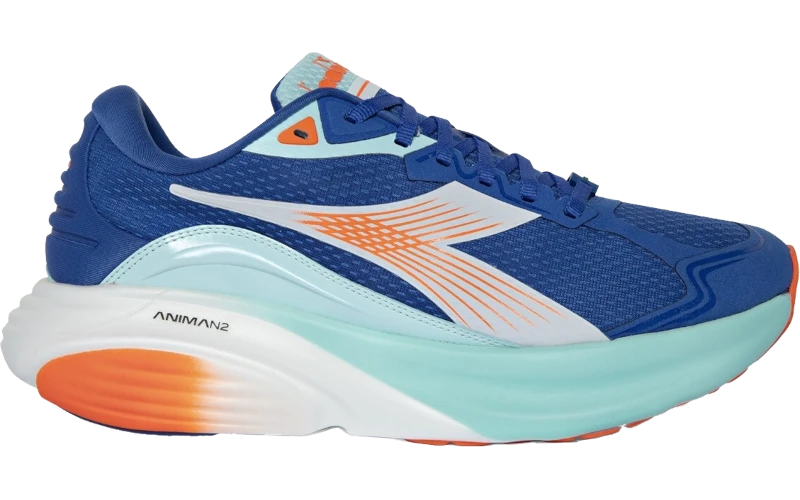 | | |
| everyday runs, long runs, easy runs | fast training sessions, tempo runs | raceday |
By structuring the rotation this way, you can easily set it up within these brands.
Example Rotation: adidas
| ADIDAS SUPERNOVA RISE 3 | ADIDAS ADIZERO BOSTON | ADIDAS ADIZERO ADIOS PRO 4 |
|---|---|---|
 |  | |
| everyday runs, long runs, easy runs | fast training sessions, tempo runs | raceday |
Example Rotation: Asics
| ASICS GEL-NIMBUS 28 | ASICS SUPERBLAST 3 | ASICS METASPEED SKY TOKYO |
|---|---|---|
 |  | 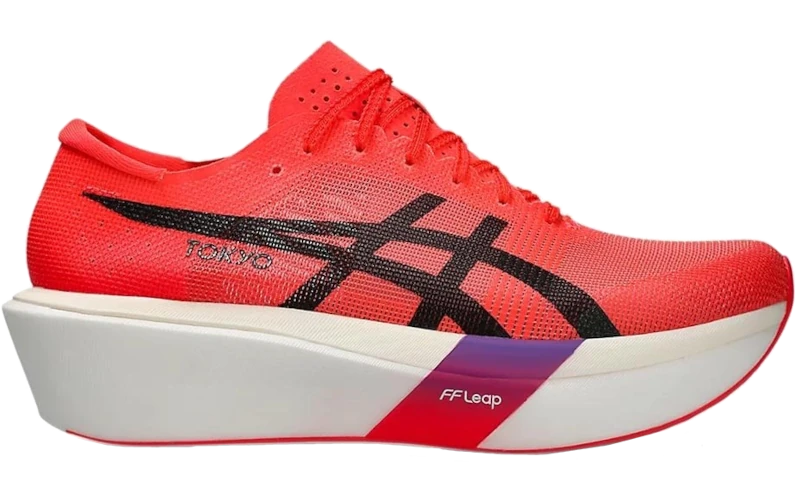 |
| everyday runs, long runs, easy runs | fast training sessions, tempo runs | raceday |
Example Rotation: Saucony
| SAUCONY TRIUMPH 23 | SAUCONY ENDORPHIN SPEED 5 | SAUCONY ENDORPHIN ELITE 2 |
|---|---|---|
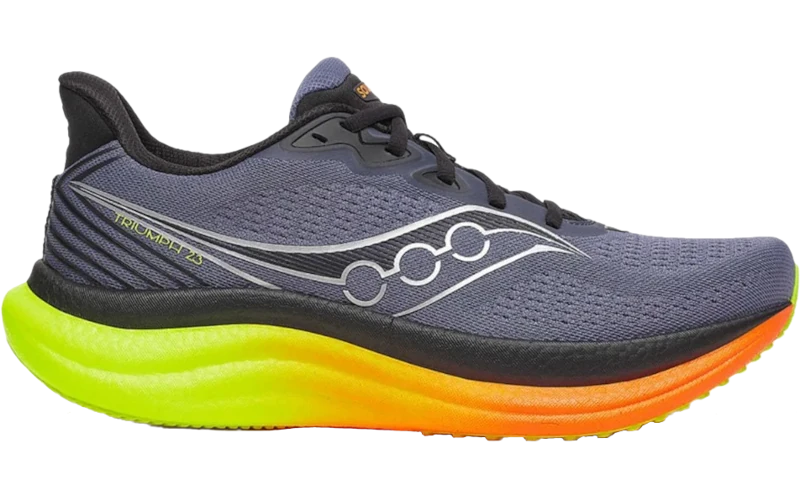 |  |  |
| everyday runs, long runs, easy runs | fast training sessions, tempo runs | raceday |
Trail Rotation: From Ultra Distance to Muddy Races
Trail running shoes are categorized based on distance (from ultra runs to short runs) and terrain (from gravel to mud). For this reason, the rotation common on hard surfaces doesn’t make sense here.
It’s better to have shoes with excellent cushioning for the longest distances (even if you don’t run ultras) and shoes for everyday trail running. The latter are ideal for shorter runs and runs on less demanding gravel roads. It’s also worth having a pair of shoes for muddy conditions and, more broadly, for trail running. From experience, I know this type of shoe works great in mud, sand, and snow.
| HOKA MAFATE 5 | SALOMON GENESIS | INOV8 MUDTALON |
|---|---|---|
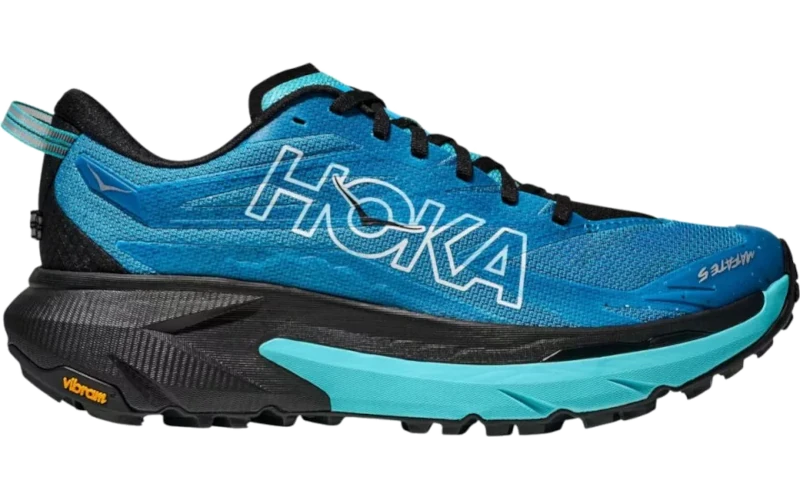 | |  |
| ultra runs, long-distance runs, easy trail runs | daily trail | technical trail, mud, off-road |
One drawback is that trail running brands tend to specialize in specific areas, so not all brands have enough models to build a complete rotation. Some brands, like Inov-8, focus more on maximum traction and aggressive outsole patterns for mud and off-trail running, while others, like Hoka, offer a wide selection of models with deep cushioning and high-profile midsoles.
Example Rotation: inov-8
| INOV8 TRAILFLY MAX | INOV8 TRAILTALON | INOV8 MUDTALON |
|---|---|---|
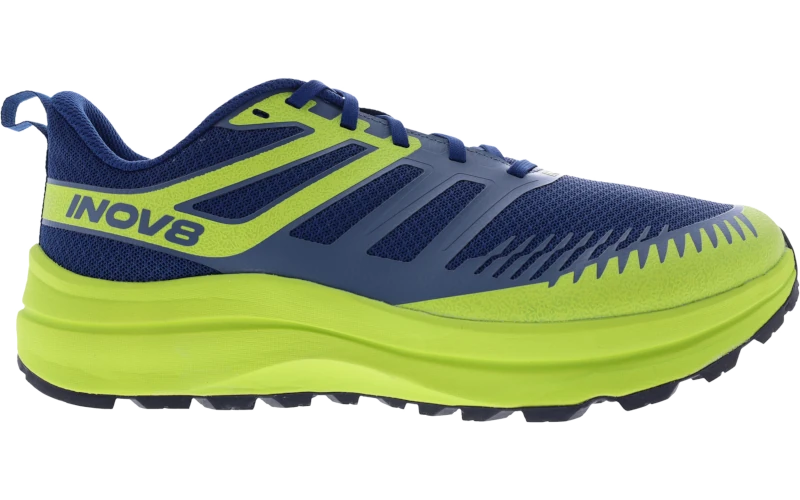 |  | |
| ultra runs, long-distance runs, easy trail runs | daily trail | technical trail, mud, off-road |
Example Rotation: Salomon
| SALOMON ULTRA GLIDE 4 | SALOMON GENESIS | SALOMON SPEEDCROSS 6 |
|---|---|---|
 | | 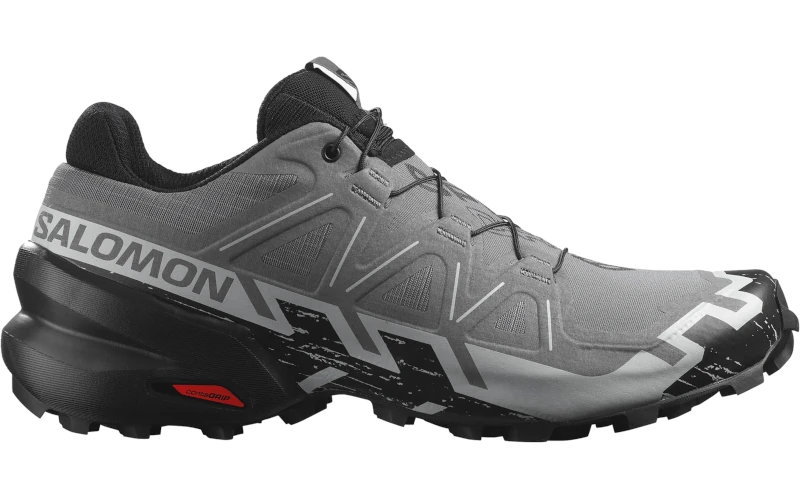 |
| ultra runs, long-distance runs, easy trail runs | daily trail | technical trail, mud, off-road |
How to Build a Rotation That Works for You?
Of course, these are just examples because it depends on how and where you run. Ideally, you should have shoes with different specifications and purposes so you can rotate them depending on the expected conditions and type of workout on a given day.
Some people have several pairs of road shoes in their closet, which they use depending on their pace during a given workout. They either have no trail shoes at all or only run in them a few times a year. Others will have several pairs of trail shoes, depending on the distance (ultra or daily running) and terrain (rocks or mud), and may not have typical shoes for hard surfaces. Tailor your running shoe rotation to your needs and preferences.