Every runner will probably encounter this problem sooner or later. Black toenails have become an almost ritualistic part of the running experience. The most common cause is shoes that are too tight and don’t give your toes enough room. But is that the only cause? Or is there something more to it?
Black Toenails Explained
So-called “black toenails” are nothing more than hematomas that form under the nail plate. They are caused by repeated micro-impacts of the toes against the inside of the shoe or prolonged pressure on the nails. This results in microdamage and blood collecting under the nail, causing the characteristic dark discoloration. Over time, the hematoma causes the nail to detach from the nail bed. The nail is ready to be replaced.
Once you have a black toenail, the best strategy is to leave it alone. Nature knows what it’s doing! A new nail will gradually grow out from under the damaged layer and eventually fall off on its own. For smaller nails, this process usually takes two to three months. Big toe? Things get complicated here – regeneration can take up to nine to twelve months. But don’t worry; it usually doesn’t take that long. I say this with full conviction because I’ve been through this several times myself (or rather, on my nails).
Too-Small Shoes: A Common Cause of Black Toenails
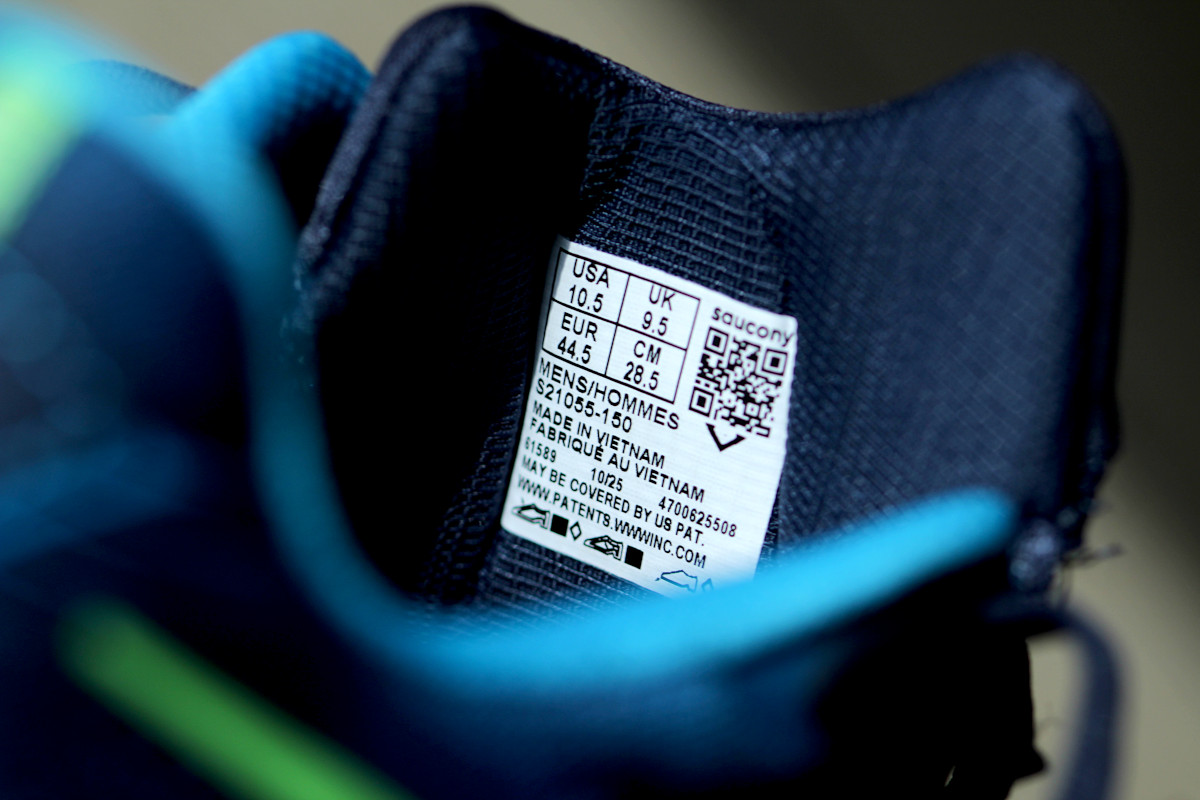
Since black toenails result from microdamage, the most obvious solution is to wear shoes that fit properly. Remember that the foot is not static. When sitting, the foot is one length; however, when standing, the foot naturally flattens and stretches. When running, the forefoot bends and the toes move forward. For this reason, running shoes should be chosen so that, when standing, there is at least half a centimeter of space between the tip of the shoe and your longest toe. Can there be more? Of course, and it is often recommended.
A few extra millimeters has never hurt anyone. But what about a few millimeters too little? That’s a surefire way to get black toenails.

The longer the distance, the more important it is to have the right shoe size. You may not notice if you run 5 or 10 kilometers, but your feet gradually swell with each kilometer. It’s a subtle process – they won’t suddenly balloon up – but after a half marathon or marathon, they can be significantly larger than at the start. The problem is that shoes do not adapt to this change – they do not stretch or make more room. The result? With every kilometer, there is less and less slack in the shoe. The risk of black toenails increases proportionally to the distance run.
Therefore, when running the longest distances, you should pay special attention to this. During a marathon, even a missing millimeter can cause black toenails. Not to mention ultramarathons.
Shoe-to-Foot Shape Compatibility: Why It’s Important
The size and shape of a shoe can both contribute to nail problems. Those with an “Egyptian” foot type, in which the big toe is the longest and the other toes are arranged in a descending line, have the least to worry about. Most running shoes are designed with this foot shape in mind, so it’s easier to find the right model.
Runners with Roman or Greek feet have a slightly harder time. In the former, the first three toes are almost equal in length; in the latter, the second toe is the longest. If you have one of these foot types, don’t base your shoe choice solely on the length of your big toe. It’s equally important that your other toes have enough space.
Pay special attention to the shape of the front of the shoe. If it is too narrow or pointed, it can put pressure on the smaller toes and nails, causing painful bruising. Therefore, runners with a wider forefoot or a longer second toe should choose shoes with a rounded shape that provides adequate space for the toes.

When Force Meets Toenail
No matter how perfectly sized or shaped your shoes are, they can’t protect you from sudden, mechanical damage. This time, we’re talking about a single, solid blow to your toenails, not hundreds of micro-injuries. This usually happens off-road. All it takes is a stone bouncing off one foot and hitting the tip of the other shoe. Or, your foot could slip off a rock, causing your toes to hit a hard obstacle. You might also catch a protruding root or kick a stone. There are plenty of scenarios, and every runner probably has their own stories to tell. Unfortunately, extra space and reinforced toe caps aren’t always enough to protect your nails. That’s the risk of trail running.
Final Thoughts
Black toenails are an inevitable part of running. They are difficult to prevent because, although the mechanism behind their formation is generally known – pressure or impact on the nail plate – the way in which this happens varies. In my experience, most black toenails are caused by running shoes that are too small or narrow, or by wearing shoes that are the same size as your everyday shoes. Running shoes should be bigger! Otherwise, you’ll end up with shoes that are too small and press on your toenails, causing black toenails.