For runners, choosing the right running shoes is one of the most important decisions they can make. The wrong pair can cause discomfort, hinder progress and increase the risk of injury. In this guide, you will learn which shoes to buy as a beginner for road or trail running. We will also explain why factors such as foot type, foot width and running pace play a key role in finding the right pair.
Running Shoes for Beginners: How to Choose Your First Pair
When choosing your first running shoes, prioritize comfort over advanced technology or brand hype. Running shoes differ greatly from casual or gym shoes because they are designed to absorb impact and support repetitive forward motion. Look for soft cushioning, a flexible upper and a slightly wider fit that allows your foot to expand naturally while running. Proper sizing matters, so leave about the width of a thumb in front of your toes to prevent pressure and discomfort.
If you are unsure about running and only plan to run short distances, there is no need to spend a lot of money at first. A neutral, affordable running shoe is enough for beginners. Focus on how the shoe feels, not marketing claims. Comfort is the key factor that will help you stay consistent and avoid early injuries.
Road Running Shoes: Which Models Work Best?
Running shoes designed for hard surfaces are built to withstand repeated impact from asphalt and concrete. They should provide ample cushioning and softness to protect your joints and muscles during your daily runs. These shoes focus on stability and a smooth ride to increase safety during long, easy road runs.
Another key feature is a durable outsole because hard surfaces cause material to wear out faster. Road running shoes are designed to resist abrasion and maintain grip over time. When used mainly on asphalt, a solid pair can last around 1,000 to 1,500kilometers before losing its protective properties.
Are you looking for versatile shoes for running on roads and hard surfaces? Check out this shoe guide.
Trail Running Shoes Explained: Grip, Protection, Stability
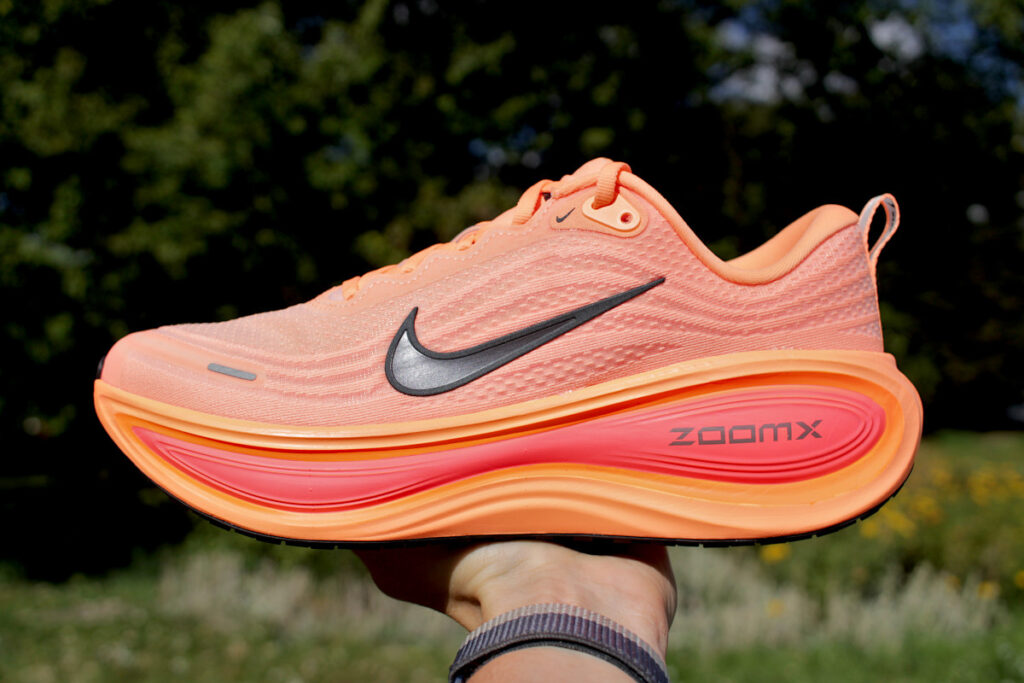
Trail running shoes are designed to handle uneven terrain, loose surfaces, and unpredictable conditions. The most important feature is the grippy outsole with large, deep lugs that provide traction on dirt, mud, rocks, and wet ground. While this type of outsole improves control on climbs and descents, it feels stiffer than road shoes.
Protection and stability are equally important in trail running shoes. They have a more armored construction with reinforced uppers, toe guards, and sidewalls that shield the foot from rocks, roots, and debris. Many models also provide a stable platform to reduce the risk of rolling an ankle on uneven ground. However, these shoes should only be chosen if trail running makes up most of your training – ideally, over 85 percent – because trail outsoles wear quickly on asphalt and concrete.
Looking for trail running shoes? Be sure to check out this shoe guide.
Best Running Shoes for Long Distance and Marathon Training
Running shoes for long-distance and marathon training should prioritize protection, comfort, and consistency over the course of many kilometers. They should provide maximum cushioning and softness to minimize impact on joints and muscles, even during the final stages of a long run. A well-designed midsole helps maintain proper running form and limits fatigue during long runs. These shoes must also be stable, breathable, and durable so that they feel reliable from the first kilometer to the last.
For long distances, comfort is a necessity, not a luxury. You will find the most cushioned and comfortable shoes in this shoe guide.
How Your Foot Type Affects the Running Shoes You Should Buy
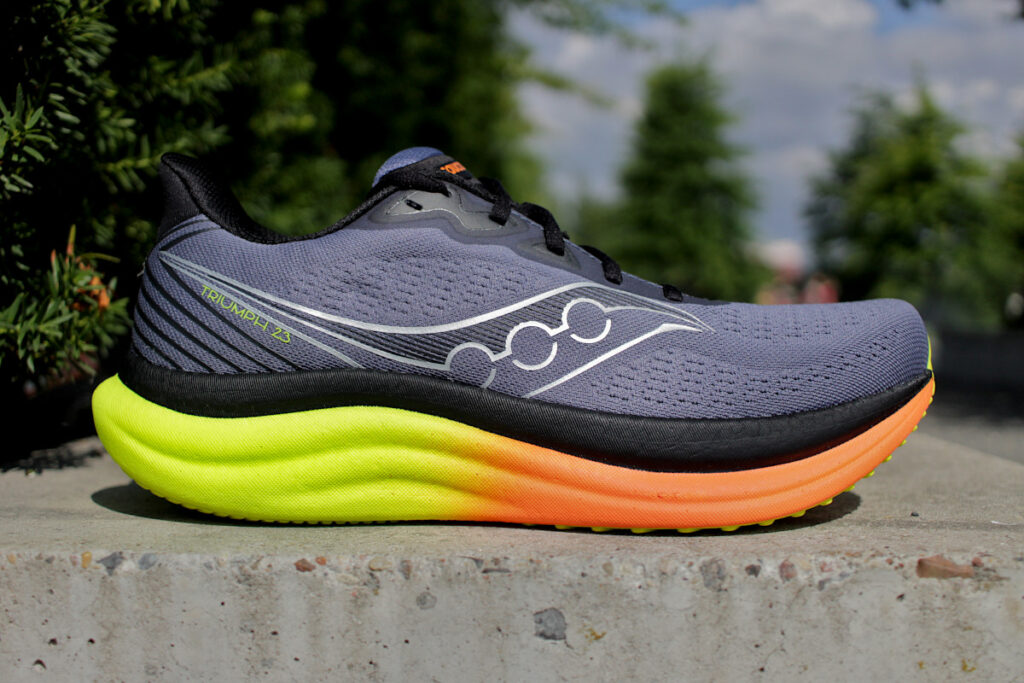
The running shoes you should buy mainly depend on how your foot moves while running, which is affected by your foot type. The key factor is how much your foot rolls inward at the ankle, a condition known as overpronation. Excessive pronation can lead to poor alignment of the ankles and knees, causing unnecessary strain over time. If you overpronate, shoes with added support can reduce inward rolling and improve stability. Ideally, a specialist would assess this, but if that is not possible and you are unsure about your foot type, neutral running shoes are usually the safest and most versatile option.
You will find suggestions for shoes with overpronation stabilization in this shoe guide.
Wide, Narrow, or Standard Fit: Finding the Right Running Shoe Shape
Although most running shoes are produced in a standard width, they do not all fit the same. Each model has a different shape; some feel more spacious, while others are noticeably narrower. It is usually better to choose running shoes that offer more room in the forefoot to allow the toes to spread naturally while running. A cramped toe box can quickly lead to discomfort, numbness or blisters.
Runners with very narrow or wide feet should pay extra attention to fit options. Some brands offer the same model in multiple widths, including narrow, wide and extra-wide. These options can significantly improve comfort and foot stability. However, such models are less common, so availability may be limited depending on the brand and market.
Matching Running Shoes to Your Pace and Training Style
Running shoes are designed for different paces and training styles, selecting the right type can significantly impact comfort and performance. Training shoes are the best choice for easy, slower runs. They provide extra heel cushioning, rearfoot stability and overall support. This makes them ideal for daily mileage, recovery runs and building a strong base without overloading your joints.
For faster running, specialized speed shoes are more suitable. These models feature a dynamic forefoot that encourages quick foot roll and a lightweight design to help runners move faster. However, these shoes wear out more quickly due to their design, which maximizes efficiency and performance during tempo runs, intervals and race-day efforts.
If you’re looking for the fastest running shoes, be sure to check out our racing shoe guide.
Cushioned vs Minimalist Running Shoes: What’s Better for You?
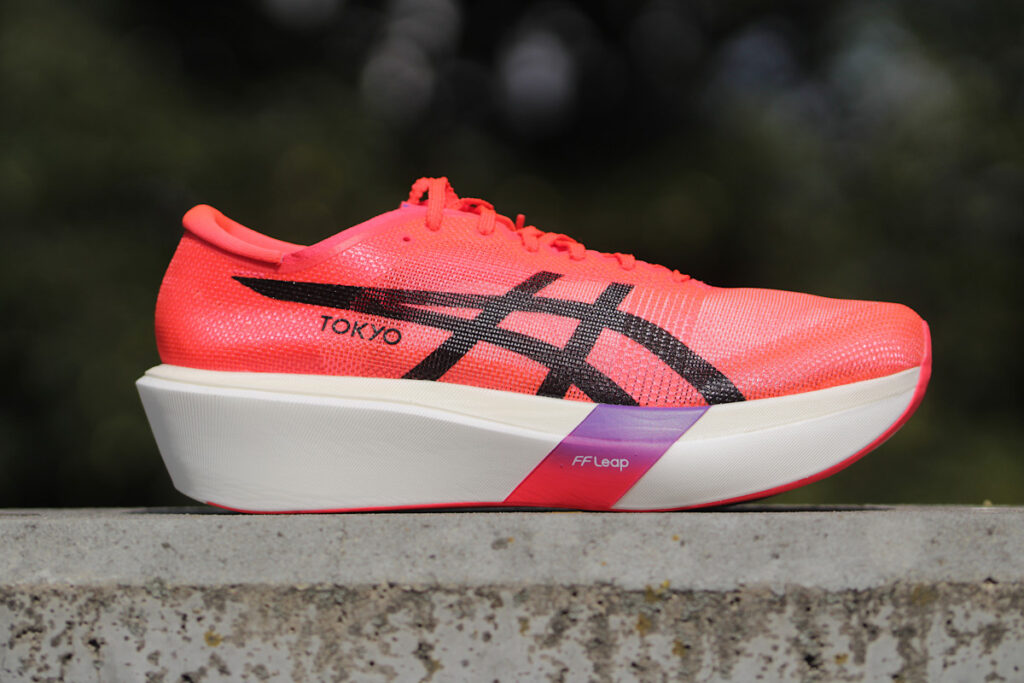
Cushioned and minimalist running shoes provide different experiences. Which you choose depends on your goals and running style. Cushioned shoes have soft midsoles that provide plenty of shock absorption to protect your joints and muscles with each stride. They are ideal for most runners, especially those who cover longer distances on hard surfaces, because they reduce fatigue and help prevent impact-related injuries.
By contrast, minimalist shoes have little or no cushioning, forcing the foot and its natural mechanisms to work harder. This can strengthen foot muscles, improve proprioception and encourage a more natural running form. However, running in minimalist shoes can stress the feet, especially on hard surfaces like concrete or asphalt. It may also increase the risk of soreness or injury if you transition too quickly or if the surfaces are unforgiving.
Final Thoughts
Choosing the right running shoes means matching your feet, pace and training style to the right design. Comfort should always come first, especially for beginners or those testing the waters of running. Consider the surface you run on, the distance you cover and your foot type, width and natural movement when making your selection. Whether you prefer cushioned shoes for long distances, minimalist models to strengthen your feet or specialized shoes for speed, stability or trails, the right pair will protect your joints, improve your performance and enhance your running experience. Take your time, try different options and focus on what feels best for your feet. This is the key to running safely and consistently.