Although buying running shoes seems simple, many runners make mistakes when doing so. Buying the wrong size, choosing based on color or deciding just because a friend recommended them is a quick way to experience discomfort and problems during training. In this article, I will show you the three most common pitfalls and explain why they often ruin your relationship with your new shoes.
Wrong Size, Wrong Choice
Yes, size matters – especially when it comes to running shoes. This is especially true when it comes to running shoes. The model should ensure there is enough space in the front for your foot to move freely and swell slightly while running. Without this space, your toes will quickly start pressing against the upper. First, you will feel discomfort; then, painful bruises will appear under your toenails. In extreme cases, the nail plate may detach from the nail bed and fall off. Sound familiar?
This mistake is particularly common among people new to running who buy shoes “by eye.” They often choose the same size they wear every day, which leads to various problems. It is important to understand that running shoes are usually larger than everyday shoes. Let me explain with my own example. I wear size 45EU slippers but my running shoes are size 46EU, sometimes even 47EU or 47.5EU. All of these sizes fit me well and make me feel comfortable while running.
Remember that sizes are not equal and shoes of different sizes may fit you differently depending on the brand. Therefore, it is best to choose according to the length of the insole, measured in centimeters. This is the most reliable indicator of size, though not infallible.

Buying With Your Eyes, Not Your Feet
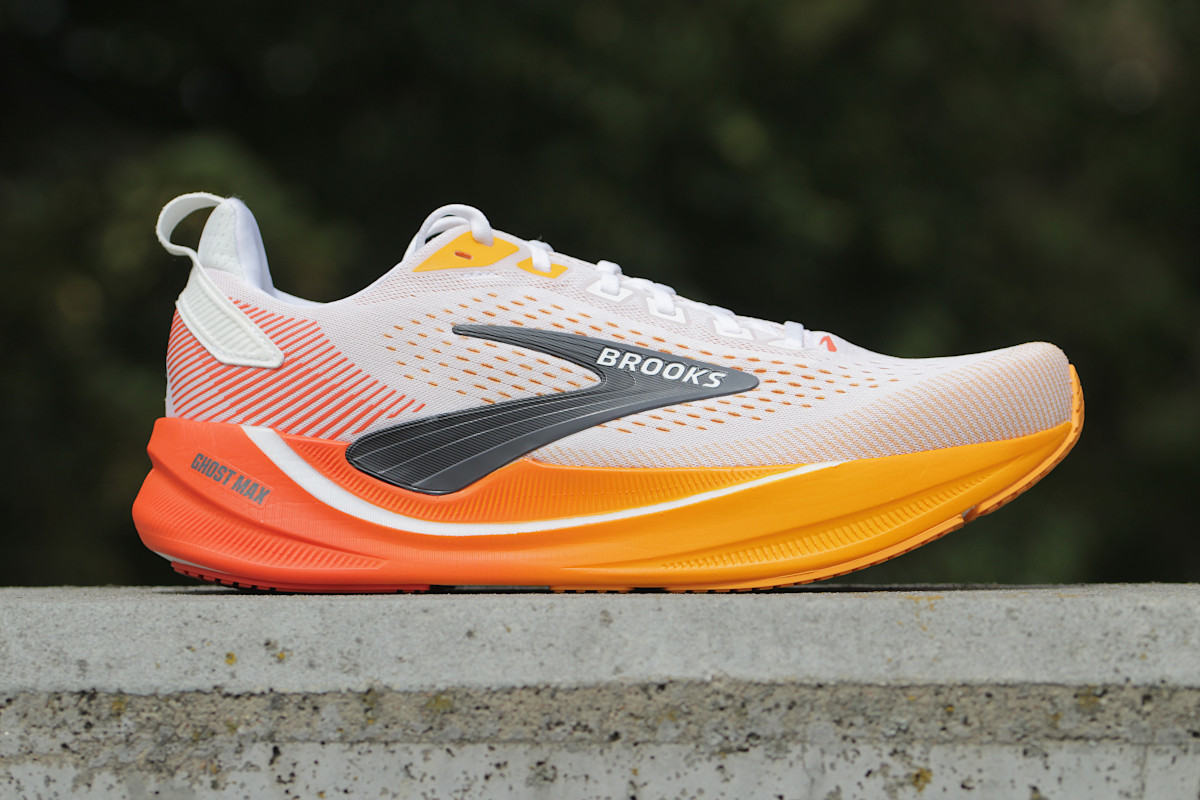
Everything looks good in the photos. The colors are great. The lines. The aggressive design. Some models make you want them at first glance. They’re simply pretty and you like them. I’m not saying that this is wrong or that the visual aspect should be ignored completely, but it shouldn’t be the first criterion; it should be one of many. The visual aspect shouldn’t be prioritized over functionality either. Why?
Because from the outside you can’t see the key features that determine comfort while running. For example, you can’t see the shape of the last, which determines how the shoe fits your foot and toes. You also can’t see the volume of the upper, which may be perfect for one person but too tight or loose for another. You also can’t see if the heel will stay stable or start to move and cause chafing. Two shoes that look identical on the shelf may have the same color and a similar midsole line but behave completely differently on the foot. One will provide a feeling of natural movement and comfort from the first few kilometers, while the other will quickly become uncomfortable.
Sometimes a shoe’s purpose is not apparent from its appearance alone. It’s not always possible to tell if a model is designed for trail running or for hard surfaces. It’s unclear if it’s best for easy, stable running or if it’s been designed for speed and lightness at the expense of stability and durability. Aggressive colors may suggest dynamism, but in practice, the shoe may be soft, “slipper-like” and slow. Conversely, a visually simple model can be highly responsive. The most important thing is whether a given shoe matches your running style and terrain, which cannot always be judged by appearance.
Sometimes a very good model looks “boring” because it doesn’t try to attract attention with color or an aggressive design. It has a simple upper, an easy line and classic proportions that don’t change every season. This is often a sign of a mature design that has been refined over the years. The foam, fit and midsole geometry have changed, but not the graphics. Experienced runners often choose such shoes because they know that, after several kilometers, stability, comfort and consistent performance are what matter, not how the model looks.

Copying Someone Else’s Shoes
This is a common approach, but it can be dangerous when a friend’s recommendation matters more than how a given model feels to you. What works perfectly for one runner may not work for another. Differences in foot structure, running technique and load can have a significant impact. Regardless of experience or athletic performance, buying shoes based solely on recommendations always involves a high risk.
Remember that just as no two people are identical, no two feet are the same. Every runner’s structure, arch function, foot roll and idea of comfort differ. What works perfectly for one person may cause problems for another after just a few kilometers. Buying shoes based on other people’s experiences often overlooks these differences, which are the most important factor.
Remember, these will ultimately be your running shoes, and you will be running in them, not your friend!