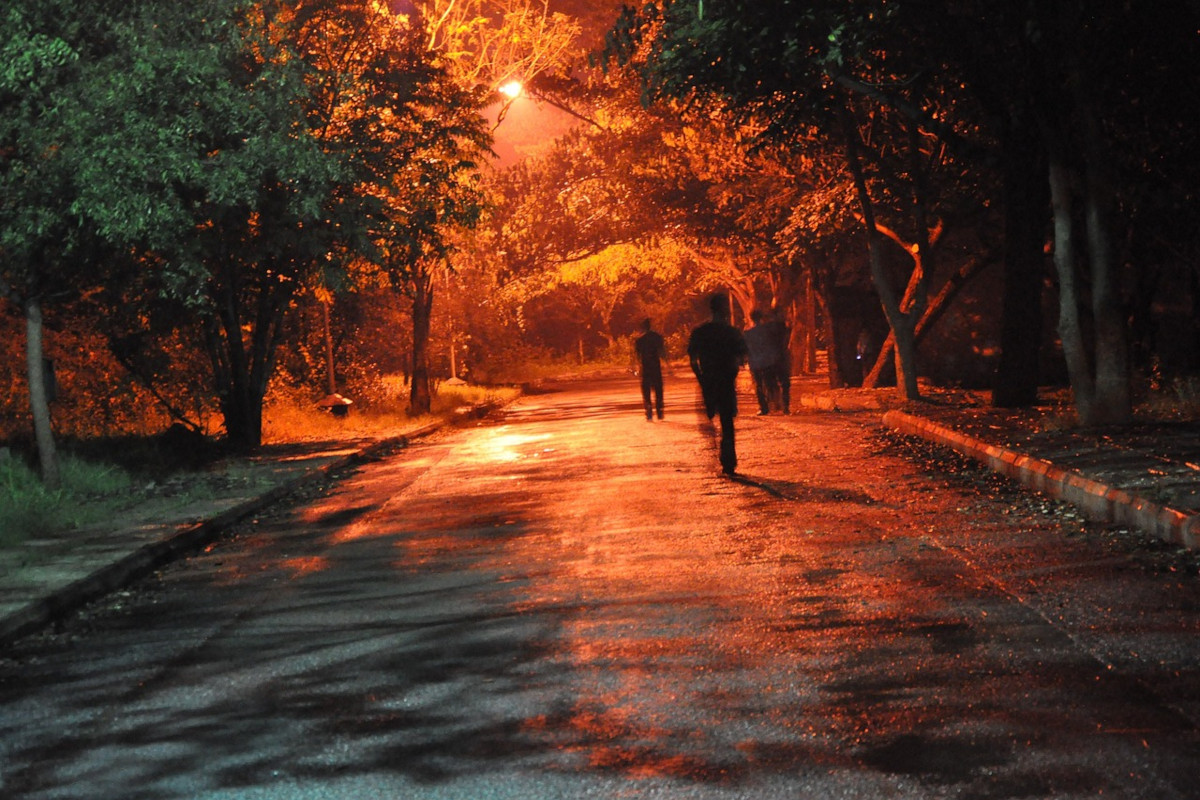
For many runners, running in the dark is an everyday occurrence. In the fall and winter, it’s often unavoidable. There’s work, responsibilities, and a lack of light. You have to go out after dark or early in the morning. The problem is that running in the dark poses a greater risk. There is poor visibility. Cars. Cyclists. There are uneven surfaces. On top of that, other road users are less alert. However, it is possible to run safely in the dark. You just need to change a few habits. Pay attention to your equipment. Choose your routes more carefully. Consider not only your training but also your surroundings.
1. Improve Your Visibility When Running in the Dark
It is essential to wear reflective, bright clothing and lights. They allow drivers to see you from up to several hundred meters away, thus increasing your visibility. However, where you wear these items is important.
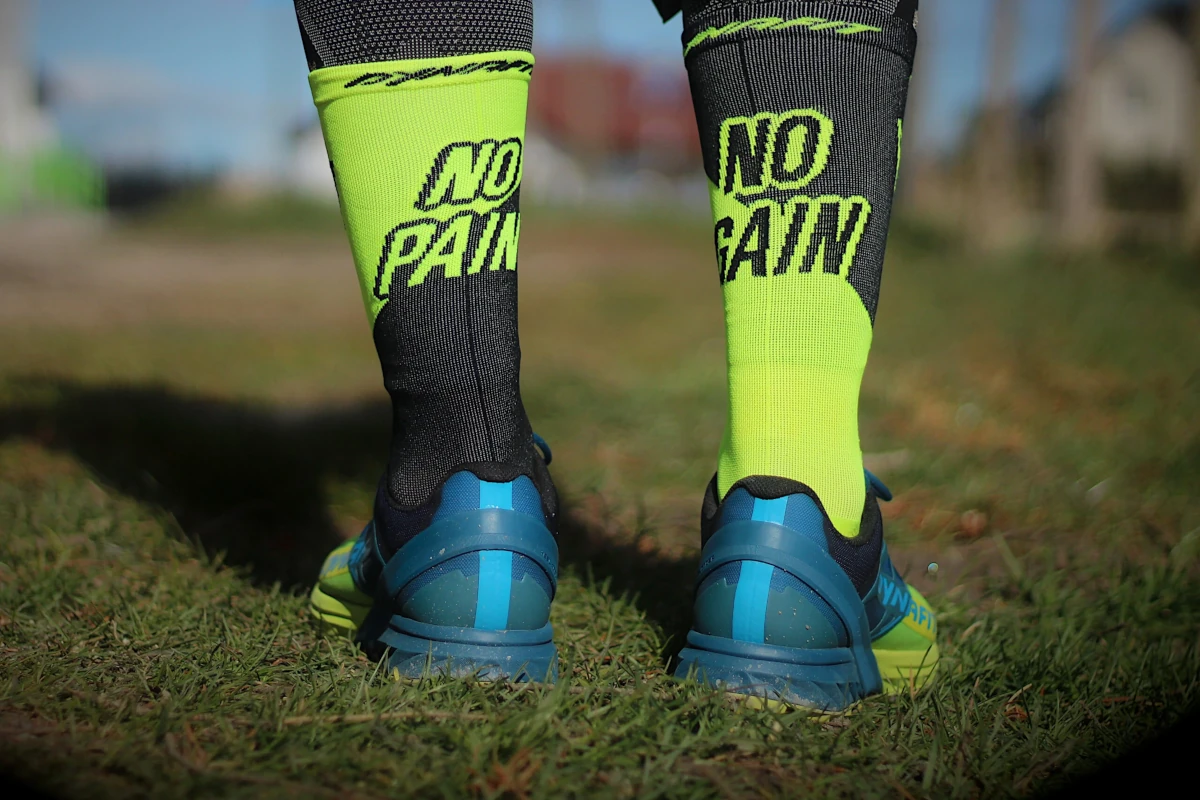
Ideally, you should have reflective elements on every side of your body to allow drivers to see you from every direction – from behind, in front, and from the sides. Since your arms, ankles, and feet move the most when you run, place reflective elements there to make it easier for drivers to recognize you as a pedestrian on the move.
Flashing lights worn on the arm or ankle or attached to clothing are also effective. The most important thing is to be visible to drivers. A runner dressed in black without reflective elements may be seen by a driver at the last moment when running into a crosswalk after dark. However, a runner lit up like a Christmas tree will be seen well in advance.
2. Use Proper Lighting When Running in the Dark
In addition to being visible to others, it’s important to ensure that you can see where and on what surface you’re running. One option that is naturally chosen by runners is to train on well-lit roads and streets. This approach is highly recommended.
However, it is still worth considering additional lighting for your route. This will allow you to see where you are running and what the terrain is like. The most recommended solution is a headlamp, which is a lamp worn on the head that shines light on the road ahead. You can also choose a model that illuminates the road ahead and has a red light on the back. Remember that a headlamp helps you see the route and makes you visible to other road and sidewalk users.
A headlamp is essential if you want to run in complete darkness. Before going on longer nighttime runs in the woods, however, I recommend practicing running with a headlamp. Even if you know the route well, running at night is completely different. The light from a flashlight illuminates the surface differently than daylight does.
3. Choose Safe Routes for Running in the Dark
Even with reflectors and lighting, now is not the time for new routes or improvisation. Since you can see less, try running on familiar routes in populated areas. If possible, avoid running on roads and stick to sidewalks. That way, you won’t bother drivers who may not notice you. You’ll also be able to see more.
4. Limit Music While Running in the Dark
Listening to music while running in areas with heavy traffic during the day can be risky. You may not hear an approaching vehicle, which can lead to dangerous situations. It is no different after dark, when your eyesight is less reliable. The lack of hearing can prevent you from hearing an approaching car, cyclist, aggressive dog, or suspicious person.
If you can’t give up wearing headphones, consider using bone conduction headphones. They don’t block your ears or muffle ambient sounds, allowing you to enjoy music while remaining aware of your surroundings. I have them, I use them, and I recommend them!
5. Run with a Partner for Safety When Running in the Dark
This is especially important for women who run in the dark. To feel even safer, arrange to train with a partner or friend. Two people, especially if one of them is a man, are much harder targets, so dangerous situations are much less likely to occur. If you don’t have a running partner, consider running with your dog, though keep in mind that it depends on the dog’s size and running ability.
You may also want to consider purchasing pepper spray, which can stop an attacker immediately when sprayed in their face. Remember to replace the spray every year to ensure it has not expired and will work if needed.