Do you want to know how to properly wash and clean your running shoes? These are common questions among runners who care about their footwear. In this article, we explain how to clean your running shoes by hand to extend their lifespan and situations in which using a washing machine can do more harm than good. Learn how to properly care for your running shoes so they last longer.
Manufacturers Recommend Hand Cleaning
Most running shoes do not clearly state that machine washing can damage their structure and durability. Only a few models recommend hand washing, but this is not the norm. Meanwhile, manufacturers almost unanimously recommend hand washing shoes. This method allows you to better care for your shoes, preserve the durability of the fabrics, and avoid deformation, which is especially important for running shoes.
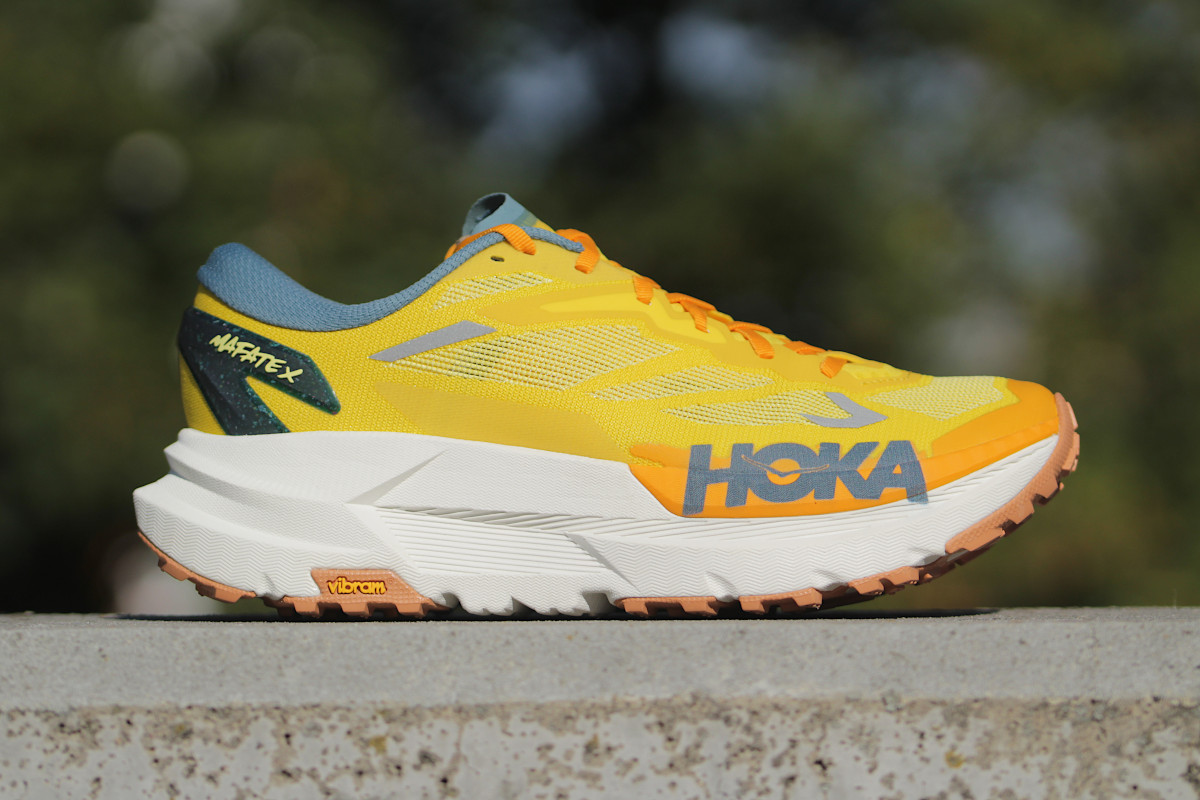
The instructions for maintaining Hoka shoes, found on the boxes, are as follows:
- Dry shoes at room temperature, avoiding heat sources.
- Clean with lukewarm, soapy water using a cloth or, if necessary, a brush.
- After each use, clean, dry, and air out your shoes.
How to Hand Clean Running Shoes
Heavily soiled shoes should be cleaned with lukewarm water and soap or another mild detergent. Using a soft brush or sponge will help remove dirt without damaging the material. Remove the insoles and laces and wash them separately for a more thorough cleaning and faster drying time.
Do not dry running shoes using intense heat sources. Avoid placing them on radiators, stoves, or near devices that emit high temperatures. Although this may speed up the drying process, hot air can damage these shoes’ materials, affecting their durability and technical properties. To safely dry your shoes, as well as the insoles and laces, place them in a dry, warm spot – a balcony, windowsill, or well-ventilated room is ideal. This allows the shoes to dry naturally while retaining their properties.
Experience shows that regular manual cleaning is sufficient for everyday use. It removes minor dirt, splashes, and general dust, which is inevitable when using running shoes. Dirt and dust are inevitable results of running in your shoes, so accept that. Besides, … You can run just as well in dirty shoes as in sparkling white ones. Running shoes aren’t meant to look like new after every workout.

How to Wash Running Shoes in a Washing Machine
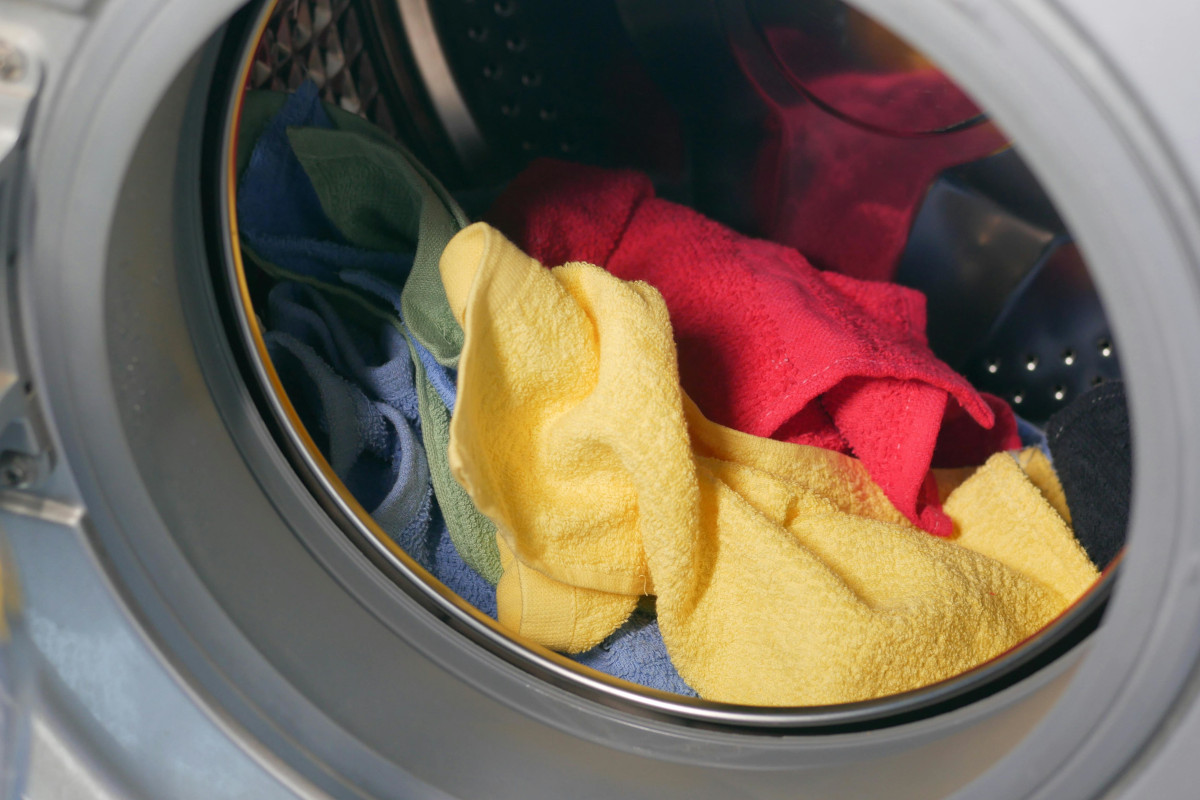
Washing running shoes in the washing machine is not recommended and can be risky. It should only be done as a last resort, not as part of your routine. If you decide to take this step, it is important to do so safely. First, remove loose dirt and mud by hand to avoid contaminating the washing machine. As with hand washing, it is also a good idea to remove the insoles and laces from the shoes so they can be washed separately. Place all of these items in a special laundry bag. You can also put a few towels in the washing machine to balance the load and reduce noise and vibration during the wash cycle.
Set the washing machine to “minimum.” Select a gentle wash cycle, set the washing machine to a maximum temperature of 30°C, and use a mild detergent. These steps will reduce the risk of damaging or deforming the shoes during the wash cycle.
Risks of Washing Running Shoes in a Washing Machine
The most vulnerable part of running shoes in a washing machine is the upper, especially the glued joints. The more often shoes come into contact with water and detergent, the greater the chance that the glue holding the upper elements together will start to come apart. Fortunately, advances in seamless technology have reduced the number of seams and the amount of gluing, which decreases the risk of the upper components separating during washing.
Another issue is the materials used for the upper. Prolonged soaking in excessively warm or hot water with detergent can cause them to deform. Spinning, especially at high speeds, can also lead to deformation. Therefore, when washing shoes in a washing machine, use a low temperature and avoid high spin speeds. Despite caution, there is always some risk.
However, it is a myth that washing shoes causes them to lose their cushioning. Cushioning comes from the foam used to make the midsole, which is usually EVA foam, but can also be other types of foam. Depending on the type, additives, and processing method, the foam can be softer or more resilient. Additionally, it is usually characterized by very low water absorption. I have also never heard of foam reacting with mild detergents. Since foam does not absorb water or react with detergents, its properties do not change during washing, whether by hand or in a washing machine. So you can rest easy about the cushioning in your running shoes.

To Wash or Not to Wash?
Remember that running shoes are designed primarily for running. You can run just as well – if not better – in shoes that aren’t perfectly clean as in brand new shoes straight out of the box. That’s why it’s important to take care of your shoes and clean them regularly to remove excess dirt or mud. You can clean them however you like, but the safest method is to use running water, a mild detergent, and a brush.
Machine washing, on the other hand, can damage your shoes. The uppers are the most vulnerable to damage in such cases, so washing your shoes in the washing machine should be a last resort, not a routine practice. To minimize the risk, do so wisely. Regardless of the washing method, do not dry these shoes on radiators!