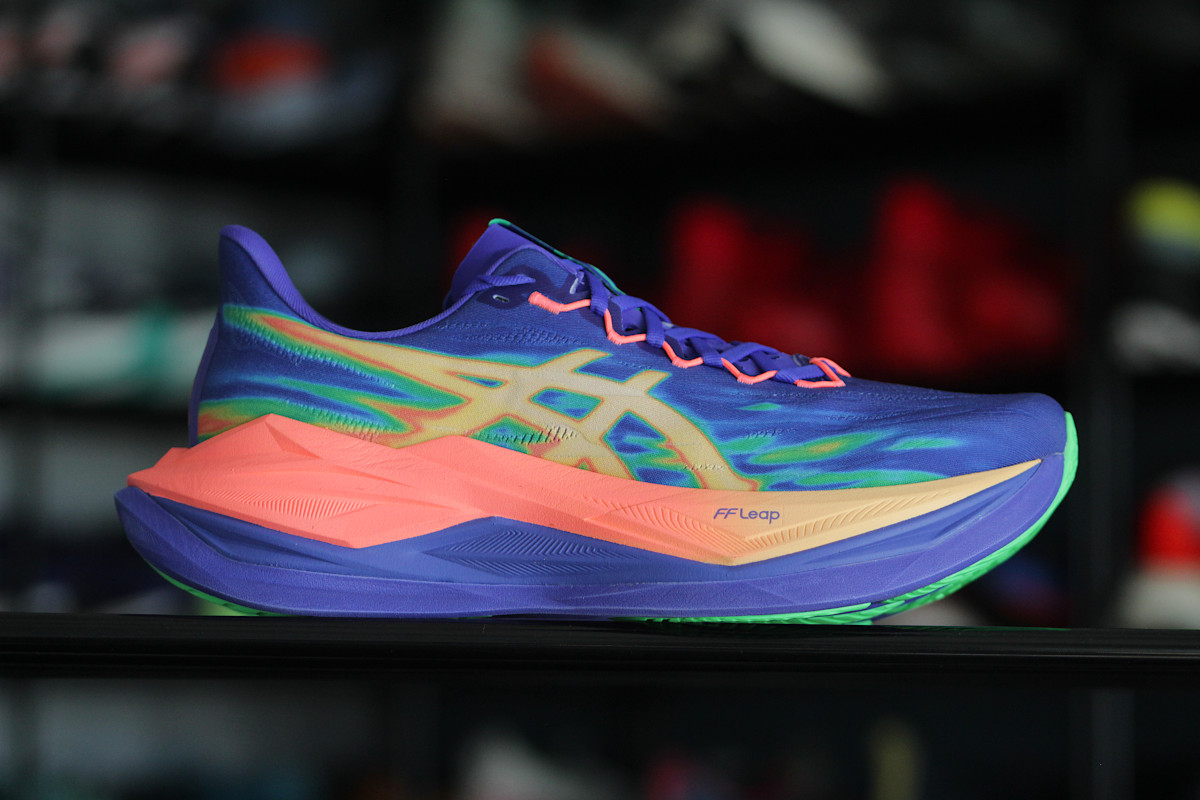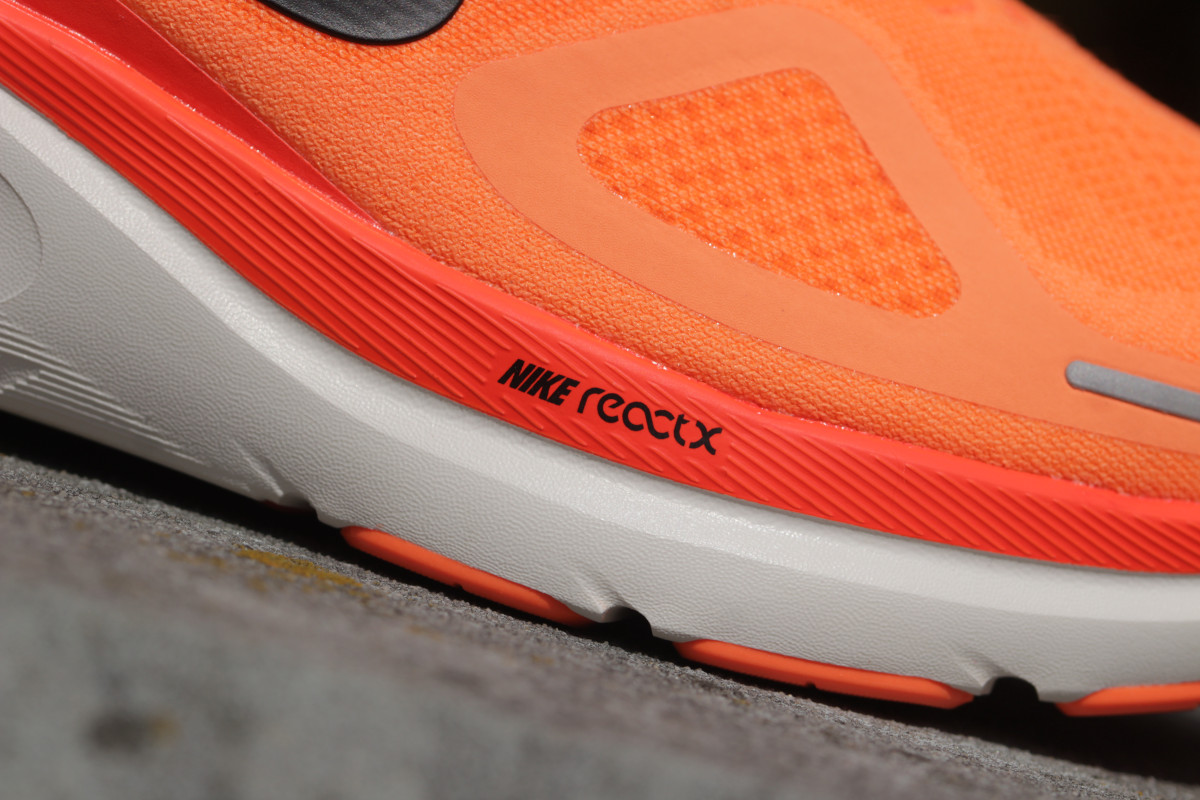
Cushioning is a key feature that distinguishes running shoes from shoes designed for other sports. Each time your foot hits the ground while running, it generates an impact force many times greater than your body weight. Proper absorption and dispersion of these forces is therefore extremely important for the runner’s comfort and health. The necessary amount of cushioning depends on several factors, including the runner’s individual needs, weight, running style and the intensity and length of their training sessions.
Body Weight and Running Shoe Cushioning
A runner’s body weight is the simplest and most commonly used criterion. The heavier you are, the harder your feet hit the ground. This is important because, when running, our feet land with much more force than when walking. Then, the same foot must carry your entire body weight forward. This happens dozens of times per minute. The heavier you are, the more force you exert on your joints, tendons, muscles and entire body. Cushioning absorbs some of this impact. The heavier you are and the harder your feet hit the ground, the more important it is to wear shoes with greater cushioning.
However, if you weigh well over 100kilograms, you should not start running right away. They should start by losing weight and walking or walking and running. Even the best cushioned shoes may not be enough if you are very overweight.
In summary, body weight matters – the heavier you are, the more cushioning you need in your running shoes.
Running Distance and Cushioning – When It Really Matters
This factor relates to weight because, just as greater weight exposes us to greater strain, long distances accumulate strain in the body. For running five or ten kilometers, we need shoes with good cushioning, though not necessarily the highest level. However, the same level of cushioning and softness sufficient for 10kilometers may not be sufficient for a marathon. The same principle applies to ultrarunning, where distances much longer than a marathon must be covered.
In summary, the greater the distance, the greater the cushioning your shoes should have. This is especially true for distances over 20kilometers.

Running Technique and Its Impact on Cushioning Needs
This is the most difficult criterion to verify. Additionally, most runners tend to overestimate their abilities. This is especially true when it comes to running on the midfoot rather than on the heel.
This is important because landing on your heel deprives you of the natural cushioning the human foot provides. Try jumping on your toes and the front of your foot. It’s easy and natural. Now, try jumping on your heels. It’s impossible! The same thing happens when your foot lands on the ground. When you land on the midfoot, your foot will cushion the landing. When you land on your heel… At best, it will hurt. The more you engage your heel while running, the less natural cushioning you have, so you should pay more attention to the cushioning in your shoes.
Conversely, the better your running technique and strength, the less cushioning you need. Running on the midfoot activates the foot’s natural cushioning mechanisms. The longitudinal arch works. The Achilles tendon works. More energy is absorbed by the tissues than by the foam. In this situation, high cushioning is unnecessary. Experienced runners can cope with simple, low-cushioning constructions. As the saying goes, “A good pilot can fly even on a barn door.”
In summary, the better your running technique, the less cushioning you need in your shoes.
Running Surface and Cushioning – Less Important Than You Think
The type of surface has little to do with how much cushioning you need in your running shoes. It is commonly accepted that hard surfaces, such as concrete, require shoes with high cushioning. Conversely, for running on slightly softer forest trails and paths, you need shoes with less cushioning. However, this is not entirely true because trail running has many facets.
Sometimes, it means running on forest gravel and compacted soil – i.e., fairly hard and flat surfaces. Other times, it means narrow paths leading up and down over rocks. Finally, sometimes it means running in deep sand, soil, or mud. Consequently, you need different levels of cushioning when running off-road. Typically, you need more cushioning for gravel and less for muddy trails, though this is not a hard and fast rule.
In summary, the surface influences the level of cushioning in running shoes.
High Cushioning Is Not an Injury Prevention Tool
Many people assume that if they have muscle or tendon problems, they should wear shoes with better cushioning. However, this is not always the case because a lack of cushioning in running shoes is rarely the cause of injury. Therefore, if the injury is not caused by a lack of cushioning, it should not be treated with cushioned shoes. Nothing can replace a visit to a specialist. If the pain persists despite resting, see an orthopedist, podiatrist or physical therapist instead of going to a store for shoes with even better cushioning. Otherwise, it’s like going to a tire repair shop for new tires when your car’s electrical system is failing.
In summary, high cushioning does not significantly impact the reduction of injury risk.
Final Thoughts
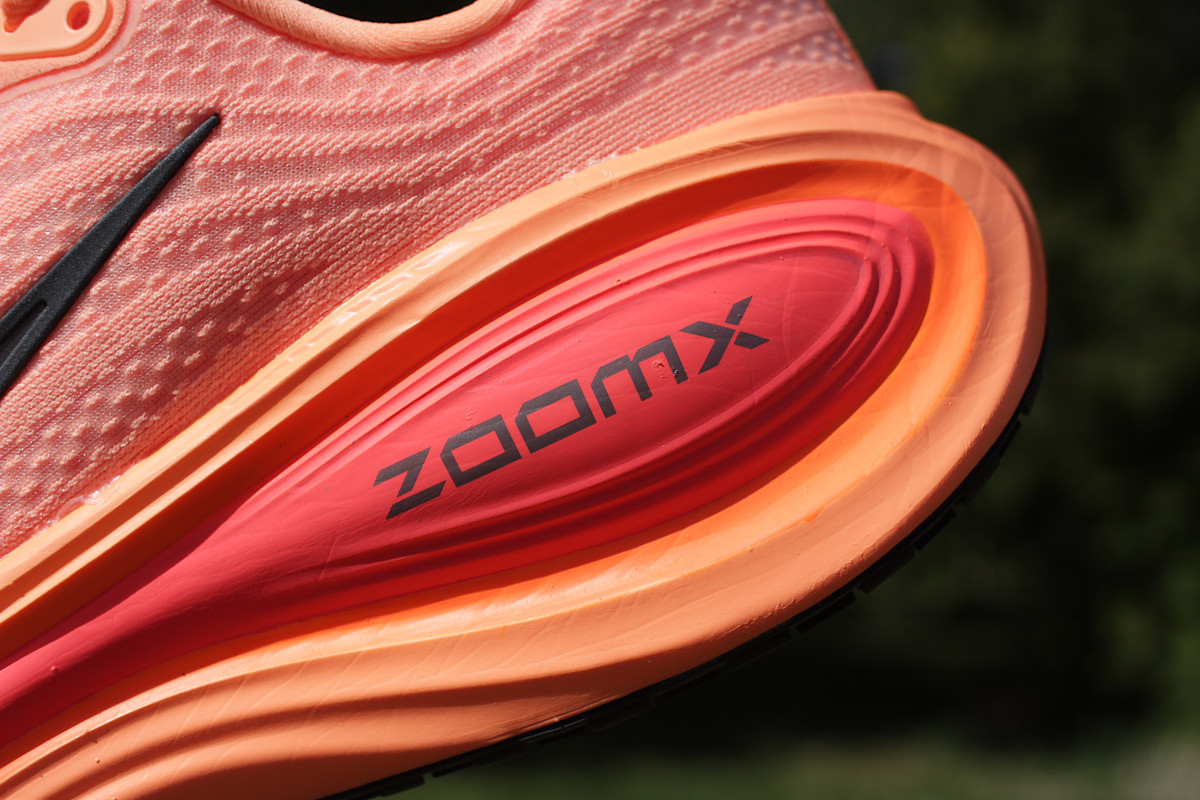
Finally, it’s important to remember that the amount of cushioning you need is an individual matter, as are many other factors besides the issues I’ve described. Some people prefer shoes with less cushioning, while others prefer much more. It takes years of running and several pairs of worn-out shoes to determine what works best for you. However, most runners, regardless of their weight or the distances they cover, opt for shoes with more cushioning. This is because such footwear makes them safer and more comfortable while running.