When you start, do you need to buy expensive running shoes right away? Or will beginner models suffice? Many people are tempted by cheap, simple shoes. That’s understandable. However, this is not always the best choice. This solution may work for light, physically fit people. For people with a higher body weight, the risk increases, especially at the beginning. Paradoxically, it is often beginners who need better support the most. What matters are stability, safety and effective cushioning.
Beginners Often Start Unprepared and Limited
A beginner runner is someone who has just started running. Their motivations vary. Health, sports or fashion, for example. At first, they usually lack knowledge about running training. Often, there is no need to delve deeper into this knowledge. There is still a belief that running is easy. Any shoes will do. Cheap ones are best. Just to see if you like running at all.
The problem is that everyone starts running. This includes both active people who are used to exercising and those who are getting up from behind their desks after years of sitting. Beginners are joined by overweight people. Sometimes they are very overweight. People who have suffered injuries also start running. This includes those who have never played sports before. Their muscles and tendons are weak. They are not ready for regular running. They often have poor technique and low mobility as well. They have not had the opportunity to develop these skills yet. Initially, many elements do not function properly.
Beginners Have Different Running Needs
Therefore, it is impossible to categorize all beginner runners the same way. It’s a different story if the beginner is not overweight, is athletic and has no mobility issues. In that case, even the cheapest running shoes will suffice at the very beginning. They will allow you to run for the first few months and decide if running is a sport you want to continue.
However, if the runner is overweight, has suffered injuries or has never played sports, the situation is different. Paradoxically, these individuals need a certain level of support, safety and cushioning from the beginning. This cannot always be found in the cheapest shoes. I’m not saying the more expensive, the better, because that’s not how it works. However, the cheapest running shoes are cheap because they use the simplest and cheapest solutions. These solutions may not suffice when chosen by an overweight runner with poor technique and a history of injuries.
Why New Runners Aren’t Always “Casual”
It’s important to note that there’s practically no such thing as recreational running. Compare this to recreational cycling or any other activity people do for fun. Recreation is when an activity is done for pleasure, relaxation and health. It is an activity without professional or competitive pressure. The idea is that if you have free time, you exercise for yourself. Just like with cycling, if you have time on the weekend, you go for a bike ride around the neighborhood. If you don’t have time, or if the weather is bad, the bike stays in the garage. If you treat running this way, simple and inexpensive running shoes will suffice in most cases.
Beginner runners often put pressure on themselves to achieve more – further, longer, faster – right from the start. As a result, they decide to run often – four, five or six times a week. This creates a training volume that goes far beyond recreation. A beginner runner could cover 50–60kilometers in a week, which would take 5-6hours of running alone. Even at a slow pace, this puts significant strain on the joints and body. Five or six training sessions per week is also a lot for ambitious amateurs who have been training for many years. Regardless of their level of advancement, their expectations for shoes should go beyond low price. It is worth investing in shoes with better features.
Beginner Shoes: Match Them to Your Needs
Therefore, running shoes for beginners should meet the needs of the runner and their running frequency. The simplest case is that of light people who are physically prepared for exercise and who run recreationally once or twice a week. For these runners, shoes with less cushioning, less advanced technology and a lower price point are suitable. You can find such models in this shoe guide.

Beginners who plan to run more often or who have a higher body weight should also have higher requirements for running shoes. In this case, the simplest and cheapest shoes will not suffice. They offer the least amount of safety, comfort and support. Therefore, to run safely and comfortably from the beginning, choose shoes with slightly better cushioning, even if they are slightly more expensive. The running shoes in this guide are a good option in such cases.
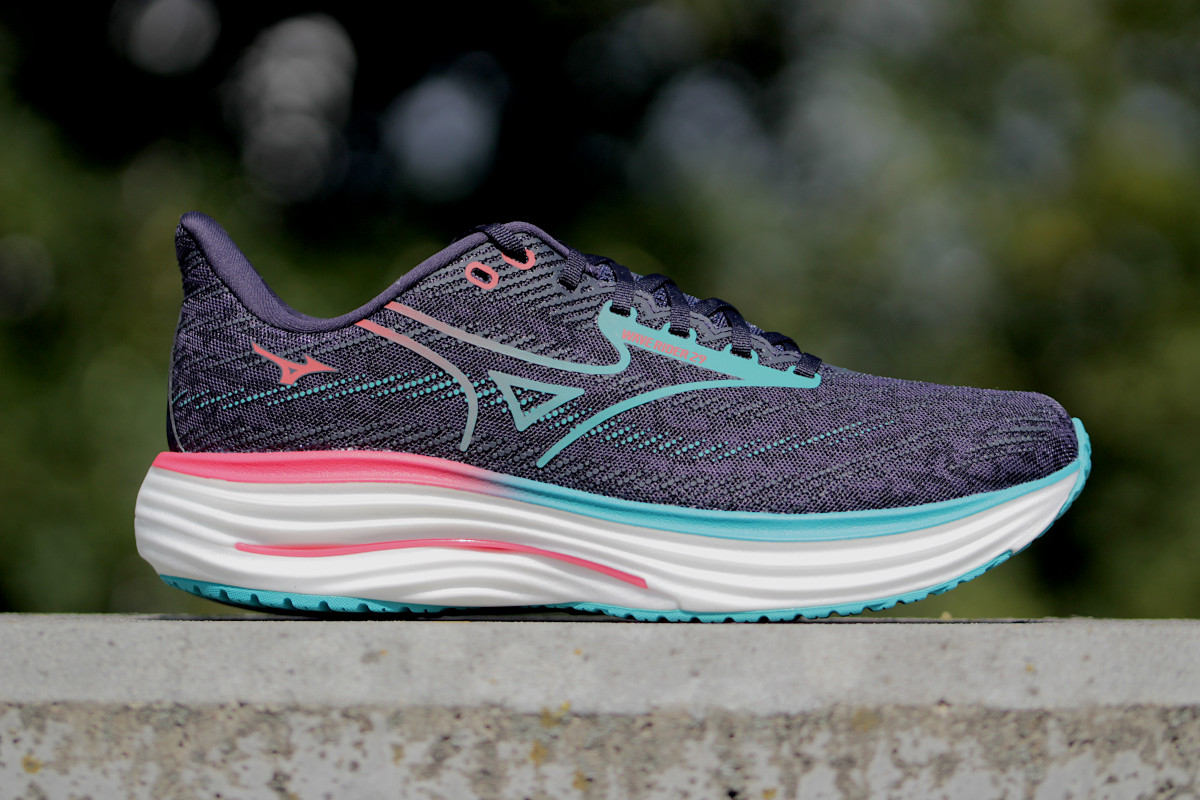
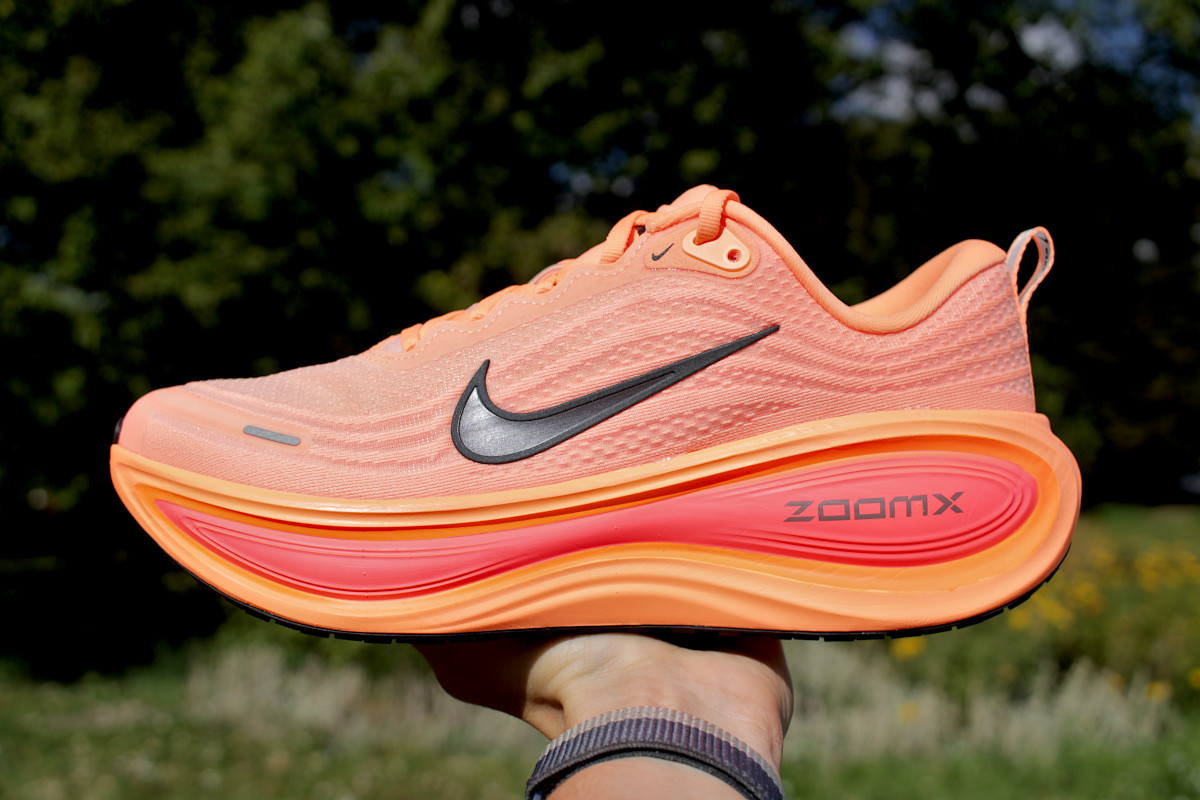
This is for beginners who are heavy, unfit and lack technique. It’s even worse when these runners start running at least four times a week right away. When starting your running journey, choose shoes that offer the highest level of cushioning, stability and safety. Choose shoes that relieve your body as much as possible so your running journey doesn’t end sooner than it began. However, the most cushioned shoes are usually the most expensive.
Final Thoughts
Podsumowując – nie ma butów dla początkujących biegaczy. Dodatkowo niska cena nie oznacza że mamy do czynienia z butem dla początkującego biegacza. Można na początek przygody w bieganiem, wybrać buty tańsze, ale początkujących obowiązują te same zasady jak bardziej zaawansowanych. Paradoksalnie, jeśli osobą początkującą jest osoba z nadwagą, nigdy nie uprawiała sportu to także na początek powinna wymagać od buta więcej niż tylko niskiej ceny. Kierowanie się w tym przypadku tylko i wyłącznie najniższą ceną nie będzie dobre. Trzeba pamiętać najtańszy but będzie oferował też najmniej. A źle dobrany but może skutecznie zniechęcić do biegania zarówno osobę początkującą jak i zaawansowaną.