The cold months don’t forgive mistakes. Puddles, mud, and wind will quickly put your gear to the test. In this article, we explore which shoes runners actually wear for training when the temperature drops. We’ll advise you on what to look for in the city and in the countryside. We also examine waterproof membranes. Are they armor against the rain, or are they more like a thermos for your feet? If you want to enjoy running in the winter, not just survive it, you’ve come to the right place.
Which Running Shoes Do Runners Choose for Fall and Winter?
First, most runners wear the same shoes year-round and don’t worry if they step in a puddle in the fall and get their shoes wet. The foot generates heat, and the upper is just thin mesh that lets water through. A minute after stepping in a puddle, the water drains out of the shoe, making it comfortable again.
If it’s cold, thicker socks are also a good idea! Most manufacturers offer special, warmer socks designed for running in low temperatures. These socks provide extra warmth and comfort on cold days. Remember that every runner has a different body temperature. Some will reach for thicker socks when the temperature drops below 10°C, while others will only do so at -10°C. Regardless, you can use socks to regulate the temperature in your running shoe.
What to Look for When Running in the City
If you run in the city, there is usually no need for waterproof models, as they can limit breathability. However, it is important that your running shoes have moderately aggressive outsoles with a deeper texture to provide better grip on slippery surfaces. Such outsoles can be found in many models designed for running on hard surfaces. Brooks models, such as the Adrenaline and Ghost, have long been among the best choices in this category, though other brands offer effective solutions for more challenging urban conditions.

This type of outsole should provide sufficient grip in urban winter conditions. It should perform well on dry, hard surfaces, as well as on snow and slush. However, remember to be more careful when running on slippery streets and sidewalks and to place your feet carefully. Even the deepest, grippiest outsole won’t do its job if you don’t adapt your running technique to the conditions.
In short, if you are looking for versatile, all-season city shoes, choose models with an aggressive outsole.
What to Look for When Running Trails in Winter
Unlike in the city, no one clears snow from the forest. Water from puddles has nowhere to drain, so the trails and roads can be challenging all year round. Forest trails and roads can be challenging year-round. In the fall and winter, even wide forest paths can turn into small obstacle courses. Therefore, if you run in these conditions year-round, it is worth investing in shoes designed specifically for trail running. These shoes are characterized primarily by an aggressive outsole with good traction and a durable upper. They can be used all year round. This applies to both winter and summer, unless they have a waterproof upper. There are many models to choose from, such as the iconic Salomon Speedcross, which are perfect for muddy trails in the summer and perform well in deep snow in the winter.
Running Shoes with a Membrane – Yes or No?
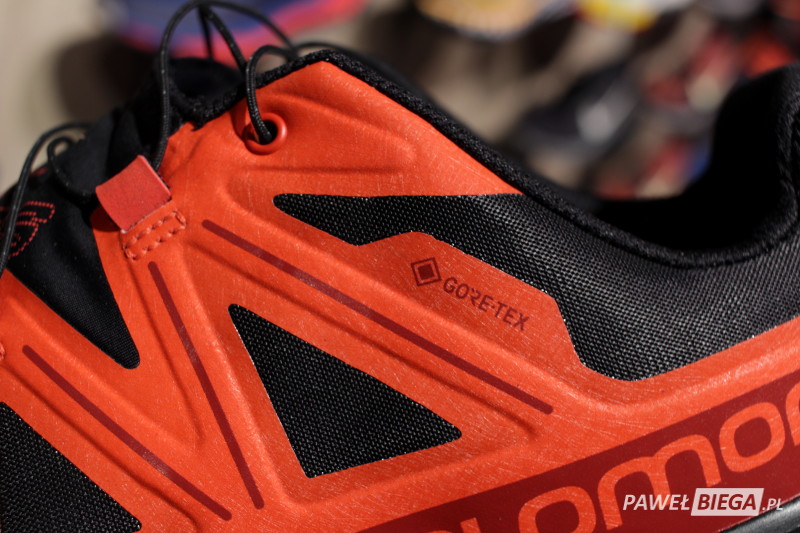
Often, winter running shoes are equated with waterproof shoes. These shoes have a waterproof membrane or similar material in the upper. This membrane, which can be made of materials such as GORE-TEX, prevents water from entering the shoe while allowing air to circulate outside. This is useful when running in slush, mud, slushy snow, or ankle-deep snow. With this type of footwear, your shoes won’t get completely soaked, and the only place water can enter is around the ankle. In other words, as long as water doesn’t pour into the shoe from above, the inside will remain relatively dry.

It’s important to remember the limitations of this solution. The membrane won’t let water through, but it also limits breathability inside the shoe. In the winter, this will not be a problem because it is cold enough that the reduced breathability will not be an issue. However, in the summer and early spring, when the outside temperature reaches 10 to 15 degrees Celsius, your feet will “boil” in your shoes. This can lead to chafing or blisters. Therefore, shoes with a membrane are only suitable for snowy or wet winters.
Final Thoughts
If you run in the city during the fall and winter, all-season shoes with a deeper outsole will suffice in most cases. You can control your body temperature by wearing thicker socks. However, if you want shoes designed specifically for winter running, remember that they are only suitable for cold and wet days. Their waterproof membrane and other characteristics will make them too warm and uncomfortable in the summer. These types of shoes are only suitable for fall and winter.