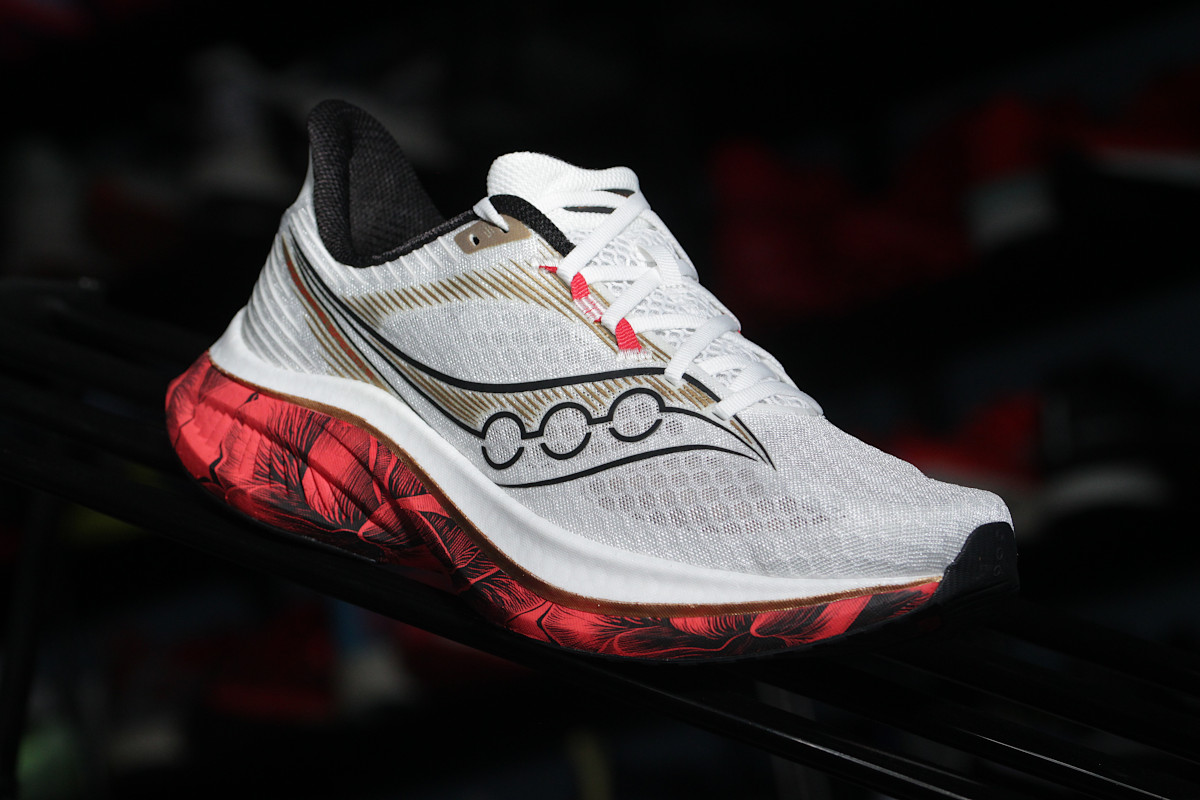
You’re looking for the perfect pair of running shoes. You try on several pairs and analyze every detail: the specs, appearance, and fit. You pay attention to how the upper part of the shoe fits your foot and choose a size with enough room. But then you forget to use them properly and take care of them. As a result, your perfect shoes may wear out faster than expected. Many of these issues can be avoided. So, what shortens the life of your running shoes?
1. Wear Them for Everything
Like any other type of specialized footwear, running shoes are designed for a specific purpose. In this case, that purpose is running on hard surfaces. With every step, we put two and a half to three times our body weight on them. This is why running shoes are distinguished from other types of footwear by adequate cushioning and stable foot support geared toward forward movement.
Of course, you can walk in running shoes. Walking is a similar type of movement to running, but with much less intensity and strain. Some people walk in new running shoes for a few days before running in them. Others use these shoes for both walking and running. Some people mainly walk in them.
The cushioning in running shoes “theoretically” lasts for about 1,000–1,500 kilometers of running. However, it’s important to note that the cushioning gradually deteriorates with walking as well. If you use your running shoes for walking and running, you may find that after 500–800 kilometers, they will be worn out and uncomfortable for running. To make your running shoes last longer, only run in them and use other shoes for everyday activities.
However, the quickest way to cause premature wear and destruction is to use them for activities other than running and walking. Cycling, soccer, and tennis are just a few activities that will destroy your running shoes. Each sport requires different characteristics and properties from a shoe; running shoes are designed for running. Therefore, it’s no coincidence that different sports require different types of footwear. It’s that simple!
2. Take Trail Shoes for a City Tour
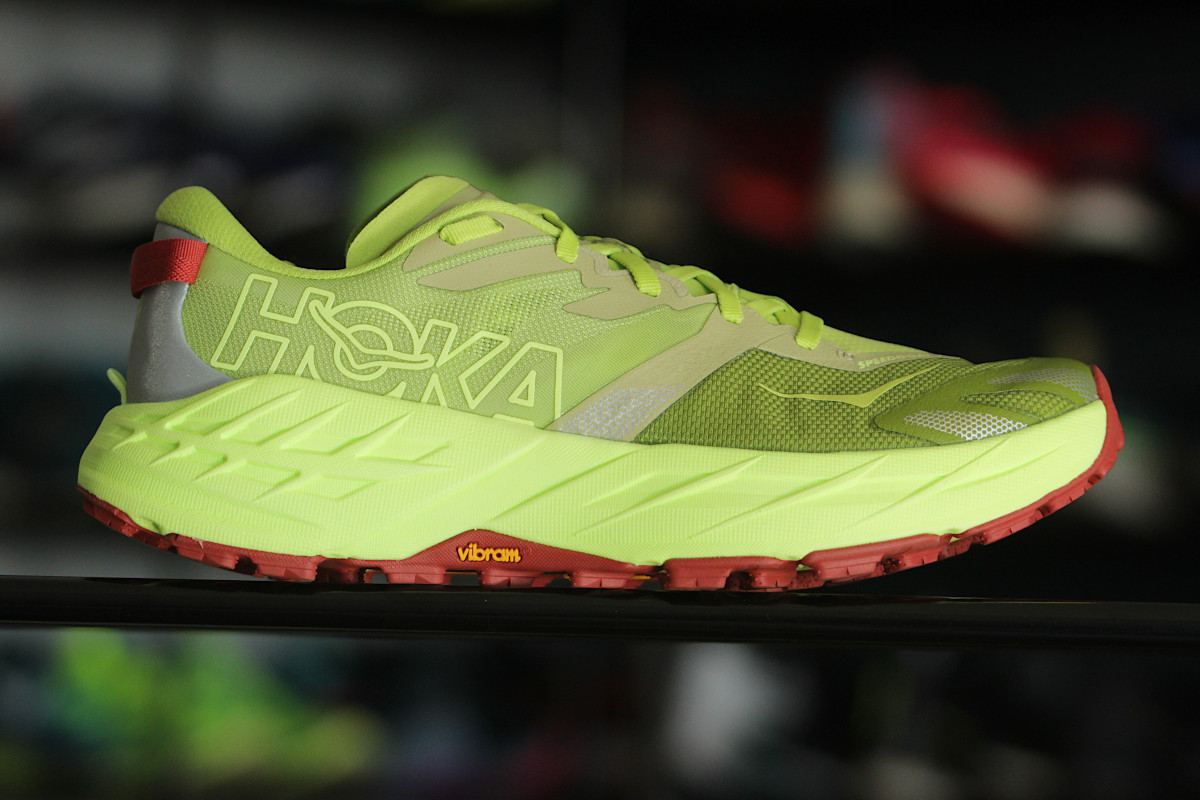
One of the main differences between trail and asphalt shoes is the outsole. The outsole of a trail shoe is more “aggressive.” This means it is sometimes made of softer rubber to provide better traction on wet surfaces. It also has a texture consisting of several-millimeter-long studs that allow it to “grab” the ground, roots, or stones. While this outsole provides good traction on difficult terrain, it wears out quickly on hard surfaces and is susceptible to abrasion.
This accelerated wear and tear is exactly what will happen to the outsole of trail shoes when training on asphalt city roads. Typically, the higher and softer the outsole, the faster it wears out. I have seen high-end trail shoes whose midsoles resembled Formula 1 tires after only two or three months of running on city roads.
Additionally, it is simply more comfortable to run in shoes designed for city roads, while trail shoes are better suited to off-road terrain. However, if you want to ruin your trail shoes… You know what to do!
3. Yank ‘Em Off Without Untying – Every Time
Another way to shorten the lifespan of your running shoes is to not untie them after a training session. Why? Because you might not want to bend down! After all, you can take your shoes off without untying them. Why waste energy doing that? It’s best to put them on the same way – just push your foot into the laced shoe.
One day, however, you realize that the heel counters are worn out, hurting your feet and causing painful abrasions. You make snide comments about the manufacturer, accusing them of producing poor-quality shoes made of low-grade materials. As a result, you have a pair of shoes with little wear and tear, whose cushioning is intact, but which are unsuitable for running. In fact, they may be useless for walking, too. Who is to blame? The manufacturer? The materials? Sometimes, but often it’s due to putting on and taking off shoes without unlacing them.
4. Throw Them in the Washing Machine
The general consensus is that running shoes should not be machine washed. Washing them in a machine can weaken the adhesive bonds and affect the quality and elasticity of the fabric. Specific types of materials may also shrink. The spinning action of the washing machine can damage delicate midsole foams, especially on the sides (not covered by the outsole).
The best way to clean dirty shoes is with a damp cloth or sponge. In case of heavy soiling, use only water, soap, a brush, and a cloth; avoid strong detergents. This is optimal because shoes are primarily intended for running, not for “looking good.” Some manufacturers even include a label or inscription on their shoe boxes or tags saying “do not machine wash.”
Washing shoes involves risk. However, not all shoes will be ruined after the first wash. Some models can withstand many washes without falling apart or losing their shape. Sometimes the first, second, or tenth wash does not adversely affect the shoes’ condition. However, after the eleventh wash, you may find that you have ruined your shoes. Congratulations!
5. Dry Them on a Radiator
Okay, so you shouldn’t wash your shoes in the washing machine. However, when they get really wet – because a true runner isn’t afraid of rain – you should dry them on a radiator or other heat source. Drying them too quickly can have the same effect as contact with hot water and detergent in a washing machine – the adhesive bonds can weaken, and the materials can become deformed. Of course, this doesn’t have to happen right away. It may happen after the second, third, tenth, or twentieth time. Drying your shoes is like washing them in a washing machine – a risk you take yourself!
To avoid this problem, simply unlace your shoes, remove the insoles, and leave them in a warm, dry place. Alternatively, you can put newspaper inside to absorb the initial moisture. Then, leave the shoes alone.
Final Thoughts
Avoiding these five mistakes will significantly impact the lifespan of your running shoes and how long they will serve you. As you can see, much depends on you and your decisions. You can make your running shoes last longer. You can also cause them to wear out.