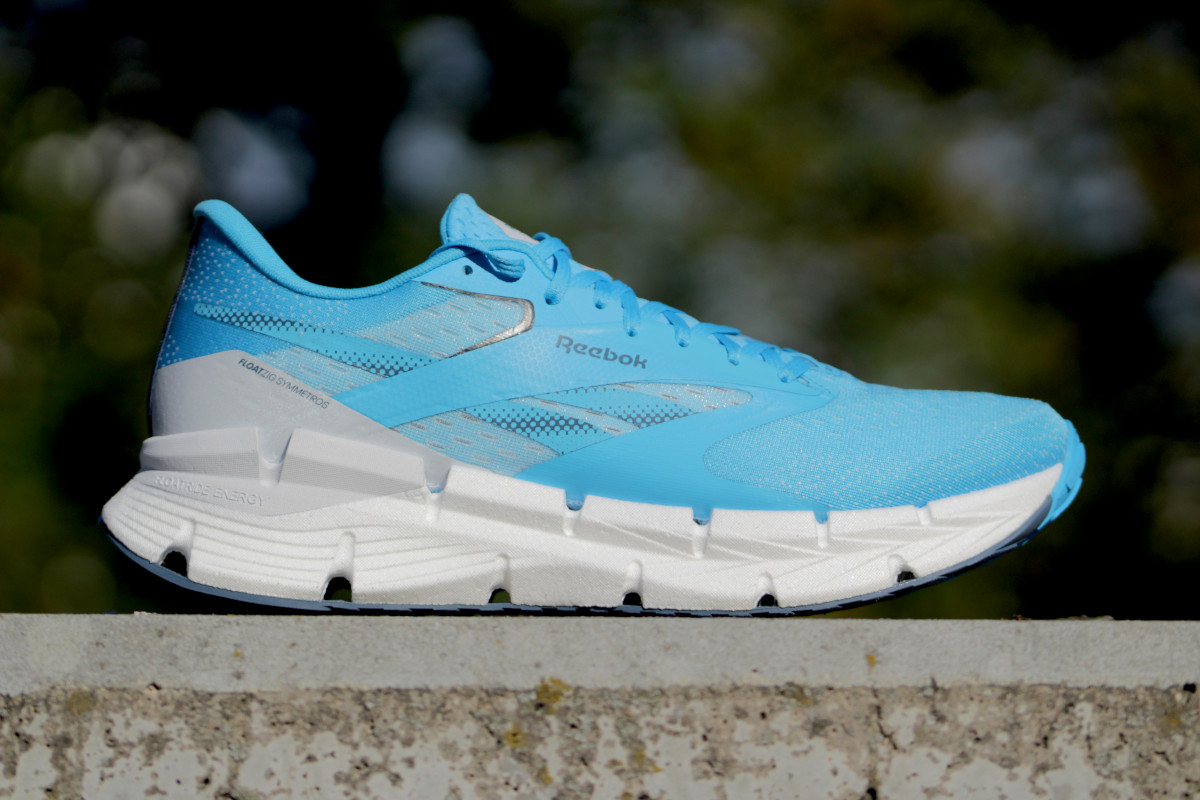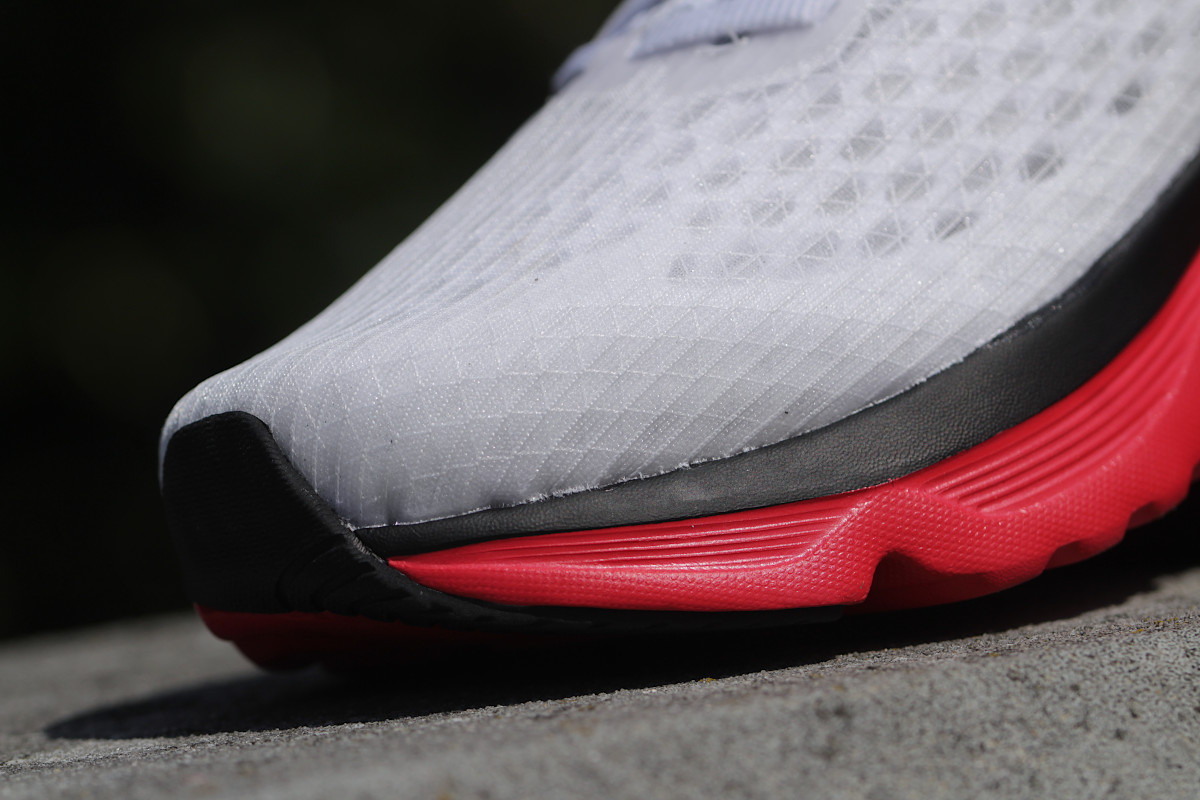
Speed training shoes are becoming increasingly popular among runners. They are designed to combine the durability of training shoes with the dynamic characteristics of racing shoes. Sounds perfect. But is that really the case? In this article, I examine the differences between shoes designed for fast training. I also show who these compromise models are suitable for and in what situations they work best.
Training Running Shoes – Characteristics and Key Parameters
Training shoes are generally designed for everyday running. This usually involves slow and easy running, though different runners have different definitions of “slow.” These shoes primarily focus on cushioning and safety. The goal is to make daily training as comfortable and safe as possible. Training shoes have a thick midsole filled with foam and other cushioning technologies. They also usually have a lot of stiffeners. They are designed to be stable and provide good support.
More cushioning and stability translates to greater durability and a lifespan of 1,000–1,500kilometers. However, this also means that the shoe is heavier. For most runners, regardless of their level, these are the basic running shoes.
In summary, training shoes are:
- safe and stable for slower runners and joggers
- heavier
- highly durable
Running Shoes for Racing – Built for Speed and Efficiency
On the other end of the spectrum are racing shoes. As their name suggests, these shoes are designed for competition. They are designed to maximize speed. They are characterized by their light weight and responsive midsole, which provides dynamic rebound during fast running. Sometimes, but not always, they also have a reduced drop, meaning there is a smaller difference in height between the heel and the toes. A lower drop promotes midfoot running, which contributes to increased speed. However, it’s important to note that buying racing shoes doesn’t guarantee a change in running style. You can have the fastest running shoe in the world, but if you are a slow runner, you will remain a slow runner.
The prospect of lightweight, responsive and dynamic shoes can be tempting. However, this also comes at a price. Racing shoes are designed for fast running and may not perform well when jogging. They are often much less stable than training shoes at slower speeds. Performance and responsiveness also come at the cost of a significantly shorter lifespan for this type of footwear. With training shoes, you can sometimes run up to 1,500kilometers before they lose their cushioning. In racing shoes it’s sometimes only 500kilometers.
In summary, racing shoes are primarily:
- the best dynamic performance
- lightweight
- low durability
- usually have low stability when running slowly.

Speed Training Running Shoes – Combining Durability and Speed
Training-competition shoes, as the name suggests, are a compromise between training and racing shoes. They are a compromise. They offer the safety and stability of training shoes. Even when running slower and engaging the heel more during landing, they provide a decent level of stability. Their heel construction is often similar to that of typical training shoes – the heel counter is stiff and high to keep the foot stable in the rear.
They are also highly durable, similar to classic training shoes. With typical training models, you can easily run 1,000–1,500km. Speed training shoes perform slightly worse in this respect. However, they still allow for solid mileage. In practice, it is usually around 800–1,000km.
A major advantage of speed training shoes is their responsiveness. These models won’t slow you down when you’re moving at a faster pace. They often help you maintain your rhythm and speed. Carbon plates are increasingly being used in their construction. These plates are often very similar to those used in the lightest racing shoes. The difference lies in the surroundings of the plate. In speed training shoes, the plate works with slightly heavier and less responsive foams. This makes the shoe more stable and predictable for everyday running.
Just as the training-and-competition shoe is a compromise between an easy training shoe and a super-fast racing shoe, the same applies to weight. Typical training shoes usually weigh between 260 and 320grams. Speed training models usually weigh between 230 and 280grams. Pure racing shoes can be even lighter.
In summary, speed training shoes offer:
- good dynamics
- decent stability regardless of running pace
- moderate weight
- moderate durability
Who Should Choose Speed Training Running Shoes?
Who are speed training shoes a good choice for? The first group includes less advanced runners who are beginning to train more intensely. As they increase their speed, they reach a point where they need lighter, more dynamic footwear to achieve better results. Speed training shoes are the first step in this direction. These shoes are more dynamic than training shoes but still safe.
The second group these shoes are aimed at are the fastest and most advanced runners. These runners can complete a marathon in under 2:59, a half marathon in under 1:25 and a 10K in under 40minutes. They also use the most advanced speed training shoes in competitions.
It’s hard to say exactly when someone is fast and trained enough to start using these types of shoes. It may look different for everyone. Everyone also has their own preferences. The limits can only be determined approximately. For a marathon, an approximate minimum is a time below 3:30; for a half marathon, below 1:40; and for a 10km race, below 45minutes. However, these limits may be different for everyone.

Final Thoughts
Your first pair of running shoes should always be training shoes. As you progress and achieve better results, you can transition to speed training shoes. Only at the end should you consider racing shoes. However, if you run for your own satisfaction and aren’t trying to achieve new personal bests or set records, training shoes are the best choice. Most runners choose this approach (and should choose it).