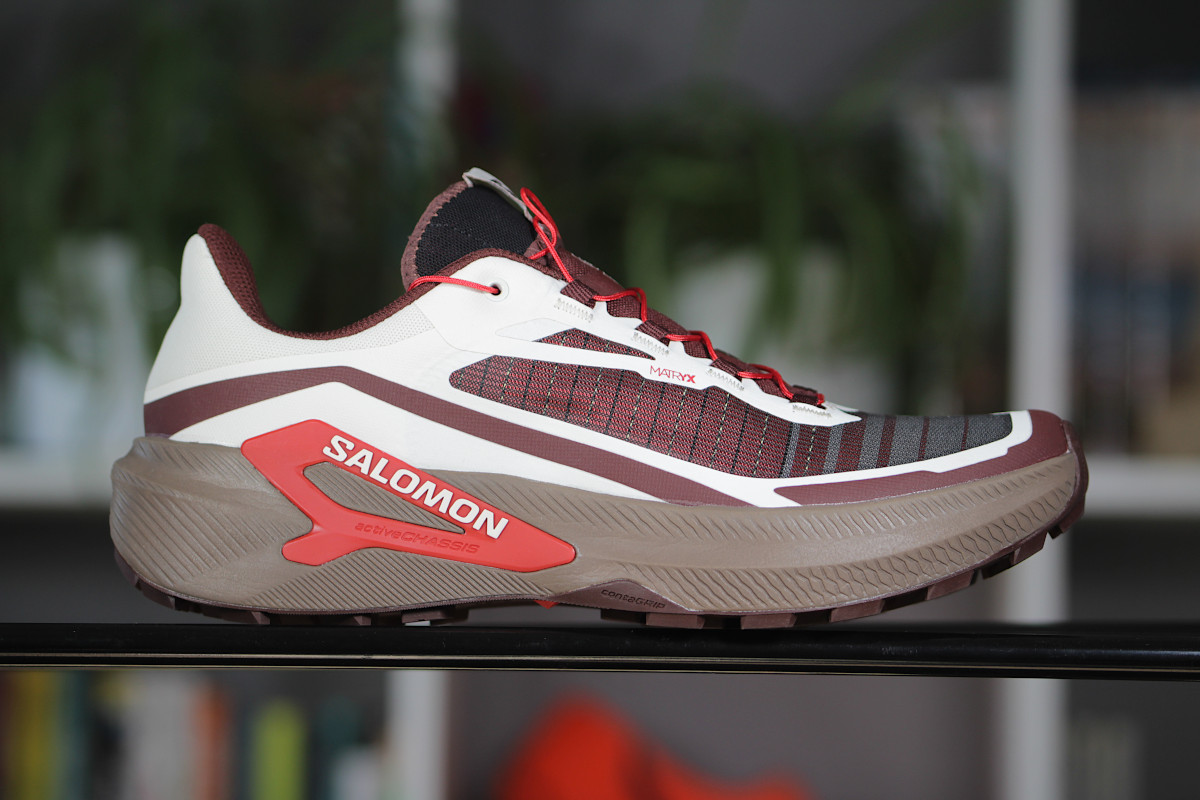
Lightweight running shoes are popular among runners, especially those looking for speed and agility. But are the lightest models always the best choice? In this article, we analyze the meaning of “lightness” in the context of running shoes, the elements that manufacturers sacrifice to reduce weight, and the potential consequences. Some compromises include less cushioning, a thinner upper, and reduced durability. Read on to find out when lightweight running shoes are a good choice and when a more balanced construction is better.
Weight Matters: A Look at Running Shoe Stats
According to data collected from a blog, the average weight of a size 12 US (46 EU) running shoe is 321 grams. That’s neither a lot nor a little. If you’re looking for a lighter shoe, check out speed training shoes, which weigh an average of 278 grams, or racing shoes, which weigh an average of 235 grams. But is the lowest possible weight the only thing that matters in running shoes? If so, then the lightest running shoes are track spikes. Even in my size, they weigh around 150–180 grams.
Ask yourself what you really care about. Is it the lowest possible weight of the shoe? Or the safety, comfort, and durability that come with a higher weight? You can’t have everything at once. By focusing solely on the weight of the shoe, you are giving up a few things.
Less Foam, Less Weight – But What About Cushioning?
In the era of carbon and high kick plates, cushioning is not as obvious, but it matters. With a given type of foam, producers can create shoes with varying levels of cushioning. The less foam, the lighter the shoe, but the less cushioning it has. The more foam, the softer and more comfortable the shoe, though also heavier. It’s a simple rule. Of course, different types of foam and cushioning materials have different weights, and manufacturers often use several types in one model, which complicates matters, but you can’t cheat physics. The lighter the shoe and the less foam it contains, the less cushioning it provides.
For this reason, the most comfortable, best-cushioned running shoes for hard surfaces are quite heavy compared to average running shoes. In my size, they weigh around 400 grams. Some would say that’s a lot and that they’re more like anvils than shoes. However, when compared to the average weight of a running shoe (321 grams), the heaviest, best-cushioned models are only about 80 grams heavier. In percentage terms, the heaviest running shoes are only 25% heavier than average.
Light Foam, Short Life? The Cushioning Dilemma
As I mentioned, different types of foam and cushioning materials have different weights. It is also worth noting that different foams and materials have varying degrees of durability. Often, the lightest materials are the least durable. An example of this is the Nike Vaporfly, an advanced marathon shoe. In size 9 US, this shoe weighs only 174 grams, making it one of the lightest running shoes available. Who wouldn’t want such a light shoe? However, this low weight comes from ultra-light foam that wears out quickly. Depending on the source, the shoe will last for several hundred kilometers (400–600). After that, the foam becomes so deformed that the shoe loses its specific properties.
In other words, these lightweight shoes have up to 50-60% less durability.
Light Uppers: Comfort vs. Durability
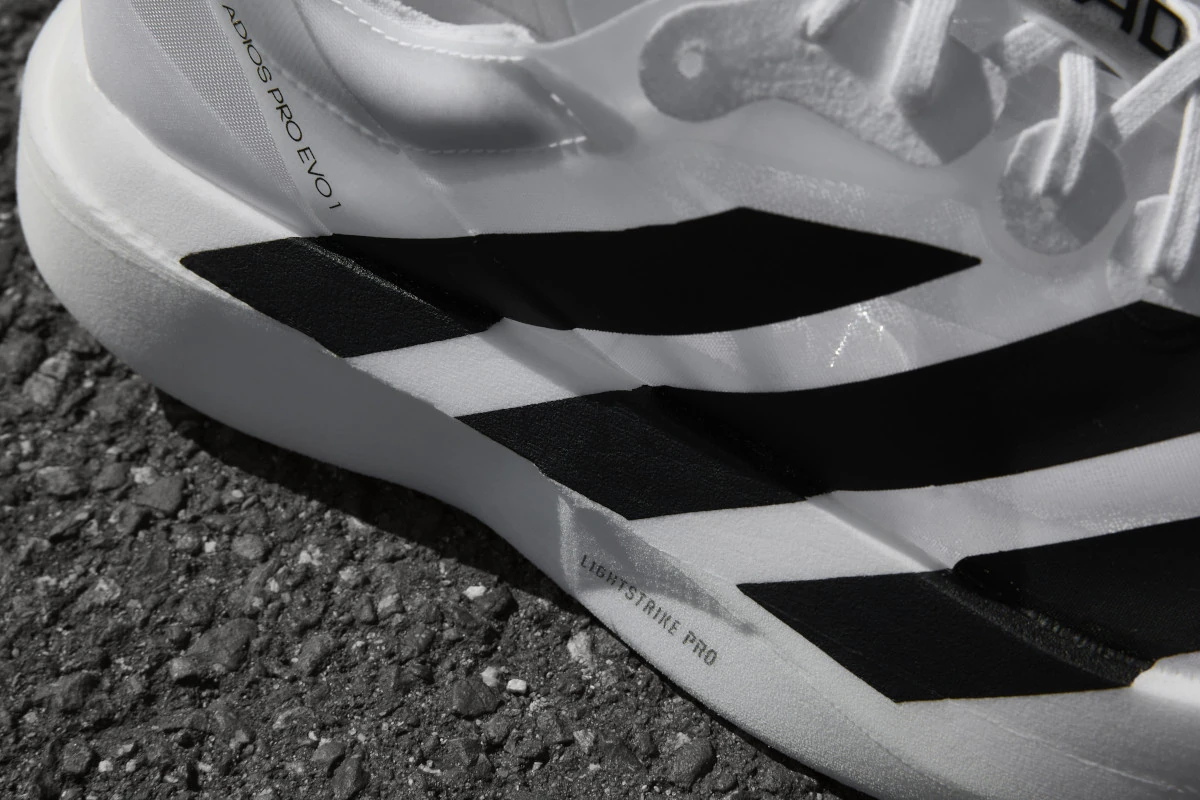
The lighter the shoe, the more cuts there are, not only in the midsole, but also in the upper. Racing and training shoes often have thin, breathable mesh panels that are lightweight. After all, you can save a few grams here, too. Eliminating heel counters, stabilizing elements, toe cap reinforcements, and lacing reinforcements effectively reduces the weight of the shoe. In general, the lighter the shoe, the less material there is in the upper.
Despite the constant slimming down of shoes and weight reduction, producers make every effort to ensure that the uppers remain as durable as possible. They use modern materials and reinforcement technologies to counteract rapid wear and tear. However, experience shows that even the best-designed, ultralight, and thin uppers rarely match the durability of thicker, more solid constructions found in training models. There are exceptions, of course – some lightweight materials can surprise with their durability – but the general rule is simple: the thinner and lighter the upper, the shorter the shoe’s potential lifespan.
In Summary: Lightweight or Durable?
It’s easy to fall into the trap of choosing the lightest shoes. It’s difficult, if not impossible, for a shoe to be ultra-lightweight, provide maximum cushioning, and be highly durable. In everyday use, the latter two features are definitely more important than lightness. There’s always a compromise. Of course, you can choose something slightly lighter, but you can’t base your decision solely on weight because that won’t lead to a good outcome. The lightest isn’t necessarily the best.