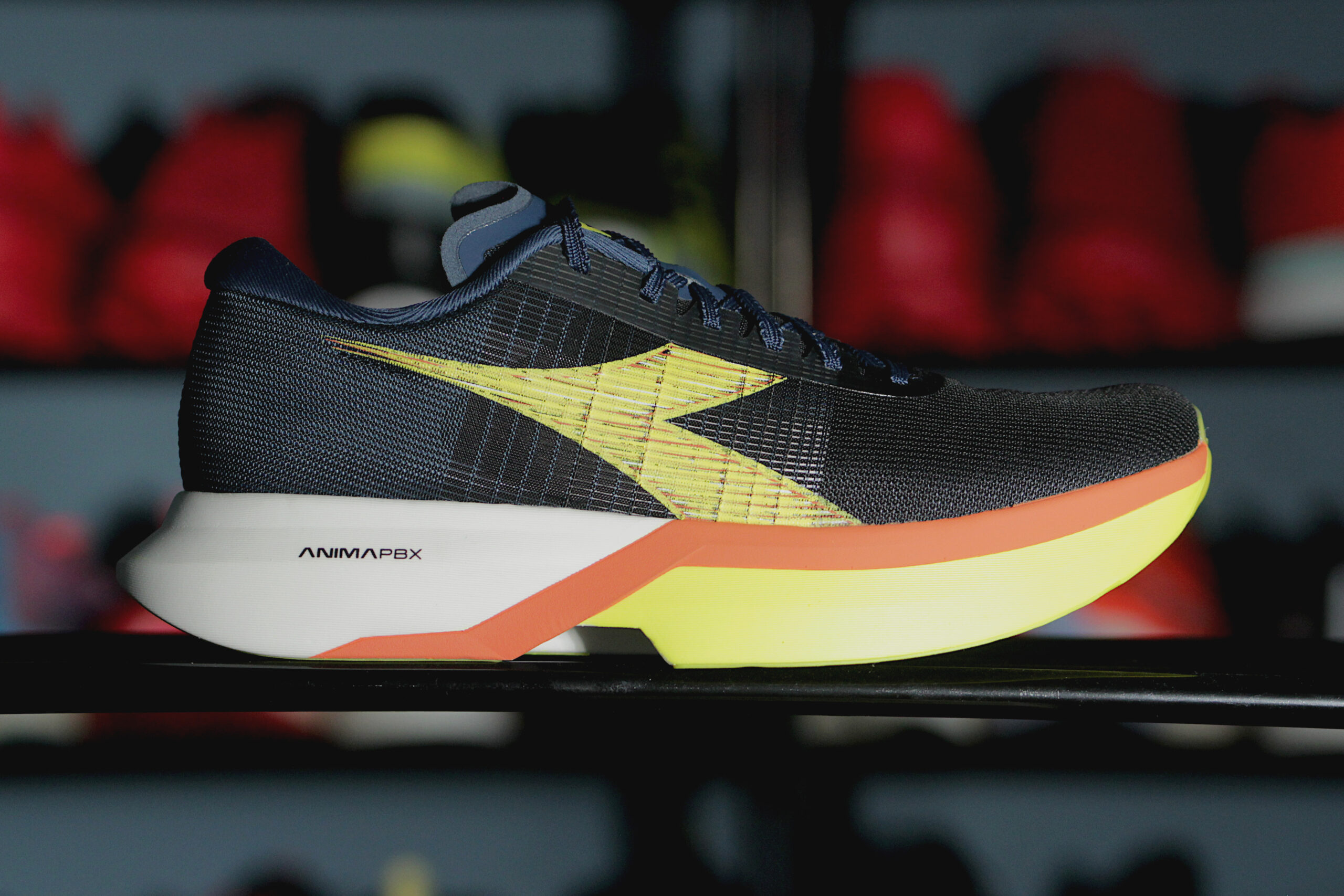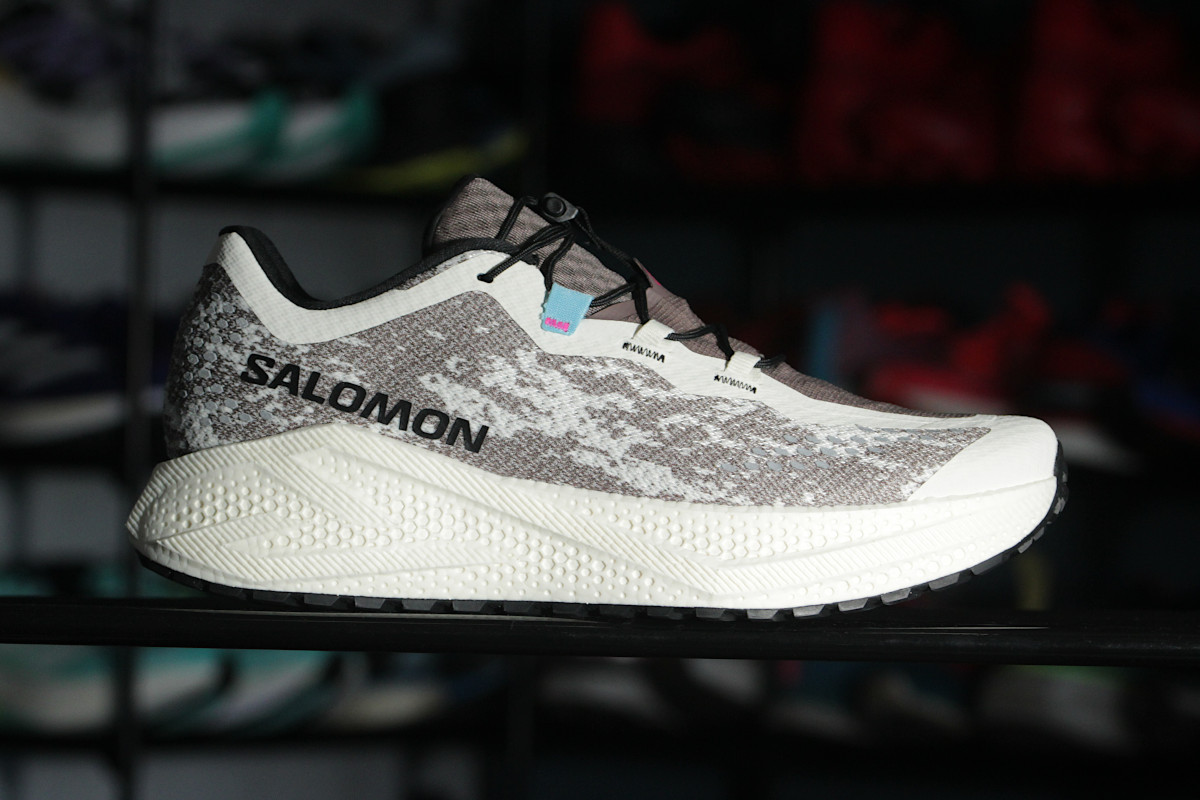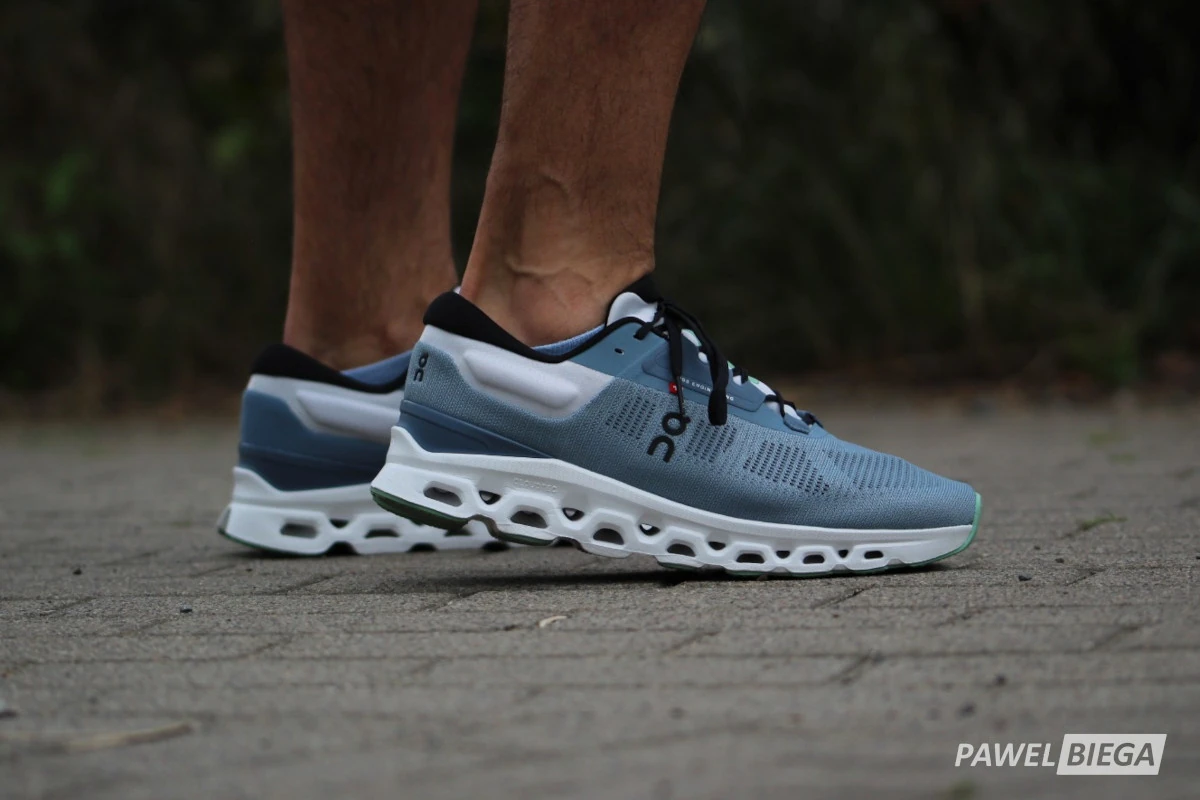
If you train in different conditions and perform various running workouts, it would be ideal to have several pairs of running shoes. One pair could be used for casual training and long runs, another for competitions, and a third for trail running. However, most runners use one or two pairs of running shoes in reality. So, how can you make the best choice when limited to one or two pairs?
If You Want Just One Pair of Running Shoes
It is crucial to buy training shoes designed for running on hard surfaces. In both brick-and-mortar stores and online, you will find them labeled simply as “training shoes.” These are the most cushioned, safest, and most common models, and they are widely available. These shoes are also the most versatile, making them suitable for many runners.
If you plan on these being your only running shoes, it is worth taking a look at the “chassis” of such a shoe and choosing one with a slightly more aggressive (not flat) outsole. This type of outsole provides better grip on difficult surfaces, making the shoe more versatile and suitable for different conditions. Whether you run on gravel, forest trails, or small muddy areas, shoes with an aggressive outsole will handle it perfectly. Additionally, these shoes are great for difficult conditions, such as running in the snow. This allows you to use them in both summer and winter.
Approach the choice of these shoes professionally, especially if they are your first pair. It is not recommended to choose based on a random phrase entered into a search engine or to purchase only because of the attractive appearance. What is aesthetically most attractive is rarely the most suitable in terms of functionality. This is particularly important when choosing your first pair of running shoes.
It’s also a good idea to have someone determine your foot type. Do you have supinated feet, which roll outward at the ankle? Or do you have pronated feet, which roll inward at the ankle? Or do you have neutral feet, which don’t roll? It’s also possible to have one neutral foot and one pronating foot. Such cases occur as well. That is why it is important to consult an expert at a specialty running store, who can help you determine your foot type. Choosing the right footwear is important because an excessively pronating foot, for example, requires shoes with adequate stabilization. In short, the type of foot you have determines which shoes are best for you.

Adding a Second Pair to Your Rotation
When choosing a second pair of running shoes, it is best to opt for trail shoes, which are suitable for various difficult surfaces. Trail shoes typically have an aggressive outsole that provides excellent traction. Additionally, the upper is typically more closed, providing greater protection for your feet from the elements. It’s also worth noting that trail shoes typically lack midsole stabilization, making them versatile for all foot types – supinated, pronated, or neutral.
This type of footwear is invaluable in winter when conditions are more difficult and in summer, especially for trail running. With these shoes, you can run freely off hard surfaces and safely navigate trails through forests, across streams, and even up mountains. Running on varied terrain effectively strengthens muscles, providing an added bonus to your training.

Your Third Pair: Specialization Begins
If you’re starting to run really fast, opt for sport training shoes, or even racing shoes. These shoes should be lighter than traditional training shoes. These shoes will also be “faster” and help you run faster. They often have a lower drop, meaning there is less of a difference in height between the heel and the toes. However, these shoes usually have less stability and durability. You will definitely feel an increase in speed when running in them.
These types of shoes are indispensable during competitions where every second counts. They are also perfect for fast training sessions and intervals when you’re trying to improve your speed. However, for everyday use, especially long, slow runs, it is recommended that you use training shoes. Those are the ones we wrote about at the beginning.

The Fourth Pair? Welcome to the Shoe Addicts Club
By the time you reach this point, you will usually already know what type of shoes you need. Most often, it will be another pair of training shoes, which are the most commonly used. Such shoes reach the end of their life after 1,000-1,500 kilometers of use. If you run frequently on hard surfaces, it is also advisable to have a second pair of shoes for the same purpose and alternate wearing them. Contrary to what you might think, your foot positions and works slightly differently in each shoe. It is good to change these stimuli. You can also choose training shoes with different levels of cushioning. One pair will have better cushioning. The other will have less. The choice is yours, and there are many options available.
And what’s next? Typically, you either replace a worn-out model or buy another one for rotation so that you can run in at least three pairs of training shoes instead of two. The same applies to trail and racing shoes. The only limits are your imagination and your budget.
However, most amateur runners only need one pair of basic training shoes, which are the most versatile choice.