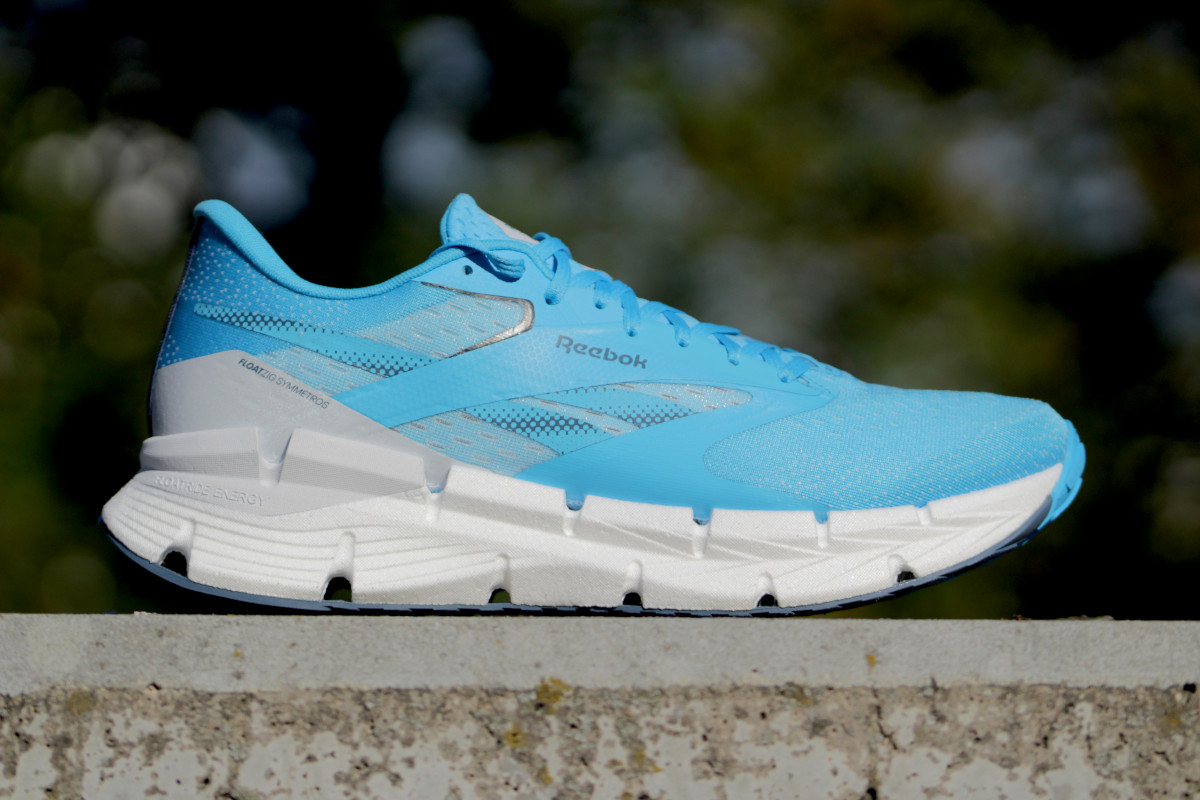
As the name suggests, running shoes were designed for running. But they are so comfortable that they’re tempting. They are among the most comfortable sports shoes, if not the most comfortable. It’s no wonder many people want to use them for other activities as well. Can you wear them every day, work out at the gym, or ride a bike? Sometimes, yes; sometimes, no. It depends on the type of activity you plan to do.
Can You Walk in Running Shoes?
Yes, as the name suggests, running shoes are designed for running. However, walking involves the same movement mechanisms, such as rolling the foot from heel to toe, although it is less intense. The cushioning in running shoes provides important comfort. This is why running shoes are also ideal for walking.
If you walk a lot, well-cushioned running shoes are the best choice of all types of footwear. They ensure comfort, reduce fatigue, and lower the risk of injury. However, it’s important to note that intensive use for walking can accelerate wear and tear, which may affect their running properties. Nevertheless, running shoes are an excellent option for people who spend a lot of time on their feet.
Are Running Shoes Suitable for Training?
It depends on what you mean by “training.” If you mean general fitness training, running, or running-specific training, then yes, running shoes will suffice. You can run and perform various exercises in them. If you occasionally use them at the gym, that’s fine too.
However, if you mean regular gym training, CrossFit, calisthenics, or free weight training by “exercise,” running shoes are not the best choice. The cushioning that makes them comfortable for running and general exercise can hinder stability during strength training. During strength training, cushioning is unnecessary and can hinder performance. Training shoes designed specifically for this type of activity are a better choice at the gym, especially when working with free weights.
Can You Ride a Bike in Running Shoes?
It is best to avoid riding a bike in running shoes because you risk causing mechanical damage through contact with the bike. However, as with any form of exercise, it depends on the intensity and purpose of the ride. For a casual weekend ride in the countryside or a leisurely neighborhood tour, running shoes (preferably broken in) will suffice. I personally prefer lighter, less cushioned models for cycling because I feel more comfortable in them, but there are dozens of pairs of shoes to choose from.
However, the longer the routes, the higher the speeds, and the more regularly you ride, the sooner you will find that running shoes are uncomfortable for cycling. You will increasingly feel the need for specialized cycling shoes. As your riding becomes more intense, you may even consider “clip-in” shoes, i.e., SPDs. As with running shoes, there are many options.
Are Running Shoes Good for Mountain Trails?
Once again, I have to start with “it depends” because it depends on the type of walking. For occasional trips to the mountains or simpler trails, trail running shoes should suffice. They provide good traction and are lighter and more breathable than most hiking boots.
However, if you plan to walk on more difficult, technically demanding trails, typical trekking shoes will definitely be a better choice. Why? Trekking shoes have a more durable upper that is often waterproof, provide better ankle support, and are generally more resistant to the challenges you may encounter in the mountains. In comparison, mountain running shoes have a very delicate construction and may not provide the expected level of safety for your feet in difficult conditions. For regular hiking on challenging trails, it’s best to invest in sturdy trekking shoes that provide greater comfort, safety, and durability.
Footwork Matters: Why Sport-Specific Shoes Exist
Running shoes are designed to move “forward” because running involves moving forward. Sports such as tennis and soccer place completely different demands on shoes. These shoes must withstand high lateral stress and frequent sideways movement. Running shoes are not designed for these types of loads. Additionally, the soft cushioning that makes running on asphalt, fields, and courts comfortable can cause foot stability problems and sprains.
Therefore, if you plan to play tennis, soccer, or other sports, invest in shoes designed for the activity that will provide the necessary support and durability.
Final Thoughts
As the name suggests, running shoes are best suited for running and walking, as these are very similar forms of movement. For other activities, the answer is usually “it depends.” Occasionally, the answer is yes. For regular use, the answer is usually no because each discipline and activity has its own dedicated footwear.
What about you? What else can you use your running shoes for?